
Search

Leave a Message

By providing your contact information to Falcone Real, your personal information will be processed in accordance with Falcone Real's Privacy Policy. By checking the box(es) below, you consent to receive communications regarding your real estate inquiries and related marketing and promotional updates in the manner selected by you. For SMS text messages, message frequency varies. Message and data rates may apply. You may opt out of receiving further communications from Falcone Real at any time. To opt out of receiving SMS text messages, reply STOP to unsubscribe.

Thank you for your message. I will be in touch with you shortly.

Browse Properties
Townhome Or Single-Family? Finding The Right Fairfax Home

Townhome Or Single-Family? Finding The Right Fairfax Home

Staring at Fairfax listings and stuck between a townhome and a single-family house? You are not alone. Many buyers in and around the City of Fairfax face the same trade-off: space and privacy versus price and maintenance. In this guide, you will learn how each option stacks up on cost, upkeep, outdoor space, commute, and long-term value so you can move forward with clarity. Let’s dive in.

Fairfax market at a glance

Fairfax sits in a higher-cost part of the Washington region with strong demand and micro-markets that vary by neighborhood. As of January 2026, the City of Fairfax’s median sale price across all home types was about $720,000. Countywide reporting shows a larger split by property type: in November 2025, the average sales price for single-family detached homes was about $1,138,036, while attached homes averaged about $585,345, highlighting a significant affordability gap between product types (local county segment report).

Inside the City of Fairfax, assessments help set expectations. Recent city averages show detached homes assessed around $798,000, townhomes around $729,000, and attached units around $666,000 (City of Fairfax assessments). These figures reflect a smaller, tighter city submarket compared to the broader county.

Cost comparison: what you will pay each month

Purchase price and property taxes

Detached homes usually cost more to buy than townhomes in Fairfax. Property taxes are calculated using your home’s assessed value and the local tax rate. Fairfax County’s base real estate tax rate is about $1.1225 per $100 of assessed value (Fairfax County Tax Administration). Example: on a $700,000 assessment in the county, annual taxes are roughly $7,857.50 ($700,000 ÷ 100 × 1.1225). The City of Fairfax sets its own rate, so always verify the locality before you buy.

HOA dues and what they cover

Townhomes are far more likely to have a homeowners association. Monthly HOA dues in the Fairfax area commonly range from about $75 to several hundred dollars depending on amenities like pools, private roads, landscaping, and snow removal. Factor these dues into your monthly budget and request the HOA’s most recent budget, reserve study, and meeting minutes during due diligence to check for adequate reserves and any history of special assessments.

Insurance: HO-3 vs HO-6

Coverage differs by property type. Detached owners typically carry an HO-3 policy that insures the full structure, other structures, contents, liability, and loss of use. Townhome and condo owners often carry an HO-6 policy for interior finishes, contents, and liability while the association’s master policy covers common areas and parts of the building envelope. Always confirm what the HOA’s master policy covers and the association’s deductible before binding coverage (policy types overview).

Maintenance and capital reserves

Every home needs ongoing maintenance and periodic system replacements. Industry research shows homeowners spend thousands per year on repairs and improvements, and spending has trended upward as housing ages. A simple planning rule is to budget about 1 to 2 percent of the purchase price per year for maintenance and reserves, with detached homes often on the higher end due to exterior systems like roofs, siding, driveways, yards, and fences (Harvard JCHS 2025).

Real-world monthly cost example

Here is a simple illustration that compares typical non-mortgage costs using Fairfax County’s tax rate. This is not a quote, but a starting point for planning.

  • Detached single-family at $1,138,000 (county average example):

    • Annual taxes: about $12,774
    • Maintenance reserve (1.5%): about $17,070 per year
    • HOA: often none for detached, though some neighborhoods have modest dues
    • Monthly total, excluding mortgage and insurance: about $2,488
  • Townhome at $700,000:

    • Annual taxes: about $7,857
    • Maintenance reserve (1.5%): about $10,500 per year
    • HOA: assume $150 per month
    • Monthly total, excluding mortgage and insurance: about $1,680

Your numbers will vary based on the exact price, locality tax rate, HOA, and condition of the property.

Townhome vs single-family: lifestyle trade-offs

Space and privacy

  • Single-family: More interior square footage, a private yard, larger garages, and greater separation from neighbors. You can usually take on exterior projects like decks or additions, subject to local rules.
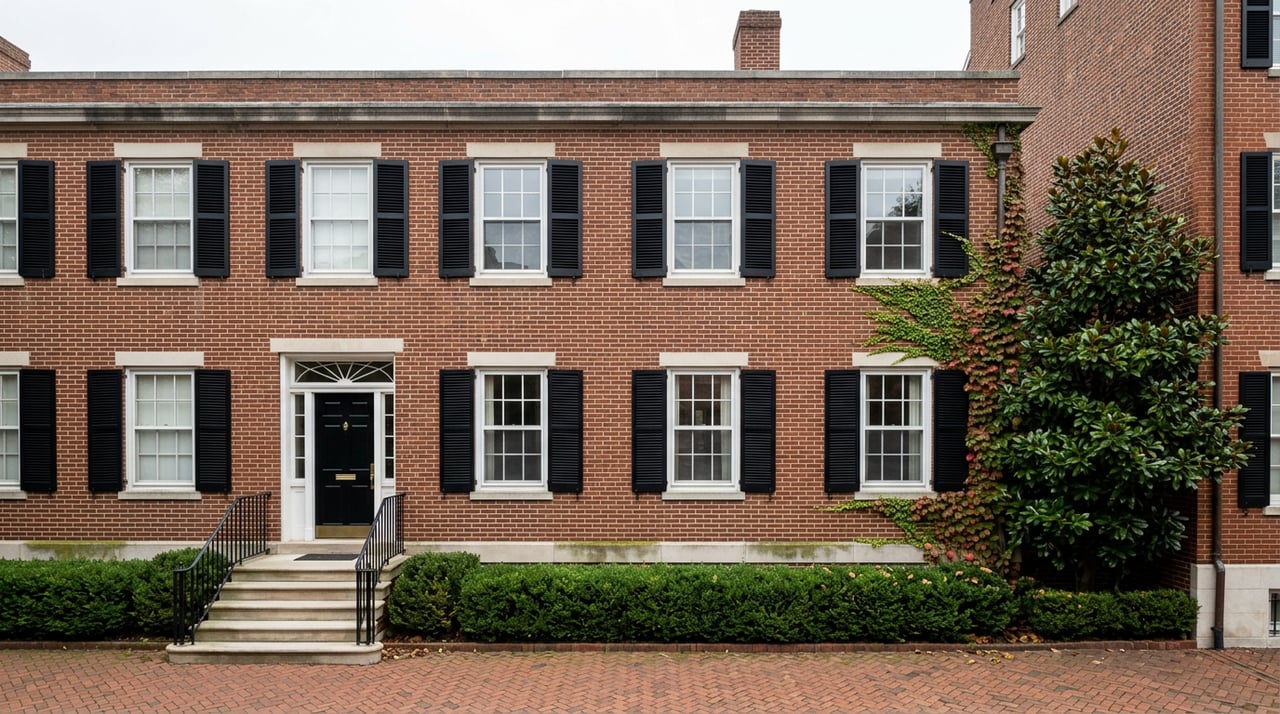
  • Townhome: Smaller private outdoor space and shared walls, but easier to lock and leave. Exterior upkeep may shift to the HOA, freeing your weekends.

Upfront cost vs recurring cost

Townhomes often lower the initial purchase price and may allow you to live closer to retail or transit. They do, however, add monthly HOA dues. Detached homes usually require a higher upfront budget and carry higher taxes and maintenance, but you get more space and land.

Flexibility and renovations

If you want full control of the parcel and the ability to add larger projects, single-family homes offer more flexibility. Townhomes follow HOA covenants, which can limit exterior changes. Many buyers also value HOA standards that keep the neighborhood consistent.

Resale dynamics

Demand swings between segments as interest rates, inventory, and buyer preferences change. Recent reporting shows a sizable gap between detached and attached prices in Fairfax County, which can affect entry point, appreciation patterns, and days on market (county segment trends). Your best move is to buy what fits your long-term needs and budget, then focus on condition, location, and livability.

Where each home type shows up in Fairfax

  • Old Town / City of Fairfax: Compact lots with a mix of single-family, townhomes, and condos near Main Street and George Mason University. Fits you if you want walkability and smaller outdoor spaces.
  • Burke / Burke Centre: Planned communities mixing single-family and townhomes. The Burke Centre VRE station supports rail commuting, so you see many townhome clusters near transit (VRE station reference). Fits you if you want community amenities and optional rail access.
  • Fairfax Station & Clifton: Wooded, suburban, and predominantly detached on larger lots. Fits you if you prioritize privacy and land.
  • Fair Lakes / Fair Oaks / Chantilly (I-66 corridor): Numerous townhome subdivisions near office and retail nodes. Fits you if you want newer attached options and car-friendly convenience around shopping destinations.
  • Vienna / Dunn Loring / Merrifield: More single-family overall with pockets of townhomes, plus access to the Orange Line at Vienna and Dunn Loring. Townhomes near Metro can command a premium for proximity to transit (Metro station context). Fits you if you commute by rail and want a shorter trip.
  • Lorton / Laurel Hill: Newer infill and townhome-heavy areas in southern Fairfax County. Fits you if you want newer attached homes with access to regional routes.

Commuting and daily life

Fairfax County’s mean travel time to work is about 29 minutes (Census QuickFacts). Many residents drive, but proximity to transit can reshape your day. If you rely on Metrorail, consider areas near Vienna or Dunn Loring. If VRE works for you, look at Burke Centre, Rolling Road, Lorton, or Franconia/Springfield (VRE station reference). If space matters more than minutes, explore single-family homes in Fairfax Station, Oakton, or parts of Burke.

Long-term value: what holds up

Over time, local appreciation varies by segment and by neighborhood conditions. Data in late 2025 showed detached prices well above attached prices, yet attached homes also saw gains in certain months (county segment trends). Durable drivers include proximity to employment centers, zoning changes, and school boundaries. If school assignment matters to you, use Fairfax County Public Schools’ tools to review boundaries and profiles in a neutral, factual way (About FCPS).

Quick buyer checklist

Use this list to compare a Fairfax townhome and a single-family home side by side.

  • Total monthly cost: Estimate mortgage plus taxes, HOA, and a maintenance reserve. For taxes, use the formula assessed value ÷ 100 × tax rate (Fairfax County tax rates).
  • HOA responsibilities: Confirm who handles roofs, siding, roads, and landscaping. Request the HOA budget, reserve study, meeting minutes, and any recent special assessments.
  • Insurance: Ask for the HOA master policy summary and confirm what is covered “walls out” versus “walls in.” Price an HO-3 for detached or an HO-6 for a townhome/condo with a local agent (policy overview).
  • Commute reality: Map your daily route and test it. Consider proximity to Metrorail or VRE if you rely on transit (VRE station reference).
  • School assignment: If relevant to your search, confirm boundary details with FCPS tools and review school profiles factually (About FCPS).

Ready to choose your Fairfax fit?

Whether you lean toward a lower-maintenance townhome near transit or a detached home with room to grow, the right choice balances your budget, commute, and daily life. If you want a clear plan, local data, and professional presentation when it is time to sell, connect with a trusted advisor who pairs boutique care with proven systems. Reach out to Falcone Real to compare options, run the numbers, and move confidently.

FAQs

What is the price gap between townhomes and single-family homes in Fairfax County?

  • Recent reporting showed average detached homes around $1,138,036 and attached homes around $585,345 in November 2025, underscoring a sizable gap (county segment report).

How are property taxes calculated for Fairfax homes?

  • Multiply the assessed value by the local rate using the formula assessed value ÷ 100 × tax rate; Fairfax County’s base rate is about $1.1225 per $100 of assessed value (tax rates).

How much should I budget for home maintenance in Fairfax?

  • A common starting point is 1 to 2 percent of the home’s price per year for ongoing maintenance and reserves, with detached homes often higher due to exterior systems (Harvard JCHS 2025).

Which is better for commuting in Fairfax: a townhome or a single-family home?

  • Either can work; focus on proximity to Metrorail or VRE if you rely on transit, since locations near Vienna, Dunn Loring, or Burke Centre can reduce drive time to stations (transit references).

How do HOA rules affect insurance for a Fairfax townhome?

  • Townhome owners often carry HO-6 coverage for interiors while the association’s master policy covers common areas; confirm the master policy details and deductibles before binding coverage (policy overview).
Living & Working in McLean, VA: Pros & Cons (Local Guide)
Michael Falcone headshot placeholder
By Michael Falcone • Updated Aug 18, 2025
HomeGuidesMcLean, VA
Local Guide

Living & Working in McLean, VA: The Real Pros & Cons

Reading time: 8–10 mins Region: McLean, Tysons, Great Falls corridor
Tree‑lined street and elegant homes in McLean, VA (placeholder)

McLean blends quiet, tree‑canopied neighborhoods with fast access to Tysons, DC, and the George Washington Parkway. It’s where privacy and proximity meet—if you know which streets to target.

Pros (Why people choose McLean)

  • Proximity without the city noise. Minutes to Tysons, 15–25 minutes to DC in off‑peak via GW Parkway; quick access to I‑495, Route 123, and Route 7.
  • Top‑tier public schools. Many neighborhoods feed into highly rated FCPS pyramids; competitive private options nearby.
  • Lot size & privacy. Mature trees, larger lots than Arlington or Alexandria; pockets with estate‑style settings.
  • Safety & prestige. Quiet streets, well‑kept homes, and a refined, low‑key feel.
  • Outdoor access. Great Falls Park, Scott’s Run, and Langley Oaks trails are weekend staples.
  • Dining & retail upgrades. Tysons Corner Center, Tysons Galleria, and a growing fine‑dining scene within a 10‑minute radius.

Cons (The trade‑offs)

  • Peak‑hour traffic. GW Parkway, Chain Bridge, Route 123, and Route 7 bottlenecks can add significant time.
  • Price point. Premium land values; new builds and renovated homes command high multiples.
  • Walkability varies. Some pockets are car‑dependent; sidewalks aren’t universal on interior streets.
  • Older housing stock in core McLean. Many 1960s–1980s homes need updates; tear‑down activity is common.
  • Metro access is nearby—but not everywhere. Silver Line stations sit mainly in Tysons; plan for a short drive or bike unless you’re very close to the McLean station area.
Local note: If your commute depends on Chain Bridge or the GW Parkway, your exact street matters. Two similar addresses can mean a 10‑ to 20‑minute difference during peak.

Neighborhood snapshots (insider quick‑takes)
Langley area streetscape (placeholder)

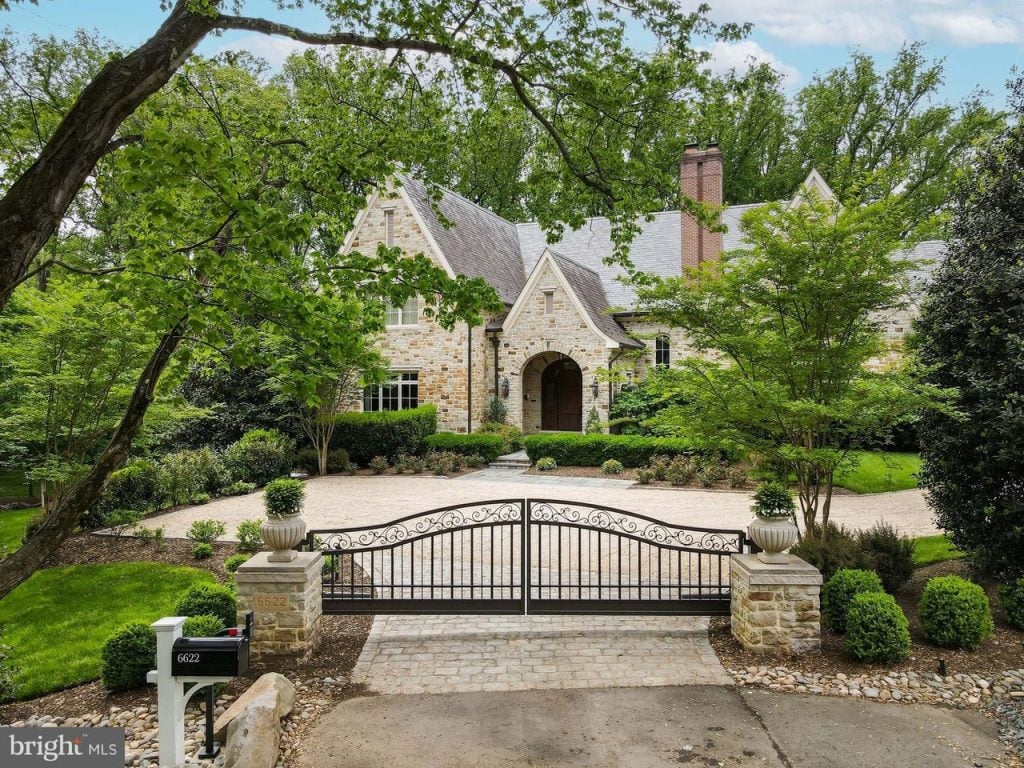
Langley / Chain Bridge Road Estate lots

Leafy, quiet, and close to GW Parkway. Popular for privacy, proximity to DC, and access to scenic trails.
West McLean sidewalk scene (placeholder)

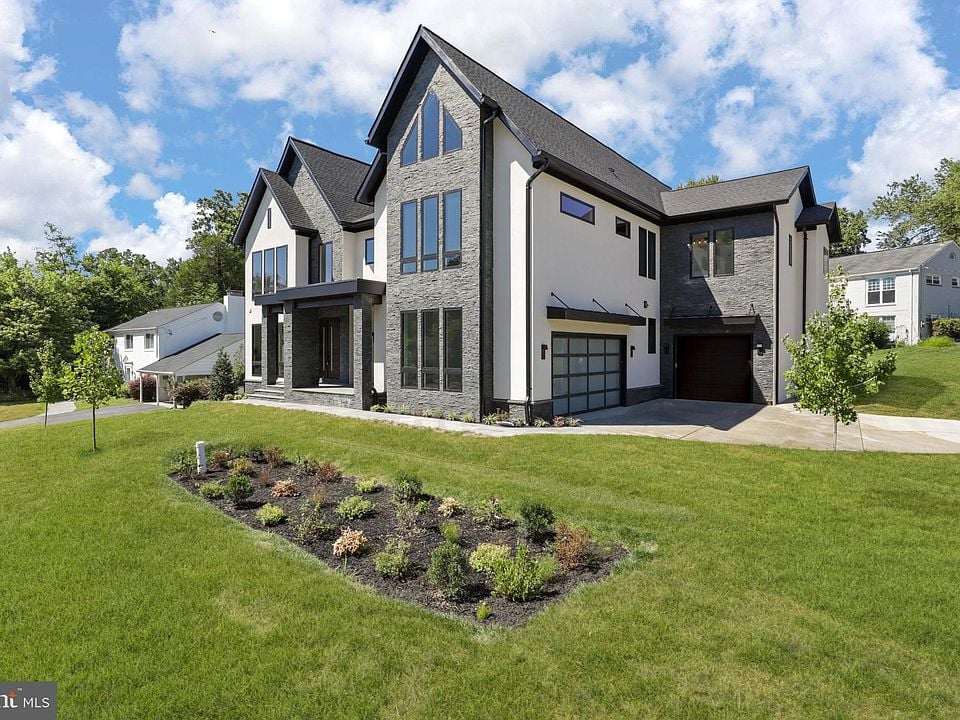
West McLean Convenience

Near central McLean shops and dining; mix of renovated ramblers and new builds. Sidewalk coverage is better here.
Salona Village home (placeholder)

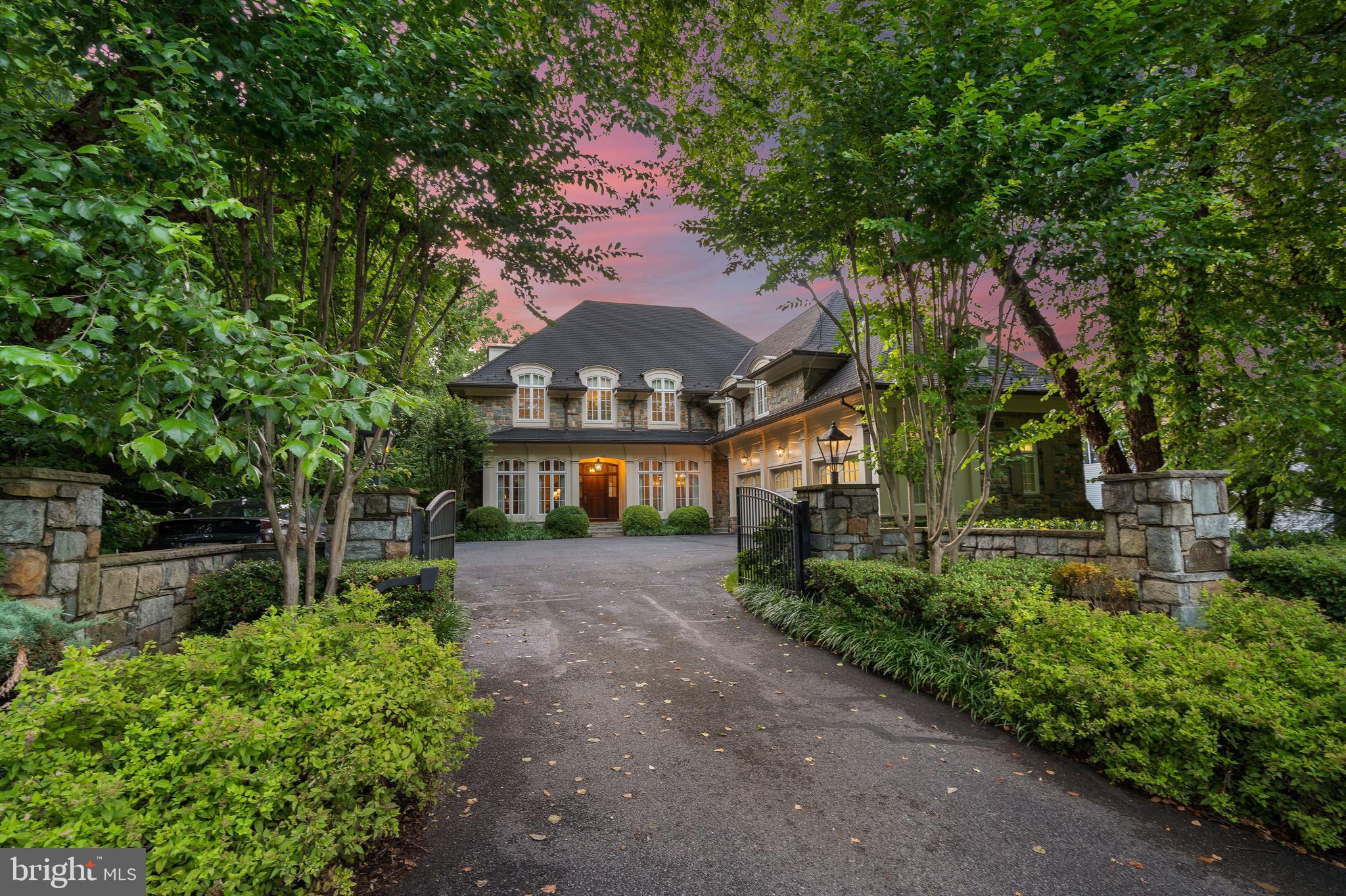
Salona Village Walkable pockets

Coveted for proximity to downtown McLean and parks; premium for updated homes on larger lots.

Lewinsville area (placeholder)

Lewinsville / Chesterbrook School focus

Streets with a neighborhood feel, strong school pyramids, a CLub and Pool, and quick access toward Tysons and Arlington.
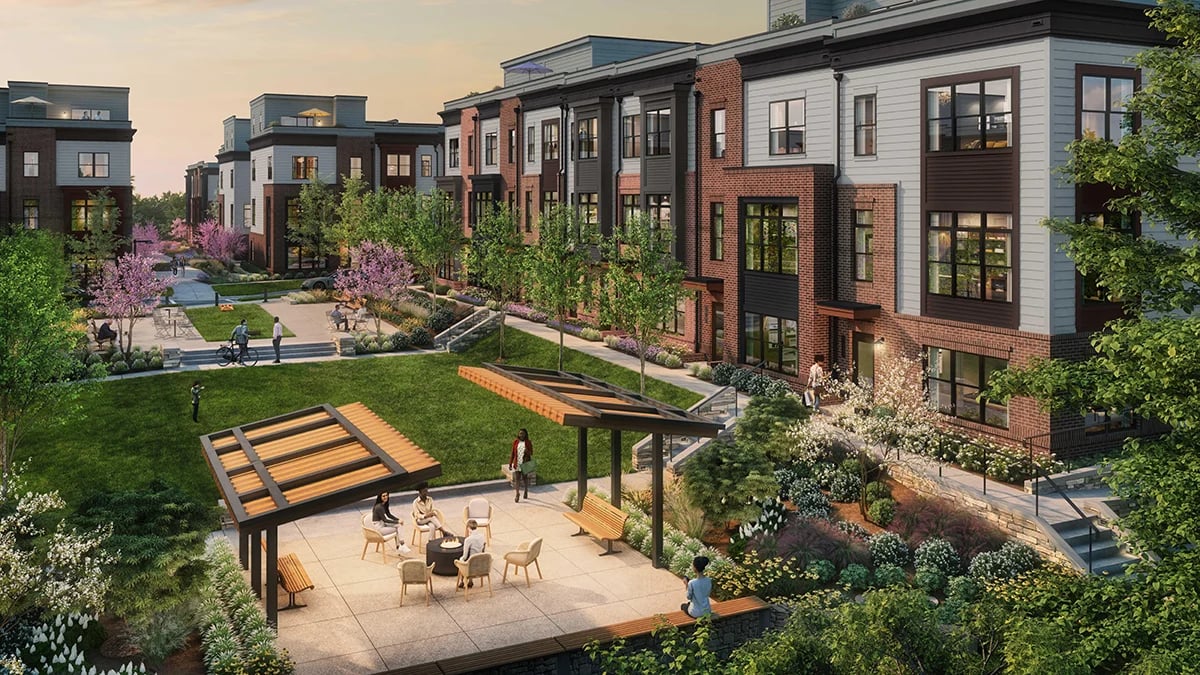
Tysons fringe townhomes (placeholder)

Tysons Fringe Urban access

Townhomes and newer builds within a short hop to Silver Line stations and luxury retail.
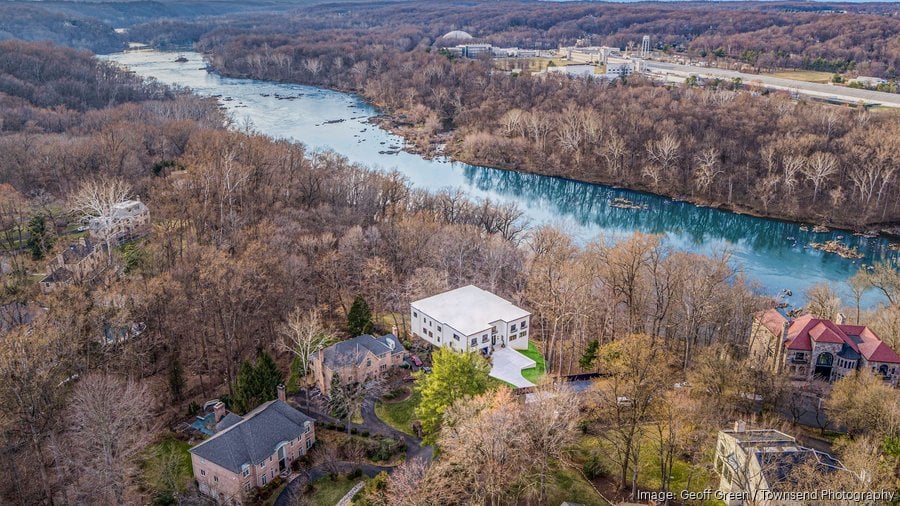
River Oaks area (placeholder)

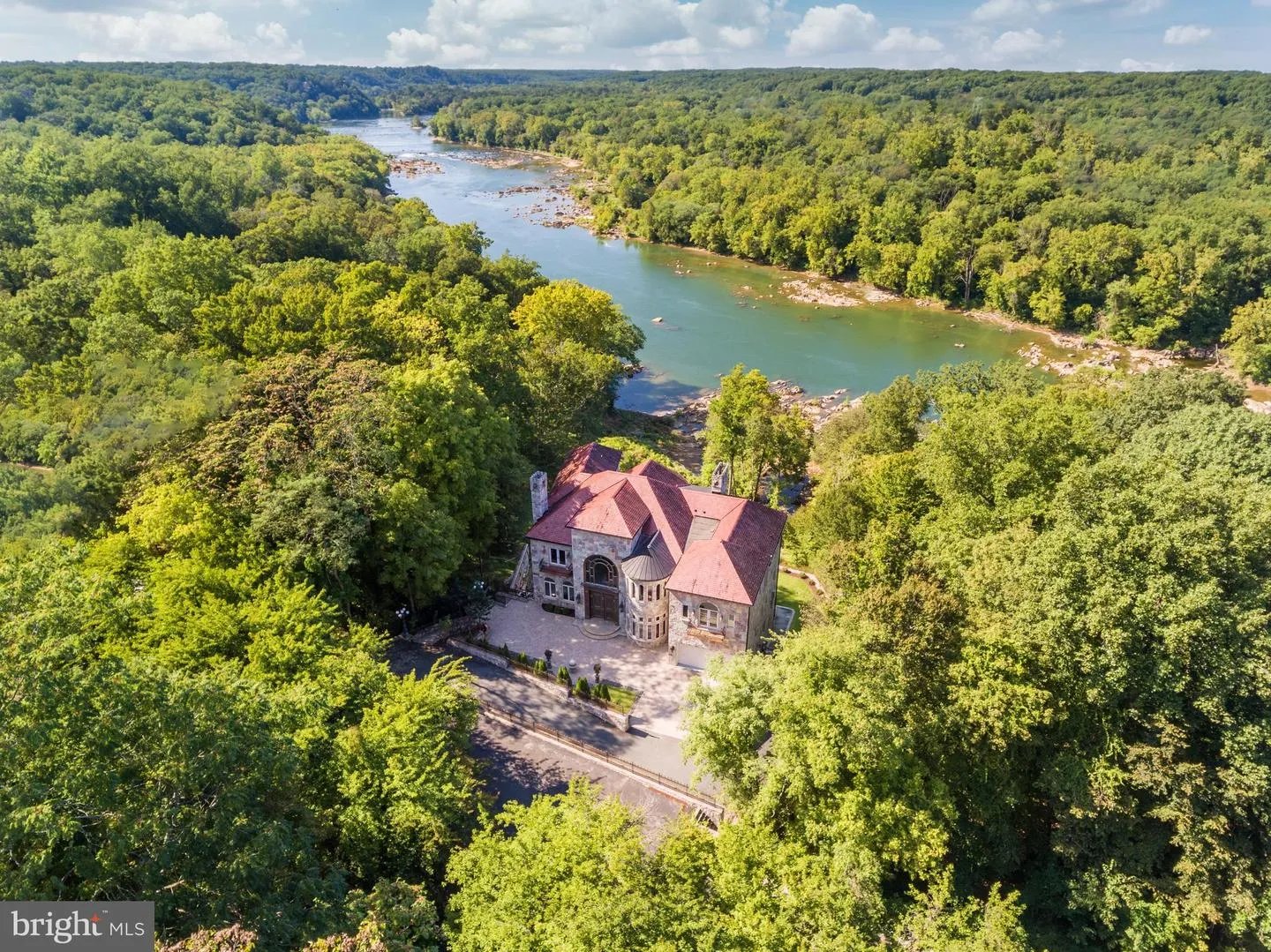
River Oaks / Potomac side Scenic

Near Scott’s Run and the river; serene streets and a nature‑first vibe. Limited retail—by design.

Commute & transit

  • Fast routes off‑peak: GW Parkway to DC (Chain Bridge/Memorial Bridge), I‑495 to Maryland or Dulles tech corridor.
  • Metro (Silver Line): Stations at McLean, Tysons Corner, Greensboro, Spring Hill. Most McLean addresses are a short drive or bike away.
  • Peak tips: Depart before 7:15am or after 9:15am for DC‑bound trips; in the evening, watch Route 7/123 merges near Tysons.
  • Airport access: DCA via GW Parkway; IAD via Dulles Toll Road or I‑495 express lanes.
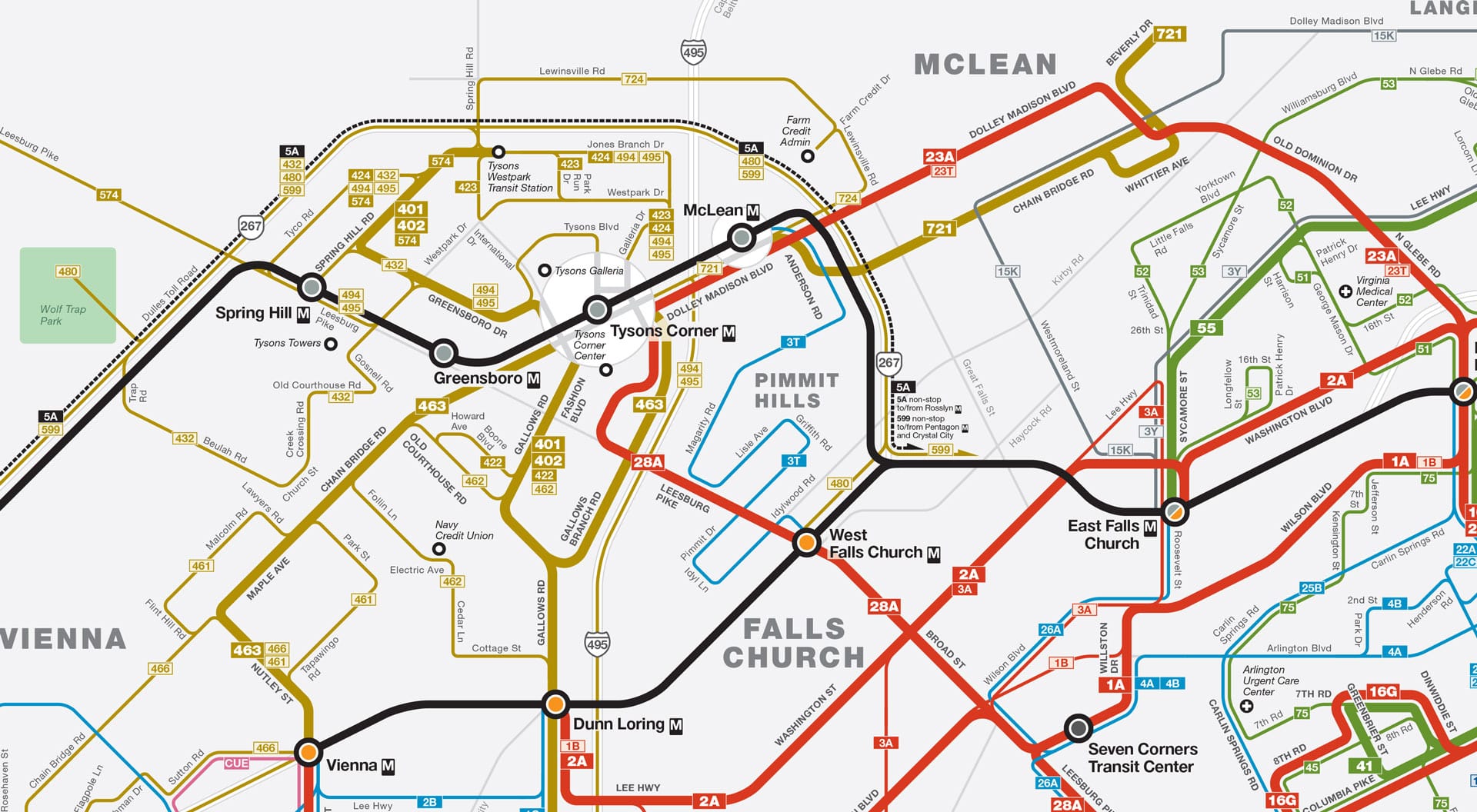
Simplified commute map: McLean to DC, Tysons, airports (placeholder)

Schools (public & private)

Many McLean neighborhoods feed into sought‑after Fairfax County Public Schools pyramids. Several respected private schools are within a 15–25 minute radius. Admissions and boundaries change—verify for your specific address.

Local check: Before you bid, plug the address into the FCPS boundary tool and call the school office to confirm future‑year assignments.

Lifestyle: dining, parks & weekends

  • Dining: Elevated options cluster in Tysons Galleria and along Route 123/7; downtown McLean offers neighborhood favorites and low‑key gems.
  • Parks & trails: Great Falls Park, Scott’s Run Nature Preserve, Clemyjontri Park, and Langley Oaks. Many streets back to parkland—ask about trail cut‑throughs.
  • Retail: Luxury shopping at Tysons Galleria; everyday errands in central McLean. Expect ongoing enhancements along the Tysons corridor.

Costs & housing types

McLean skews higher than neighboring markets due to land value and lot sizes. You’ll find:

  • Renovated 1960s–80s colonials and ramblers on established streets.
  • New‑build luxury homes and curated infill projects (tear‑downs common).
  • Townhomes and condos closer to Tysons for a lower‑maintenance lifestyle.
Buyer tip: Premiums track lot characteristics: usable rear yard, tree canopy, topography, and street quietness. Two similar homes can appraise differently based on these subtleties.

Agent tips (street‑level insights)

  • Mind the cut‑throughs. Some streets feel busier during school drop‑off/commute windows; tour at those exact times.
  • Test your commute. Drive your actual route at your actual hours before you write.
  • Inspect the trees. Mature canopy is a signature here—evaluate health, root systems, and drainage around the foundation.
  • Plan for permits. Renovations and tear‑downs are common; build in time for Fairfax County reviews.
  • Sidewalks & safety. If walkability is key, shortlist West McLean/Salona pockets and verify sidewalk continuity on your block.

FAQs

Is McLean good for commuters?

Yes—especially if you leverage the GW Parkway and avoid peak bottlenecks. Silver Line stations nearby add flexibility.

How competitive is the market?

Turn‑key properties in prime pockets move quickly. Pre‑inspection, strong terms, and flexible post‑occupancy can help.

Which areas are most walkable?

Look around downtown McLean, West McLean, and select pockets near schools and parks. Tysons‑fringe townhomes are walkable to retail and Metro.

Michael Falcone headshot placeholder small

Thinking about McLean?

I tour these streets weekly and track off‑market inventory. Let’s refine your shortlist by commute, school path, and street‑level quiet.
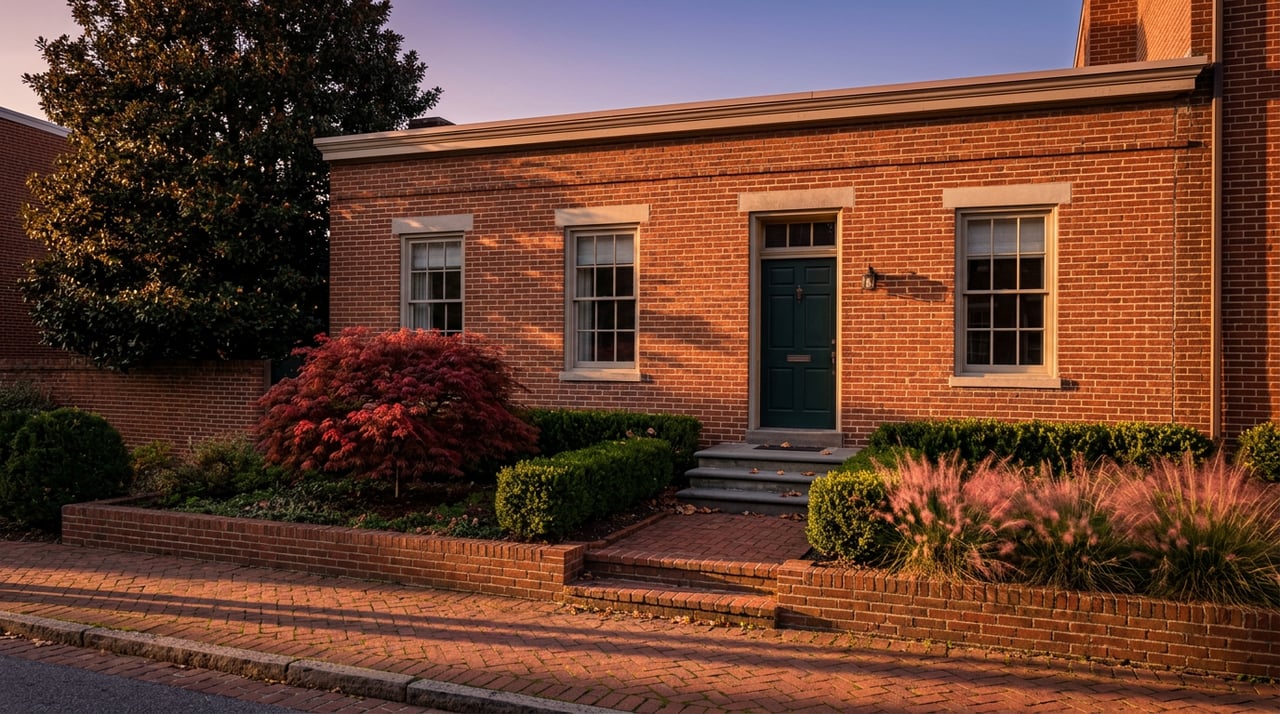
Primary logo placeholder Secondary logo placeholder
© Michael Falcone • All rights reserved • Privacy

Work With Michael

Contact Michael today to learn more about his unique approach to real estate, and how he can help you get the results you deserve.

Follow Me on Instagram