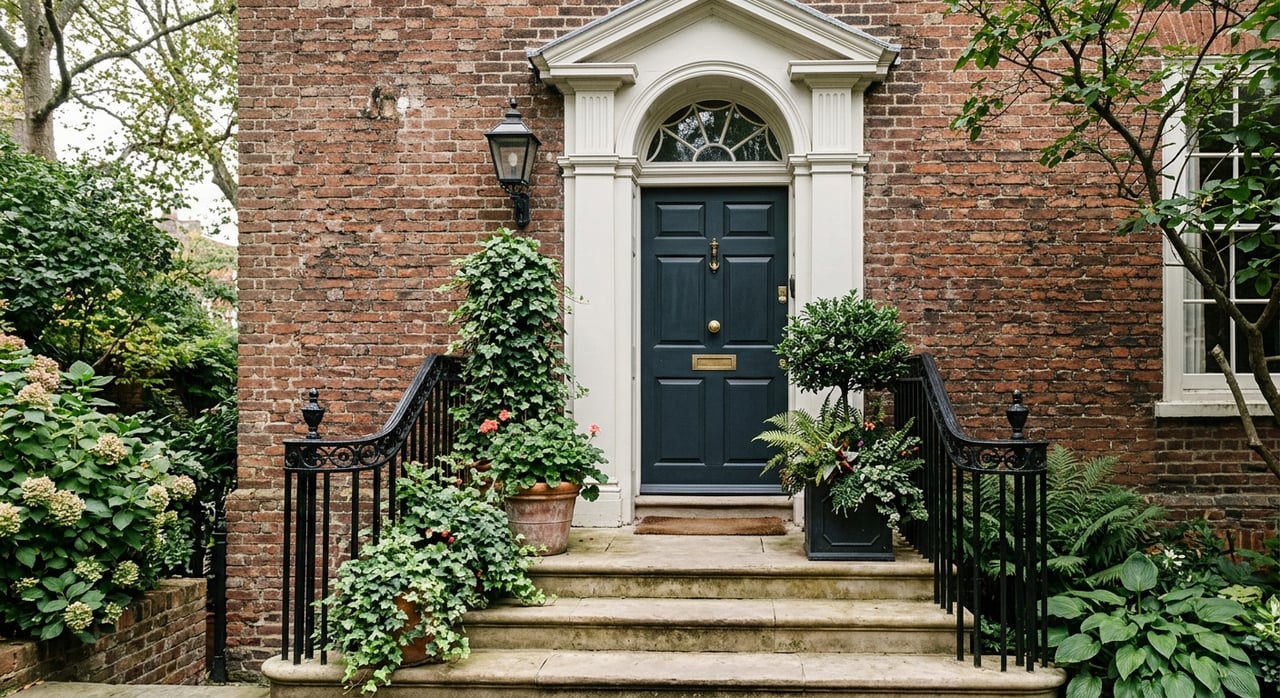
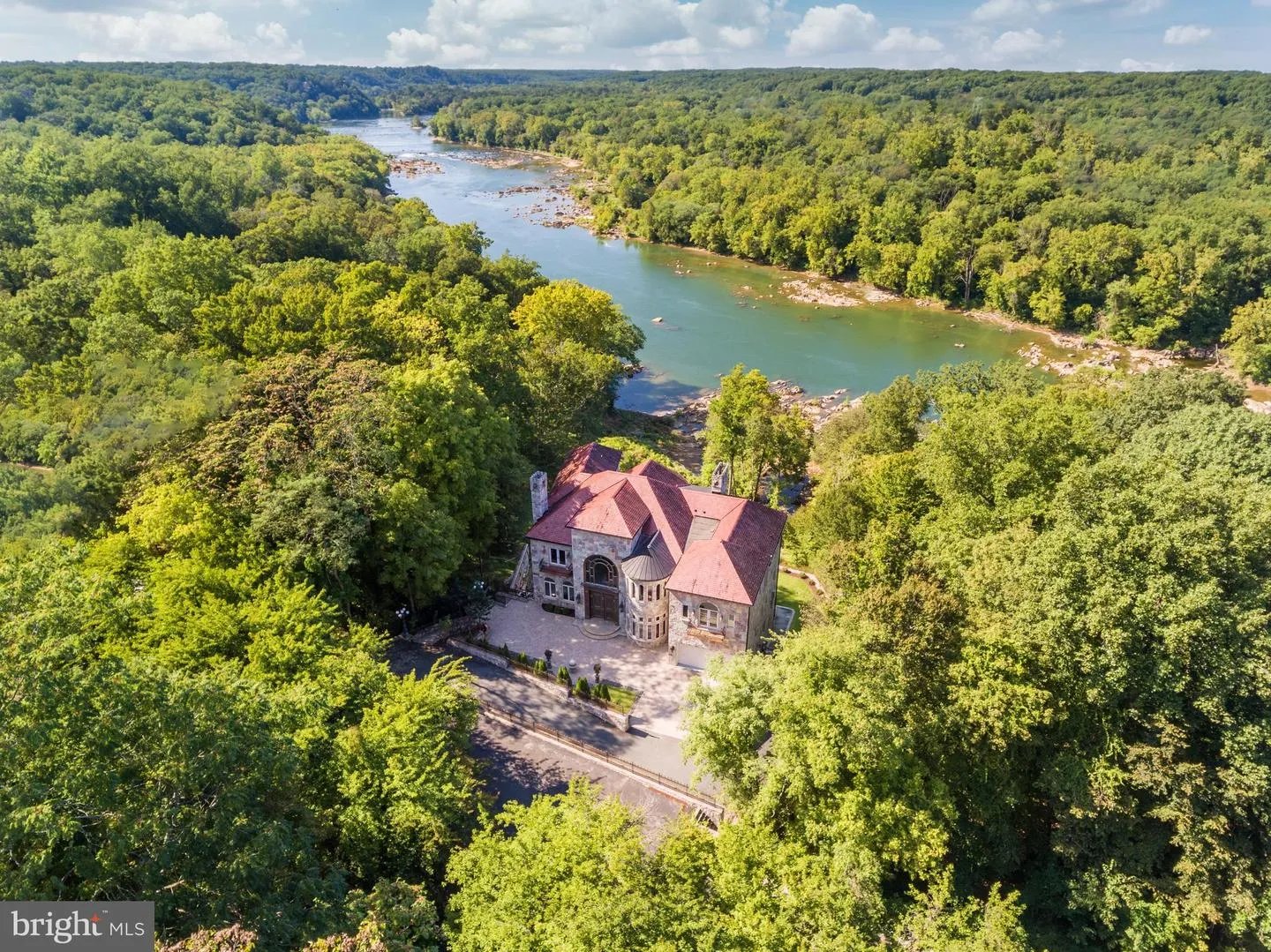
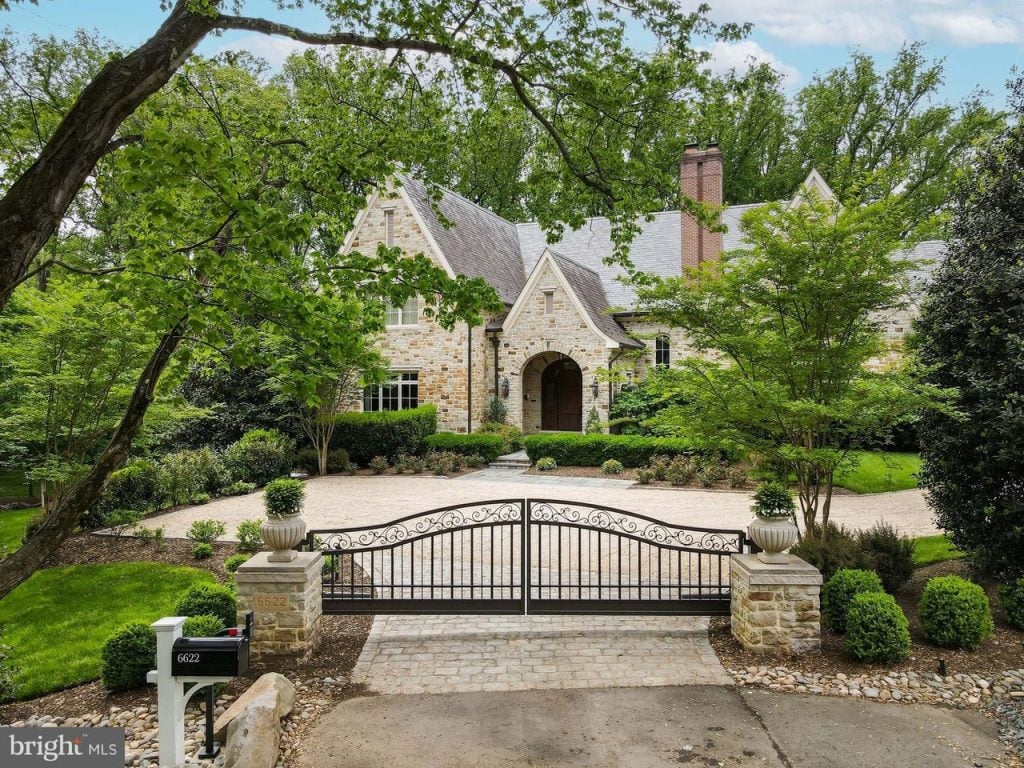
Thinking about buying a historic home in Alexandria? The charm is real, but so is the homework. If you love original brick, period details, and the character you simply cannot replicate in new construction, you also need to understand the rules, upkeep, and planning that often come with an older property. This guide will walk you through what “historic” means in Alexandria, what to watch for before you buy, and how to prepare for ownership with confidence. Let’s dive in.
What “historic” means in Alexandria
In Alexandria, “historic” does not mean just one thing. According to the City of Alexandria preservation program, the city has seven National Register historic districts, but only Old and Historic Alexandria and Parker-Gray are local historic districts regulated through the Board of Architectural Review, or BAR.
That distinction matters when you are house hunting. A home may sit in a historic area and still not be subject to local BAR review, while a property in a local historic district may require review for certain exterior changes even if the house is not individually designated as a landmark.
The city also regulates buildings designated as One Hundred-Year-Old Buildings by City Council ordinance. Alexandria’s preservation resources note that the city has more than 200 structures built before 1820, most of them in Old Town, along with many Georgian and Federal-period examples. For buyers, that means Alexandria offers real architectural history, not just an older-home aesthetic.
Why the district type matters
The biggest practical issue is renovation planning. In local historic districts, exterior work that is visible from a public right-of-way may require review, while interior work does not require BAR approval.
If you are comparing two similar homes, this can affect your timeline, budget, and design choices. A buyer who wants to move in and keep everything as-is may not mind that process. A buyer planning visible exterior updates should understand the property’s status before making an offer.
Know the review rules before you buy
For homes in Alexandria’s local historic districts, a Certificate of Appropriateness is required for new construction and for exterior alterations visible from a public right-of-way, according to the city’s preservation guidance. A Permit to Demolish is required for demolition or capsulation of more than 25 square feet of material, whether or not the area is visible.
That does not mean every small project turns into a drawn-out hearing. Under the city’s BAR administrative policies, some ordinary maintenance items may need no BAR approval or may be handled at the staff level, including certain storm windows, unornamented storm doors, and roof drainage elements.
This is good news if you want a historic home but still expect to maintain it responsibly over time. The process is structured, but it is not automatically restrictive for every repair or upgrade.
Exterior changes often need more planning
Historic-home buyers should pay special attention to projects involving windows, doors, roofs, masonry, fences, stoops, skylights, and solar systems. Alexandria maintains separate guideline sets for Old and Historic Alexandria and Parker-Gray, and those features are common points of review under the city’s preservation framework.
In simple terms, exterior projects often require more advance planning than they would in a newer subdivision or condo building. If your vision includes visible changes, it is smart to verify requirements early rather than assume you can decide after closing.
Window replacement deserves extra attention
Windows are one of the clearest examples. The National Park Service says owners are encouraged to repair and retain historic windows when possible rather than replace them as a first step.
If replacement is proposed, documentation can become more detailed. The National Park Service notes that owners may need photos and drawings showing existing and proposed sections, profiles, materials, and wall placement. So yes, replacement may be possible, but it is usually not treated like a simple retail swap.
Expect ongoing maintenance, not just one renovation
One of the most important mindset shifts for buying a historic home is this: maintenance is often ongoing. It is less about one big project and more about consistent care over time.
The National Park Service emphasizes the importance of keeping roofs, gutters, and downspouts in good repair, because water intrusion can damage masonry, wood, plaster, paint, and structural components. In an older home, small exterior issues can become larger interior problems if they are ignored.
For many Alexandria buyers, the recurring to-do list may include:
- roof leak prevention
- gutter and downspout maintenance
- masonry repointing
- paint upkeep
- repair of wood trim, porch elements, steps, or railings
That does not mean a historic home is a bad investment. It means you should budget for upkeep as part of ownership, not as a surprise.
Look closely at health and hidden-condition issues
If the home was built before 1978, lead-based paint should be part of your due diligence. The EPA says homes built before 1978 are likely to contain lead-based paint, and 87% of homes built before 1940 have some lead-based paint.
That matters most around painted surfaces, windows, trim, and any area you plan to disturb during renovations. If you are buying an older Alexandria property, your inspection strategy should reflect the home’s age and your near-term project plans.
The EPA also says asbestos-containing materials that are undamaged and undisturbed are usually best left alone, but remodeling that disturbs them may require trained and accredited professionals. If you are planning updates soon after closing, it is wise to identify likely risk areas before your budget is finalized.
Check for easements and ownership layers
Historic-home due diligence in Alexandria should also include title-related and tax-related questions. According to the city, buyers pay state and city recordation tax at closing, and some required-user residential properties may also carry a city refuse-collection fee on the real estate tax bill.
You should also confirm whether the property is subject to a preservation easement. The city notes that an easement runs with the land and can require written approval for alterations or additions. Easements may also affect assessed value and can create tax benefits.
This is one reason historic-home purchases benefit from careful document review. The beauty of the property is easy to see. The restrictions and opportunities tied to that property require a closer look.
Understand available tax credits
Tax incentives can be helpful, but they are not the same for every buyer. The National Park Service states that the 20% federal historic preservation tax credit applies only to income-producing properties, not to a personal residence.
Virginia’s Historic Rehabilitation Tax Credit is broader. The state program, as summarized by the National Park Service in the research provided, is available for owner-occupied as well as income-producing buildings and reimburses 25% of eligible rehabilitation expenses.
For owner-occupied residential buildings, the eligible rehabilitation expenses must reach at least 25% of the prior year’s assessed value, and the program uses a three-part certification process. If you are buying with renovation in mind, it may be worth exploring whether your project could qualify.
A simple due diligence checklist
Before you buy a historic home in Alexandria, make sure you can answer these questions:
- Is the home in Old and Historic Alexandria, Parker-Gray, another historic district, or outside local BAR regulation?
- Is the property designated as a One Hundred-Year-Old Building?
- Is there a preservation easement recorded against the property?
- What exterior changes were previously approved, denied, or completed?
- What repairs are needed now for the roof, gutters, masonry, paint, windows, or trim?
- Are there likely lead-based paint or asbestos concerns in areas you plan to renovate?
- Will your ownership budget comfortably cover recurring maintenance?
- If you are renovating, could any state tax credit apply to your project?
These questions can save you time and stress later. They also help you decide whether a specific home matches your goals, budget, and tolerance for project management.
Historic homes can be rewarding purchases
Buying a historic home in Alexandria can be deeply rewarding if you go in with clear expectations. You get architecture, materials, and street presence that are hard to duplicate, especially in a city with such a well-documented preservation framework.
The key is to treat the purchase as both a lifestyle decision and a property decision. When you understand local review rules, maintenance patterns, easements, and renovation limits before closing, you are much more likely to enjoy the home rather than feel surprised by it.
If you are considering a historic property in Alexandria and want a practical, detail-focused approach to evaluating the opportunity, Falcone Real can help you think through the property, the process, and the next steps with confidence.
FAQs
What does historic home status mean in Alexandria?
- In Alexandria, a home may be in a historic area without local BAR regulation, while properties in the local historic districts of Old and Historic Alexandria and Parker-Gray may be subject to review for certain exterior changes.
What exterior changes need approval for a historic home in Alexandria?
- In Alexandria’s local historic districts, exterior alterations visible from a public right-of-way generally require a Certificate of Appropriateness, while demolition or capsulation of more than 25 square feet requires a Permit to Demolish.
Does interior work need BAR approval for a historic home in Alexandria?
- No. The City of Alexandria states that interior work does not require Board of Architectural Review approval.
Should you replace old windows in a historic Alexandria home?
- Not automatically. The National Park Service encourages owners to repair and retain historic windows when possible, and replacement proposals may require more detailed documentation.
What maintenance issues are common in Alexandria historic homes?
- Buyers should expect regular attention to roofs, gutters, downspouts, masonry, paint, wood trim, porches, steps, and railings, since water intrusion and deferred exterior maintenance can lead to larger problems.
Are there tax credits for renovating a historic home in Alexandria?
- Possibly. The federal 20% historic preservation tax credit applies only to income-producing properties, while Virginia’s Historic Rehabilitation Tax Credit may also be available for owner-occupied homes that meet program requirements.
What environmental concerns should buyers check in older Alexandria homes?
- Buyers should pay close attention to possible lead-based paint in older homes and consider whether planned renovations could disturb asbestos-containing materials that may require trained professionals.