
Search

Leave a Message

By providing your contact information to Falcone Real, your personal information will be processed in accordance with Falcone Real's Privacy Policy. By checking the box(es) below, you consent to receive communications regarding your real estate inquiries and related marketing and promotional updates in the manner selected by you. For SMS text messages, message frequency varies. Message and data rates may apply. You may opt out of receiving further communications from Falcone Real at any time. To opt out of receiving SMS text messages, reply STOP to unsubscribe.

Thank you for your message. I will be in touch with you shortly.

Browse Properties
Everyday Life In Falls Church: Dining, Parks And Commutes

Everyday Life In Falls Church: Dining, Parks And Commutes

If you want a Northern Virginia lifestyle that feels connected, convenient, and easy to navigate, Falls Church stands out fast. In a region where daily routines can feel spread out, this small city offers a different pace with dining, parks, errands, and community events often clustered close together. Whether you are exploring the area for a move or simply want a better feel for day-to-day life, this guide will walk you through what living in Falls Church can actually look like. Let’s dive in.

Why Falls Church Feels Easy to Live In

Falls Church calls itself The Little City, and that nickname fits daily life well. The city says it is just 2.2 square miles, with City Hall about nine miles from the White House and downtown centered at the crossroads of Washington Street and Broad Street.

That compact layout shapes how your week feels. According to the city, Falls Church is pedestrian- and cyclist-friendly, and many shops, restaurants, and attractions are within a 5- to 10-minute walk of free public parking. Instead of planning long, scattered outings, you can often combine several stops into one trip.

Dining in Falls Church

Founders Row Adds Evening Energy

Founders Row on West Broad Street has become one of the clearest dining and entertainment hubs in Falls Church. The development brings together restaurants, cafés, and Paragon Theaters in one mixed-use setting.

That setup makes everyday social plans feel simple. You can meet for coffee, grab dinner, or catch a movie without needing to drive across multiple parts of town. The dining mix also spans several styles, including creative comfort food, Korean steakhouse, Vietnamese, matcha, and coffee-focused spots.

Broad and Washington Supports Daily Routines

The downtown area around Broad and Washington is another key part of local life. The city says the Broad and Washington project is complete, with Whole Foods and Creative Cauldron open in early 2025.

For you, that means the area supports more than a single-purpose stop. It is the kind of place where grocery shopping, dinner, and an arts outing can happen in one loop. The city's downtown plan describes this intersection as a nexus of culture and commerce, and that description helps explain why it matters so much to everyday routines.

Eden Center Anchors Food Culture

Few places define Falls Church dining identity more than Eden Center. The city describes it as the largest Vietnamese shopping center on the East Coast, while Visit Falls Church calls it North America’s largest Vietnamese shopping center. Both sources agree on the practical takeaway: it includes more than 120 businesses and a dense concentration of restaurants, grocers, salons, and specialty shops.

If you are someone who values variety and destination dining, Eden Center is a major part of the local experience. It gives Falls Church a distinct food culture that goes beyond the usual suburban mix of chains and standalone restaurants.

Outdoor Dining and Nightlife Add Variety

Falls Church also supports a visible patio and sidewalk dining scene through its outdoor dining permit process. That tells you outdoor seating is not an afterthought. It is part of the regular streetscape.

Your evening options are not limited to restaurants, either. The city highlights venues such as The State Theatre for live music and ArtSpace Falls Church for gallery and small theater experiences, giving local nights out a little more range.

Parks and Outdoor Time

Cherry Hill Park Is the Civic Green

Cherry Hill Park is one of the most important public spaces in Falls Church. The city describes it as the focal point for many special events and activities and says it is the most heavily used park because of its central location and amenities.

In practical terms, this is the kind of place that often becomes part of your regular routine. It works for a quick walk, casual outdoor time, or larger community gatherings throughout the year.

Berman Park Connects Daily Walks

Berman Park offers a different kind of outdoor value. It is a linear park with a trail linking South Washington Street to West Broad Street, so it functions as both open space and a pedestrian connection.

The park includes grills, a picnic shelter, picnic tables, and play equipment, and the city notes that the playground equipment was replaced in 2025. For residents, that means the space supports both short pass-through walks and longer family or weekend stops.

W&OD Trail Supports Recreation and Commuting

The W&OD Trail is Falls Church’s signature trail asset. It is a 45-mile paved rail-trail, with about 2 miles running through the city, and it stretches east-west through the northern part of Falls Church.

This trail is useful in more than one way. The city notes that it has long served both recreation and commuting needs, which is especially helpful if you want flexible options for biking, walking, or fitting in outdoor time before or after work. Features such as fitness stations, little free libraries, bike repair stations, and an equestrian trail add to its everyday appeal.

Outdoor Life Fits Into Normal Days

The city’s parks system emphasizes walking, biking, picnicking, and casual play. That matters because it suggests Falls Church outdoor life is not built only around organized sports or destination parks.

Instead, the area supports shorter, easier outdoor breaks. If you like the idea of fitting a walk, a bike ride, or a park stop into a busy day, Falls Church makes that feel realistic.

Community Events Shape the Social Rhythm

The Farmers Market Is a Weekly Tradition

The Falls Church Farmers Market is one of the city’s most established weekly rituals. It runs every Saturday year-round in the City Hall parking lot at 300 Park Avenue, is Metro accessible, and features more than 50 vendors.

The market also includes a monthly Chef Series and accepts SNAP/EBT and Virginia Fresh Match with certain vendors. For you, this adds up to more than a shopping stop. It is a consistent part of the city’s social rhythm and a regular gathering point for residents.

Seasonal Events Keep the Calendar Active

Falls Church also has a strong seasonal event calendar. According to the city’s events listings, summer brings free Concerts in the Park on Thursday evenings in June, July, and August, while late summer and fall include Sunset Cinema in Cherry Hill Park.

Other major annual events include the Memorial Day Parade and Festival, the Falls Church Festival and Taste of Falls Church, and October’s Farm Day. Many of these are centered around Cherry Hill Park, City Hall, or the Community Center, which reinforces how compact and easy-to-follow the local event map is.

Commutes and Getting Around

Metro Access Is Nearby, Not Inside City Limits

Falls Church has strong regional access, but one detail is worth knowing upfront. The city says it is easily reached by Routes 66 and 50, bus routes, and the East and West Falls Church Metro stations, but it also notes that neither Metro station is within the city boundary.

That point matters if you are mapping out a future commute. The stations are part of everyday mobility for residents, but they are nearby rather than actually inside city limits.

Rail and Bus Options Support Flexibility

East Falls Church Station provides Orange and Silver Line access, while West Falls Church serves the Orange Line and includes on-site garage parking in the median of I-66. WMATA also notes Fairfax Connector service to Wolf Trap from West Falls Church, which adds to the station’s role as a regional transit node.

The city’s transportation options page lists Metrobus routes through Falls Church including F50, F26, F20, and ART 55, along with nearby Arlington Transit and Fairfax Connector connections. For you, the biggest takeaway is simple: Falls Church offers multiple ways to get into D.C. and around nearby job centers.

Driving and Parking Stay Practical

Even if you mostly drive, Falls Church keeps day-to-day movement relatively straightforward. The city says public parking in downtown lots and garages is free, and many shops, restaurants, and attractions are a short 5- to 10-minute walk away.

That setup helps reduce friction in your routine. A quick dinner, grocery stop, or errand run can often feel manageable without the long search for parking that you might expect in a more crowded urban setting.

What Everyday Life Feels Like

In many Northern Virginia communities, convenience depends on how much driving you are willing to do. In Falls Church, convenience often comes from proximity. Dining, public spaces, events, and transit connections are close enough together that your routine can feel more efficient and more connected.

That is a big part of the appeal. If you are looking for a place where you can mix errands, outdoor time, food, and community events without spending your day crossing long distances, Falls Church offers a lifestyle that feels compact in a good way.

If you are considering a move to Falls Church or comparing Northern Virginia neighborhoods, Falcone Real can help you evaluate the lifestyle, location, and real estate options that best fit your goals. Whether you are buying, selling, relocating, or exploring your next step, a thoughtful local strategy can make all the difference.

FAQs

What is everyday life like in Falls Church, VA?

  • Everyday life in Falls Church tends to feel compact and convenient, with dining, parks, events, and errands often clustered within short distances.

Where do people dine in Falls Church, VA?

  • Popular dining areas include Founders Row, the Broad and Washington area, and Eden Center, which is known for its large concentration of Vietnamese restaurants and shops.

What parks are popular in Falls Church, VA?

  • Cherry Hill Park, Berman Park, and the W&OD Trail are some of the city’s most notable outdoor spaces for walking, casual recreation, and community events.

How do commuters get around from Falls Church, VA?

  • Commuters use nearby East Falls Church and West Falls Church Metro stations, local and regional bus routes, Routes 66 and 50, and trail connections such as the W&OD Trail.

Is Falls Church, VA walkable for errands and dining?

  • The city describes Falls Church as pedestrian- and cyclist-friendly, with many downtown shops, restaurants, and attractions within a 5- to 10-minute walk of free public parking areas.
Living & Working in McLean, VA: Pros & Cons (Local Guide)
Michael Falcone headshot placeholder
By Michael Falcone • Updated Aug 18, 2025
Home â–¸ Guides â–¸ McLean, VA
Local Guide

Living & Working in McLean, VA: The Real Pros & Cons

Reading time: 8–10 mins Region: McLean, Tysons, Great Falls corridor
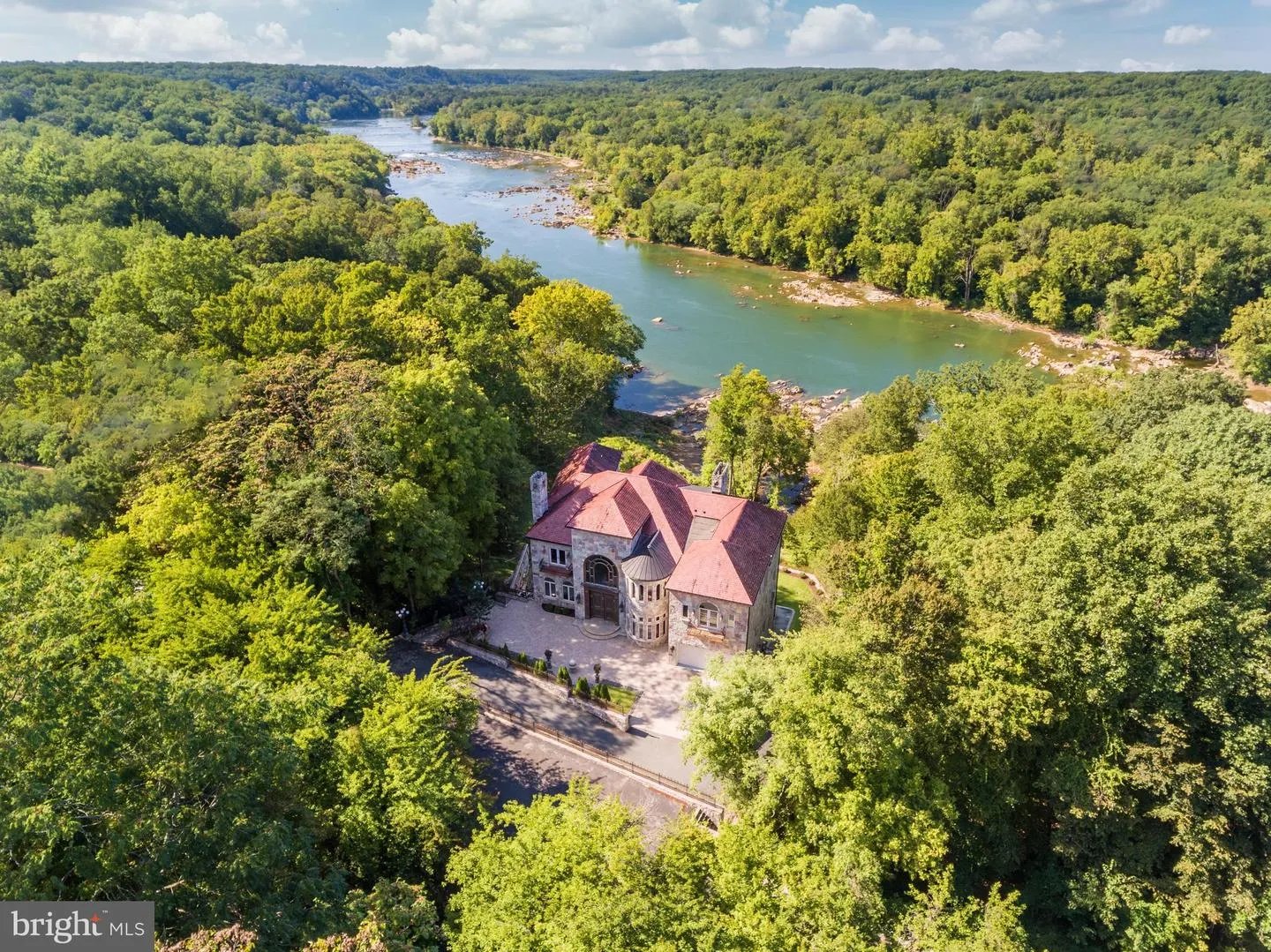
Tree‑lined street and elegant homes in McLean, VA (placeholder)

McLean blends quiet, tree‑canopied neighborhoods with fast access to Tysons, DC, and the George Washington Parkway. It’s where privacy and proximity meet—if you know which streets to target.

Pros (Why people choose McLean)

  • Proximity without the city noise. Minutes to Tysons, 15–25 minutes to DC in off‑peak via GW Parkway; quick access to I‑495, Route 123, and Route 7.
  • Top‑tier public schools. Many neighborhoods feed into highly rated FCPS pyramids; competitive private options nearby.
  • Lot size & privacy. Mature trees, larger lots than Arlington or Alexandria; pockets with estate‑style settings.
  • Safety & prestige. Quiet streets, well‑kept homes, and a refined, low‑key feel.
  • Outdoor access. Great Falls Park, Scott’s Run, and Langley Oaks trails are weekend staples.
  • Dining & retail upgrades. Tysons Corner Center, Tysons Galleria, and a growing fine‑dining scene within a 10‑minute radius.

Cons (The trade‑offs)

  • Peak‑hour traffic. GW Parkway, Chain Bridge, Route 123, and Route 7 bottlenecks can add significant time.
  • Price point. Premium land values; new builds and renovated homes command high multiples.
  • Walkability varies. Some pockets are car‑dependent; sidewalks aren’t universal on interior streets.
  • Older housing stock in core McLean. Many 1960s–1980s homes need updates; tear‑down activity is common.
  • Metro access is nearby—but not everywhere. Silver Line stations sit mainly in Tysons; plan for a short drive or bike unless you’re very close to the McLean station area.
Local note: If your commute depends on Chain Bridge or the GW Parkway, your exact street matters. Two similar addresses can mean a 10‑ to 20‑minute difference during peak.

Neighborhood snapshots (insider quick‑takes)
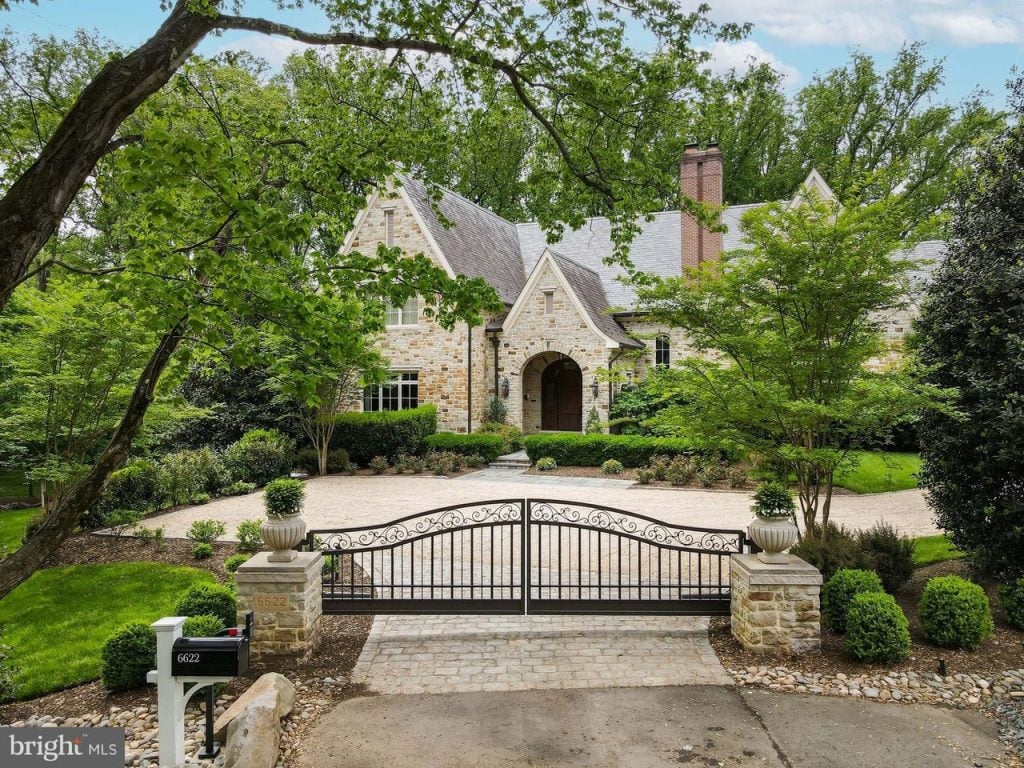
Langley area streetscape (placeholder)

Langley / Chain Bridge Road Estate lots

Leafy, quiet, and close to GW Parkway. Popular for privacy, proximity to DC, and access to scenic trails.
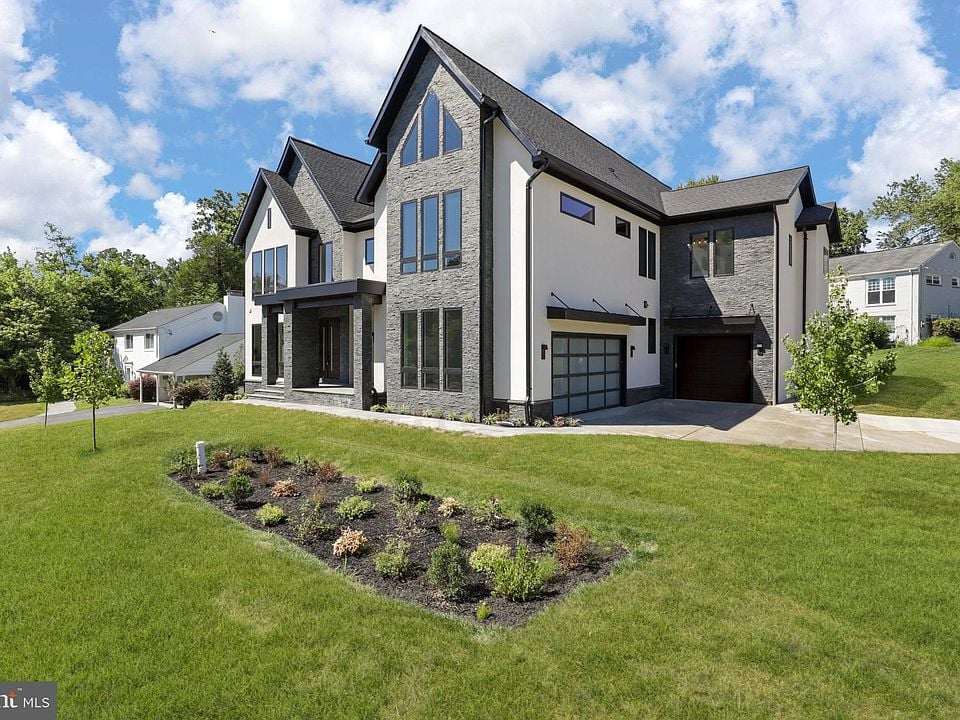
West McLean sidewalk scene (placeholder)

West McLean Convenience

Near central McLean shops and dining; mix of renovated ramblers and new builds. Sidewalk coverage is better here.
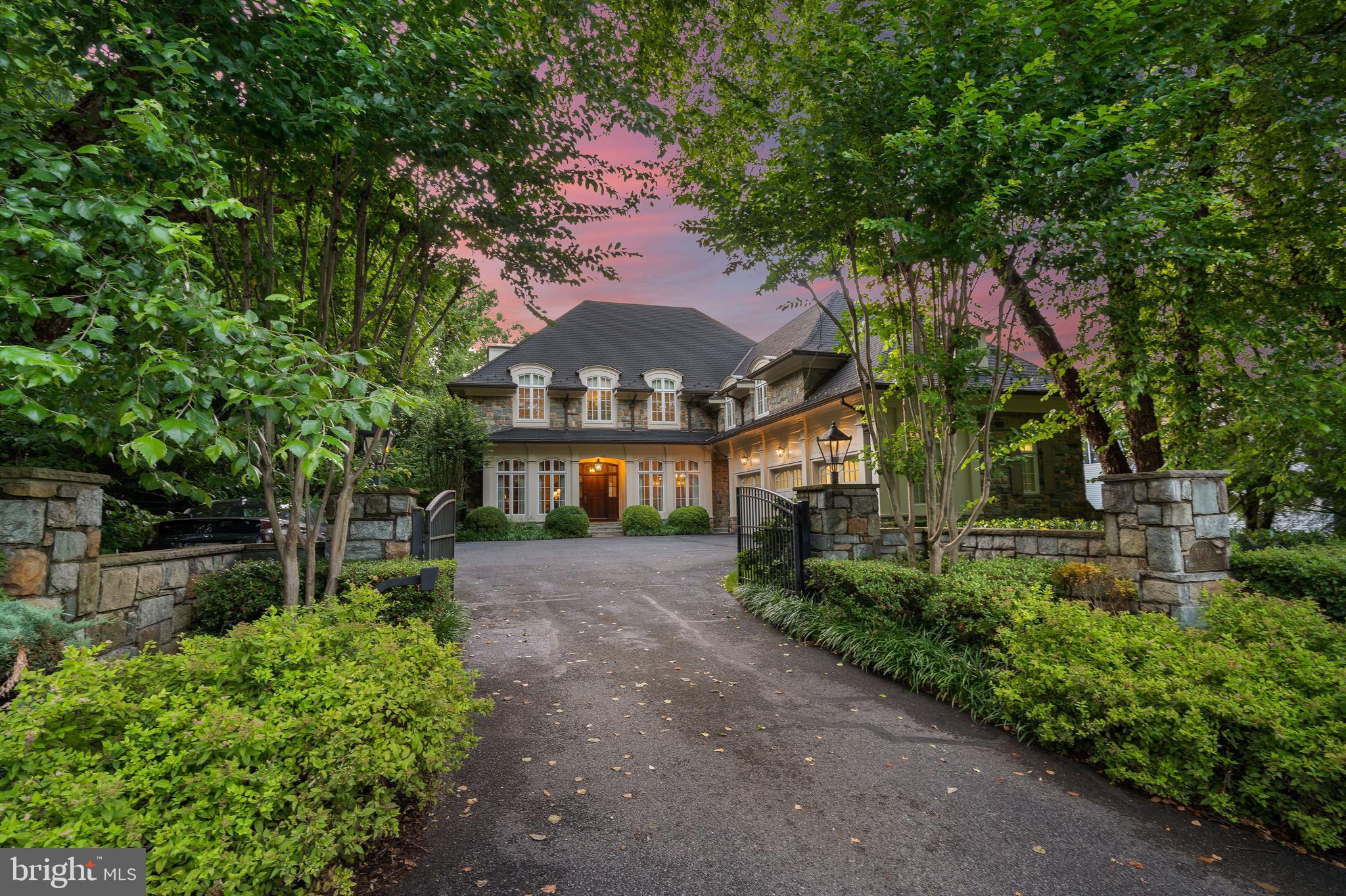
Salona Village home (placeholder)

Salona Village Walkable pockets

Coveted for proximity to downtown McLean and parks; premium for updated homes on larger lots.
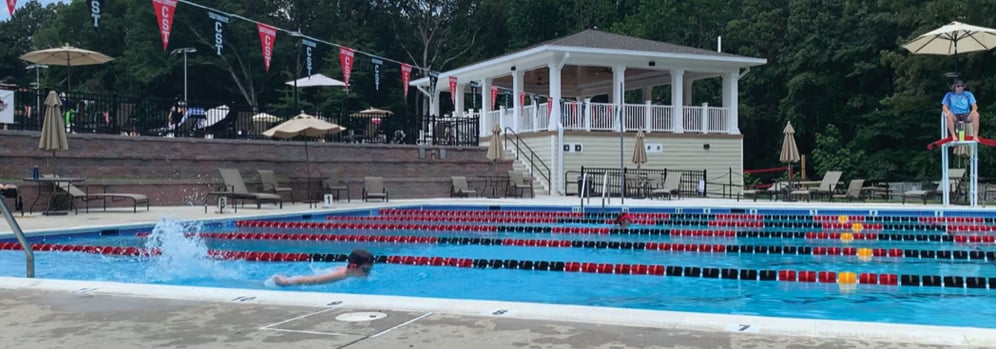
Lewinsville area (placeholder)

Lewinsville / Chesterbrook School focus

Streets with a neighborhood feel, strong school pyramids, a CLub and Pool, and quick access toward Tysons and Arlington.
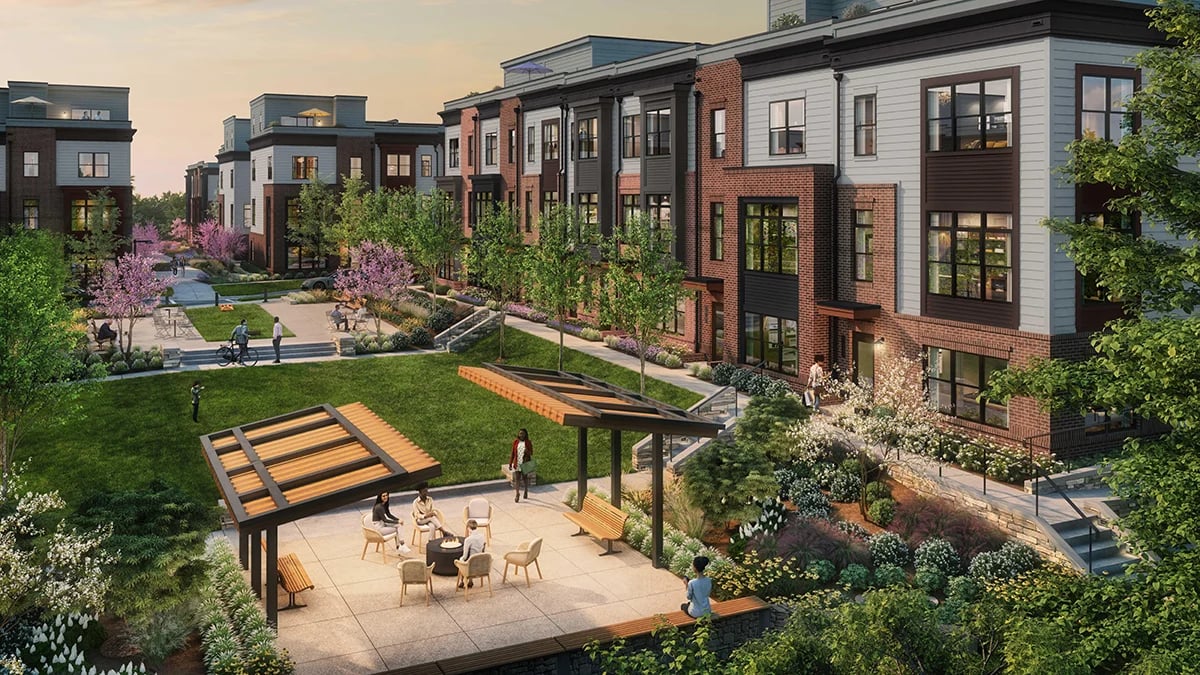
Tysons fringe townhomes (placeholder)

Tysons Fringe Urban access

Townhomes and newer builds within a short hop to Silver Line stations and luxury retail.
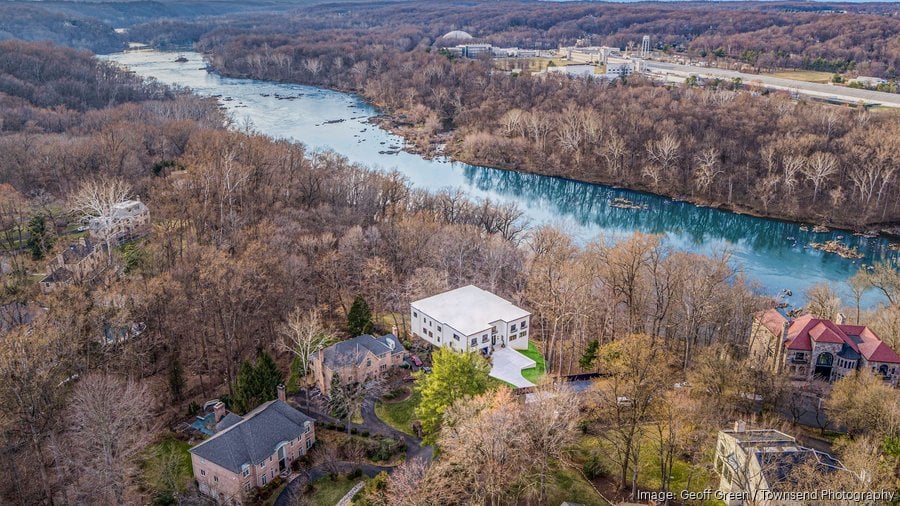
River Oaks area (placeholder)

River Oaks / Potomac side Scenic

Near Scott’s Run and the river; serene streets and a nature‑first vibe. Limited retail—by design.

Commute & transit

  • Fast routes off‑peak: GW Parkway to DC (Chain Bridge/Memorial Bridge), I‑495 to Maryland or Dulles tech corridor.
  • Metro (Silver Line): Stations at McLean, Tysons Corner, Greensboro, Spring Hill. Most McLean addresses are a short drive or bike away.
  • Peak tips: Depart before 7:15am or after 9:15am for DC‑bound trips; in the evening, watch Route 7/123 merges near Tysons.
  • Airport access: DCA via GW Parkway; IAD via Dulles Toll Road or I‑495 express lanes.
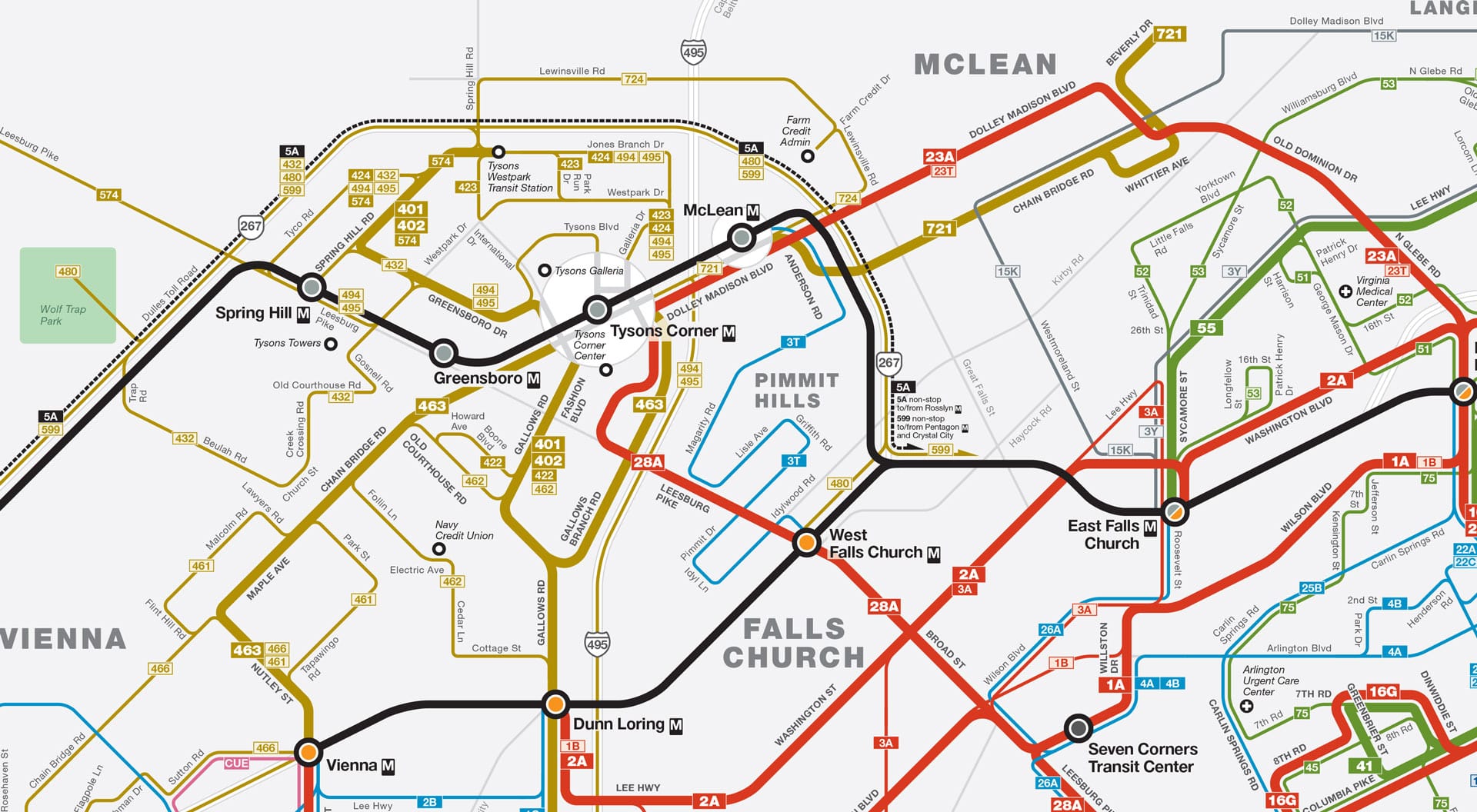
Simplified commute map: McLean to DC, Tysons, airports (placeholder)

Schools (public & private)

Many McLean neighborhoods feed into sought‑after Fairfax County Public Schools pyramids. Several respected private schools are within a 15–25 minute radius. Admissions and boundaries change—verify for your specific address.

Local check: Before you bid, plug the address into the FCPS boundary tool and call the school office to confirm future‑year assignments.

Lifestyle: dining, parks & weekends

  • Dining: Elevated options cluster in Tysons Galleria and along Route 123/7; downtown McLean offers neighborhood favorites and low‑key gems.
  • Parks & trails: Great Falls Park, Scott’s Run Nature Preserve, Clemyjontri Park, and Langley Oaks. Many streets back to parkland—ask about trail cut‑throughs.
  • Retail: Luxury shopping at Tysons Galleria; everyday errands in central McLean. Expect ongoing enhancements along the Tysons corridor.

Costs & housing types

McLean skews higher than neighboring markets due to land value and lot sizes. You’ll find:

  • Renovated 1960s–80s colonials and ramblers on established streets.
  • New‑build luxury homes and curated infill projects (tear‑downs common).
  • Townhomes and condos closer to Tysons for a lower‑maintenance lifestyle.
Buyer tip: Premiums track lot characteristics: usable rear yard, tree canopy, topography, and street quietness. Two similar homes can appraise differently based on these subtleties.

Agent tips (street‑level insights)

  • Mind the cut‑throughs. Some streets feel busier during school drop‑off/commute windows; tour at those exact times.
  • Test your commute. Drive your actual route at your actual hours before you write.
  • Inspect the trees. Mature canopy is a signature here—evaluate health, root systems, and drainage around the foundation.
  • Plan for permits. Renovations and tear‑downs are common; build in time for Fairfax County reviews.
  • Sidewalks & safety. If walkability is key, shortlist West McLean/Salona pockets and verify sidewalk continuity on your block.

FAQs

Is McLean good for commuters?

Yes—especially if you leverage the GW Parkway and avoid peak bottlenecks. Silver Line stations nearby add flexibility.

How competitive is the market?

Turn‑key properties in prime pockets move quickly. Pre‑inspection, strong terms, and flexible post‑occupancy can help.

Which areas are most walkable?

Look around downtown McLean, West McLean, and select pockets near schools and parks. Tysons‑fringe townhomes are walkable to retail and Metro.

Michael Falcone headshot placeholder small

Thinking about McLean?

I tour these streets weekly and track off‑market inventory. Let’s refine your shortlist by commute, school path, and street‑level quiet.
Primary logo placeholder Secondary logo placeholder
© Michael Falcone • All rights reserved • Privacy

Work With Michael

Contact Michael today to learn more about his unique approach to real estate, and how he can help you get the results you deserve.

Follow Me on Instagram