
Search

Leave a Message

By providing your contact information to Falcone Real, your personal information will be processed in accordance with Falcone Real's Privacy Policy. By checking the box(es) below, you consent to receive communications regarding your real estate inquiries and related marketing and promotional updates in the manner selected by you. For SMS text messages, message frequency varies. Message and data rates may apply. You may opt out of receiving further communications from Falcone Real at any time. To opt out of receiving SMS text messages, reply STOP to unsubscribe.

Thank you for your message. I will be in touch with you shortly.

Browse Properties
New Construction Or Classic Estate? McLean Buyer Considerations

New Construction Or Classic Estate? McLean Buyer Considerations

Torn between a sleek new build and a character-rich estate in McLean? You want the right fit for your lifestyle, commute, and long-term value, without surprise costs or delays. In this guide, you’ll learn how to compare lot size, architecture, maintenance, HOAs, energy efficiency, financing, and resale through a McLean lens. Let’s dive in.

McLean context: location and lifestyle

McLean sits in northern Fairfax County with quick access to the Beltway, Tysons, and Washington, D.C. Neighborhoods vary in transit access and walkability, so your commute and daily routine may shift from street to street. Review routes and peak patterns using Fairfax County resources on transportation and commuting options.

Schools are a major driver of demand. McLean is served by Fairfax County Public Schools, with highly ranked options such as Langley High School in the area. Confirm boundaries and programs using FCPS school resources.

New construction must meet current Virginia and Fairfax County building codes, which have become stricter over time for energy, structural and safety standards. You can learn about statewide code updates through the Virginia Department of Housing and Community Development.

Lot size and setting

Classic estates in McLean often sit on larger parcels with mature trees and established landscaping. These properties can offer more privacy and separation from neighbors. New homes can be infill on subdivided lots with compact yards, or they can be newly built luxury estates on larger sites.

What to check:

  • Verify lot dimensions, setbacks, and any conservation or tree-save protections.
  • Review zoning, floodplain status, and future development potential through Fairfax County Planning and Zoning.
  • Walk the site to understand drainage, sunlight, and neighboring home orientation.

Architecture and neighborhood character

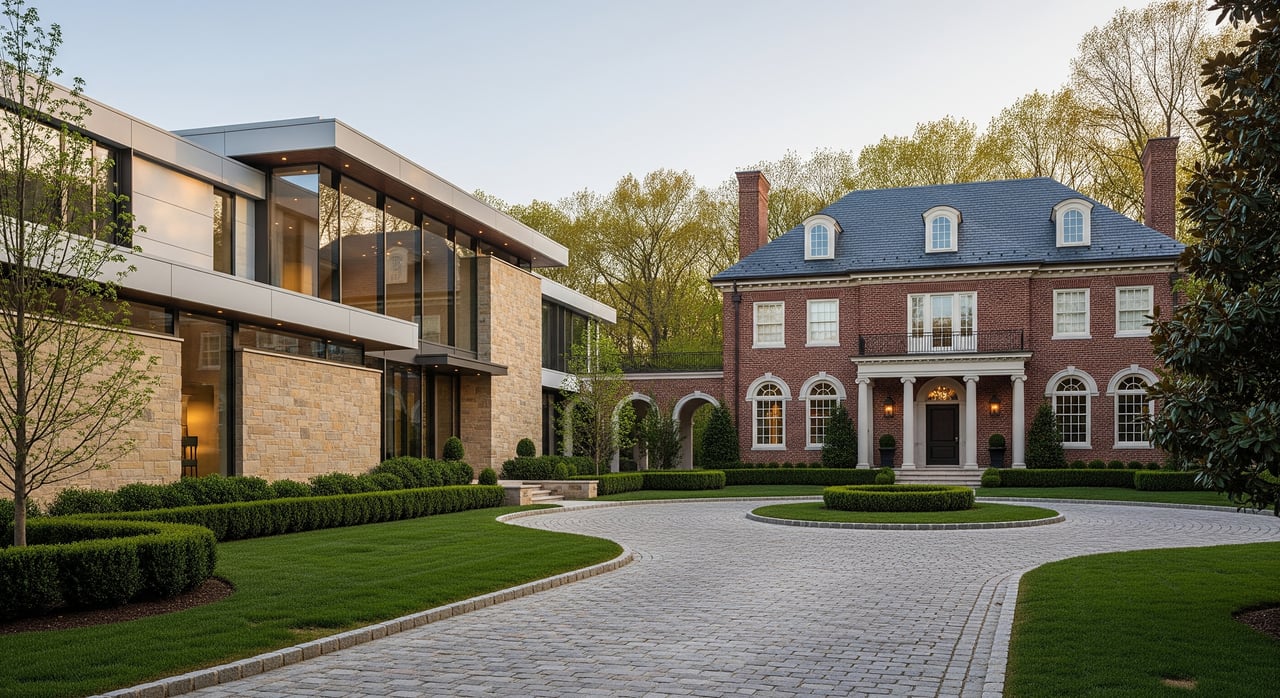
Classic estates may feature period or custom architecture, unique craftsmanship, and established streetscapes. New builds typically deliver open layouts, higher ceilings, and modern materials. Some new homes echo neighborhood character, while others lean contemporary.

Before you commit, review any covenants or design restrictions that could affect exterior changes and resale. Ask your agent to benchmark neighborhood scale and style preferences so your home aligns with local demand.

Customization and timing

If you buy early in a new-home timeline, you may select floor-plan options, finishes, and upgrades through a builder design process. Custom homes allow you to specify almost everything, but they add time and cost. For an existing estate, you can move in quickly, then remodel to taste on your schedule.

Questions to ask:

  • What are the standard specifications and what counts as an upgrade?
  • How are change orders priced and how long do selections take?
  • What warranty coverage applies and how are claims handled? For typical structures and best practices, review guidance from the National Association of Home Builders.

Maintenance and inspections

Older estates often carry near-term maintenance needs, such as roofs, windows, HVAC, and landscaping. New construction usually reduces maintenance in the early years, though punch-list items and minor defects can surface as the home settles.

Regardless of age, order independent inspections. For older homes, schedule specialized reviews for roof, chimney, electrical, plumbing, and potential environmental issues when indicated. For new builds, add pre-drywall and pre-closing inspections in addition to the builder’s walk-through. The Consumer Financial Protection Bureau offers inspection and mortgage guidance.

Energy efficiency and operating costs

New construction benefits from current code requirements, better insulation, tighter building envelopes, efficient HVAC, and modern windows. Many new builds include heat pumps, high-efficiency water heaters, and smart controls that can lower utility costs. Classic estates can be upgraded, but retrofits like insulation, window replacements, and electrical work require planning and budget.

You may qualify for incentives. Explore the federal residential clean energy credit through the IRS resource on residential energy credits and search Virginia programs using DSIRE’s incentives database.

HOAs, covenants, and control

Many new developments and attached or cluster communities include HOAs that govern exterior appearance and community standards. Dues, amenity access, and rules vary widely. Classic estates in older neighborhoods may have no HOA or looser civic associations, though some estate enclaves maintain strict covenants.

Review before you write an offer:

  • CC&Rs, bylaws, budgets, reserve studies, special assessment history, and meeting minutes.
  • Rules affecting pools, fences, landscaping, exterior materials, and additions.
  • Guidance from the Community Associations Institute on common HOA topics.

Commute, access, and daily convenience

In McLean, micro-location has real impact. Homes closer to Tysons, Silver Line stations, and major roads can ease your commute and daily errands. Estate homes may offer privacy but sit farther from transit and commercial nodes. Test-drive routes at rush hour, map school and activity commutes, and confirm emergency services response times for each address.

Financing, taxes, and insurance

New construction can require different financing structures, including construction-to-permanent loans for custom builds. With McLean price points, many purchases may exceed conforming loan limits, which means exploring jumbo options. If you plan to renovate a classic estate, discuss loan programs that finance improvements, such as certain conventional renovation products.

Property taxes are based on assessed value, and a new or substantially renovated home can trigger reassessment. Review current rates and policies through the Fairfax County Department of Tax Administration. Insurance costs can vary by age of systems, roof condition, materials, and site-related risks.

Resale dynamics in McLean

Buyers in McLean often value larger lots, privacy, and access to high-quality schools, which can favor classic estates. At the same time, many buyers prize modern floor plans, energy efficiency, and low-maintenance living, which supports demand for well-executed new builds.

If you are looking at an older home, prioritize upgrades with strong buyer appeal, such as kitchens, primary baths, systems replacement, and energy improvements. For new homes, evaluate how the design fits the neighborhood scale, the school zone, and proximity to transit to support long-term resale.

A simple decision framework

Use this checklist to compare specific homes, side by side.

Priorities and lifestyle:

  • Do you want larger lot size and mature landscaping, or a turnkey layout with minimal upkeep?
  • Is immediate move-in essential, or can you wait for construction or a remodel?

Site and neighborhood due diligence:

Cost and financing:

  • Get lender preapproval early. Discuss construction-to-permanent loans for custom builds and renovation financing for upgrades.
  • For existing estates, price near-term capital items like roof, HVAC, windows, electrical panel, and drainage work.
  • Request recent utility bills for existing homes and energy specifications for new ones.

Contracts and legal terms:

  • For builders, review specs, allowances, change-order pricing, completion timeline, and warranty terms. See NAHB for general warranty structures.
  • For HOAs, examine budgets, reserve studies, meeting minutes, and modification rules with CAI guidance.

Inspection plan:

  • Schedule a full inspection for any home. Add pre-drywall and pre-closing inspections for new builds. See CFPB advice on inspections and homebuying.
  • Consider radon, mold, septic, or structural specialists when indicated by age, materials, or site conditions.

Energy and future-proofing:

  • Ask for HERS scores if available, system efficiencies, and insulation specs.
  • Check eligibility for the IRS clean energy credit and search Virginia programs on DSIRE.

Resale and market fit:

  • Compare comps that reflect lot size, architecture, school zone, and transit proximity.
  • Think about the next buyer’s profile and what features will matter most in 5 to 10 years.

Sample questions to ask sellers, builders, and HOAs:

  • What is included in the base price and what are typical upgrade costs?
  • What are the warranty terms and how are claims handled?
  • Are special assessments planned or under discussion?
  • When were major systems last replaced? Are permits on file?
  • Have there been drainage or water-intrusion issues?

How Falcone Real supports your search

Choosing between new construction and a classic estate in McLean is not just about a floor plan or a façade. It is about aligning your lifestyle, budget, and timeline with the right property and the right location. With long-term local insight and a client-first approach, our team helps you compare homes, decode builder specs and HOA documents, coordinate inspections, and plan for financing and resale.

When you are ready to see how each option stacks up on your shortlist, reach out. We will structure showings, gather the right documents, and guide you through a confident decision.

Ready to explore McLean’s best options for your goals? Connect with Falcone Real to schedule a consultation.

FAQs

What should I know about McLean new-construction warranties?

How do inspections differ for a classic McLean estate vs. a new build?

  • Older estates often need specialty inspections in addition to a general inspection, while new homes benefit from pre-drywall and pre-closing third-party checks per CFPB best practices.

How can I evaluate HOA rules for a McLean property?

Are there energy incentives that apply to Virginia homes?

  • Yes. Check the federal residential clean energy credit on the IRS site and search Virginia-specific programs using DSIRE.

What should I consider about taxes when comparing homes in McLean?

How does commute convenience vary across McLean neighborhoods?

Living & Working in McLean, VA: Pros & Cons (Local Guide)
Michael Falcone headshot placeholder
By Michael Falcone • Updated Aug 18, 2025
Home â–¸ Guides â–¸ McLean, VA
Local Guide

Living & Working in McLean, VA: The Real Pros & Cons

Reading time: 8–10 mins Region: McLean, Tysons, Great Falls corridor
Tree‑lined street and elegant homes in McLean, VA (placeholder)

McLean blends quiet, tree‑canopied neighborhoods with fast access to Tysons, DC, and the George Washington Parkway. It’s where privacy and proximity meet—if you know which streets to target.

Pros (Why people choose McLean)

  • Proximity without the city noise. Minutes to Tysons, 15–25 minutes to DC in off‑peak via GW Parkway; quick access to I‑495, Route 123, and Route 7.
  • Top‑tier public schools. Many neighborhoods feed into highly rated FCPS pyramids; competitive private options nearby.
  • Lot size & privacy. Mature trees, larger lots than Arlington or Alexandria; pockets with estate‑style settings.
  • Safety & prestige. Quiet streets, well‑kept homes, and a refined, low‑key feel.
  • Outdoor access. Great Falls Park, Scott’s Run, and Langley Oaks trails are weekend staples.
  • Dining & retail upgrades. Tysons Corner Center, Tysons Galleria, and a growing fine‑dining scene within a 10‑minute radius.

Cons (The trade‑offs)

  • Peak‑hour traffic. GW Parkway, Chain Bridge, Route 123, and Route 7 bottlenecks can add significant time.
  • Price point. Premium land values; new builds and renovated homes command high multiples.
  • Walkability varies. Some pockets are car‑dependent; sidewalks aren’t universal on interior streets.
  • Older housing stock in core McLean. Many 1960s–1980s homes need updates; tear‑down activity is common.
  • Metro access is nearby—but not everywhere. Silver Line stations sit mainly in Tysons; plan for a short drive or bike unless you’re very close to the McLean station area.
Local note: If your commute depends on Chain Bridge or the GW Parkway, your exact street matters. Two similar addresses can mean a 10‑ to 20‑minute difference during peak.

Neighborhood snapshots (insider quick‑takes)
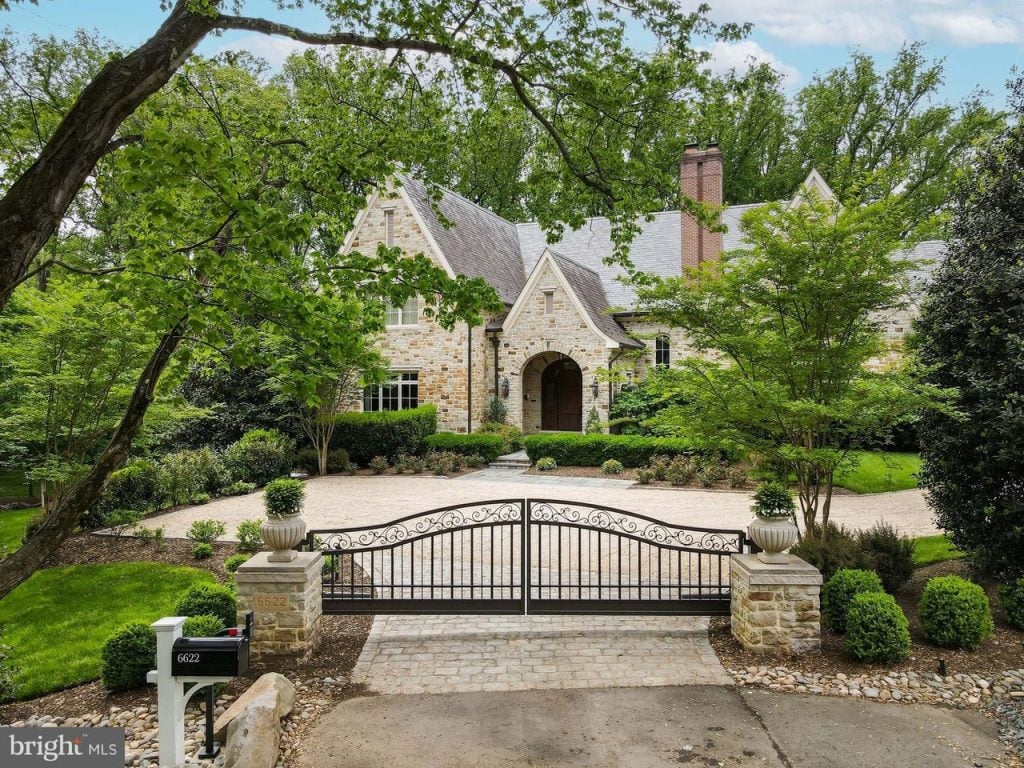
Langley area streetscape (placeholder)

Langley / Chain Bridge Road Estate lots

Leafy, quiet, and close to GW Parkway. Popular for privacy, proximity to DC, and access to scenic trails.
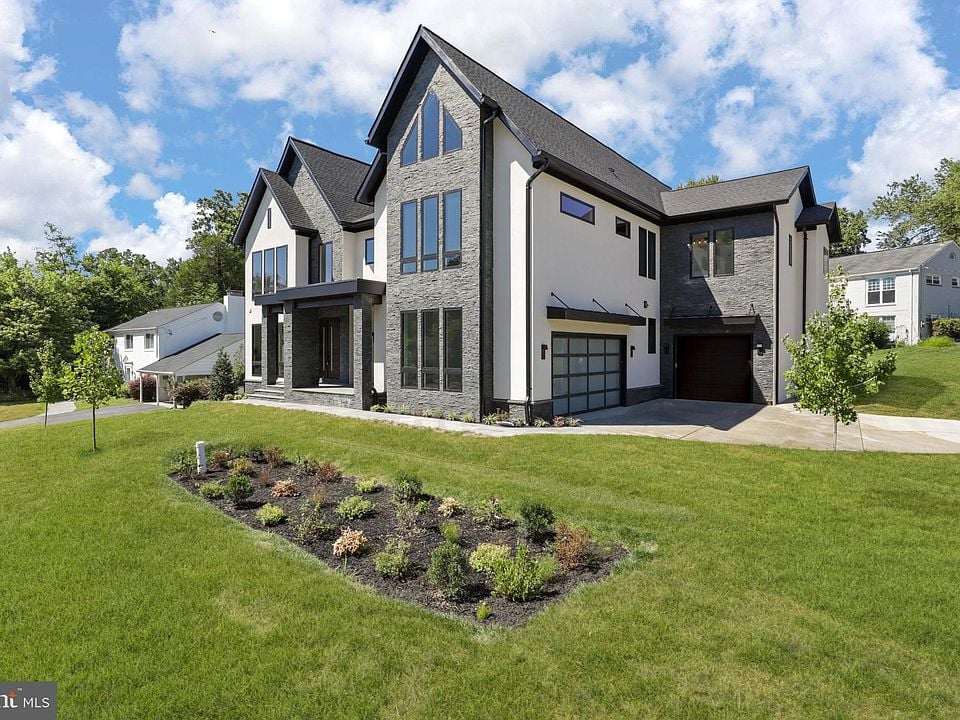
West McLean sidewalk scene (placeholder)

West McLean Convenience

Near central McLean shops and dining; mix of renovated ramblers and new builds. Sidewalk coverage is better here.
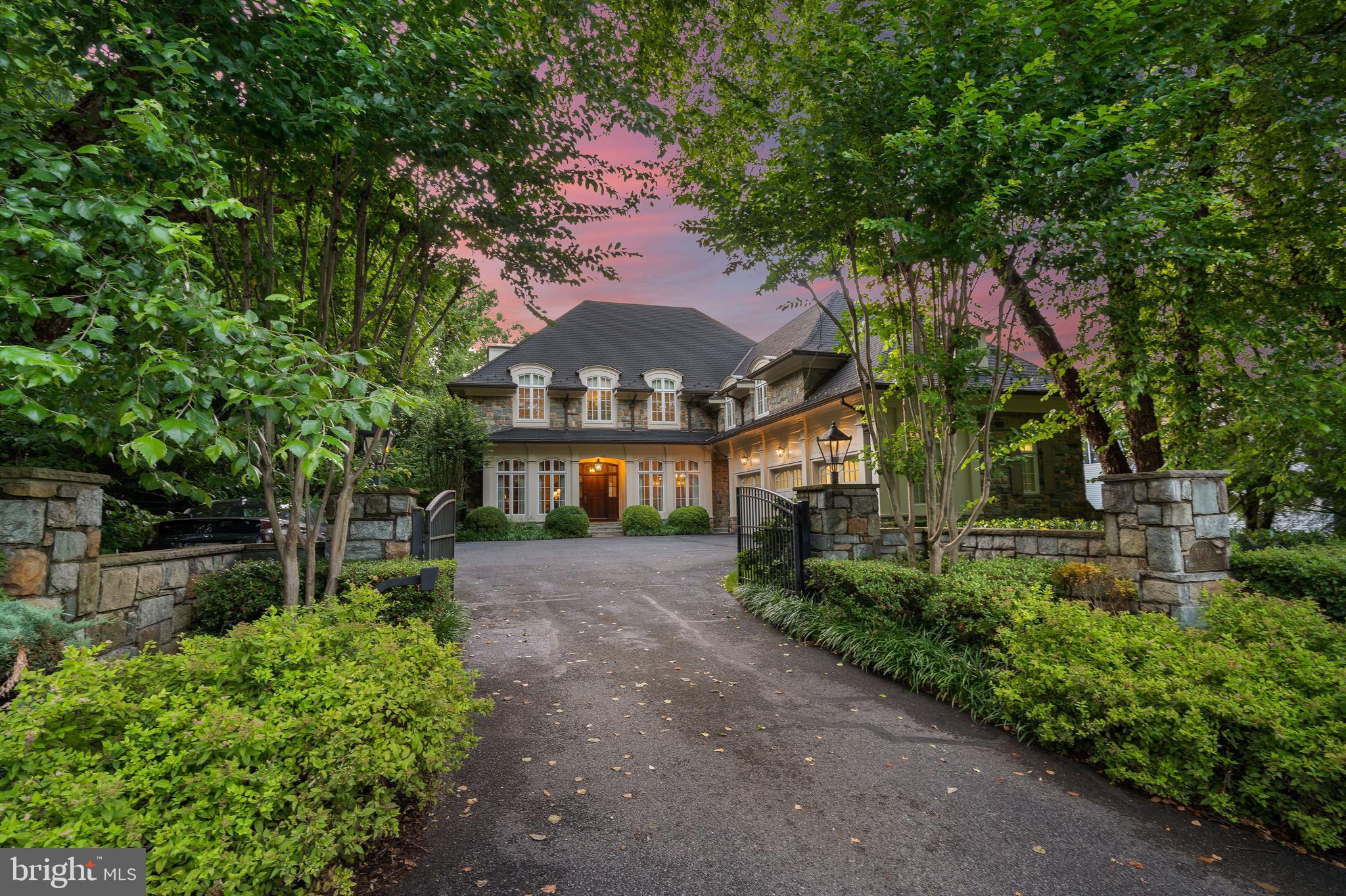
Salona Village home (placeholder)

Salona Village Walkable pockets

Coveted for proximity to downtown McLean and parks; premium for updated homes on larger lots.

Lewinsville area (placeholder)

Lewinsville / Chesterbrook School focus

Streets with a neighborhood feel, strong school pyramids, a CLub and Pool, and quick access toward Tysons and Arlington.
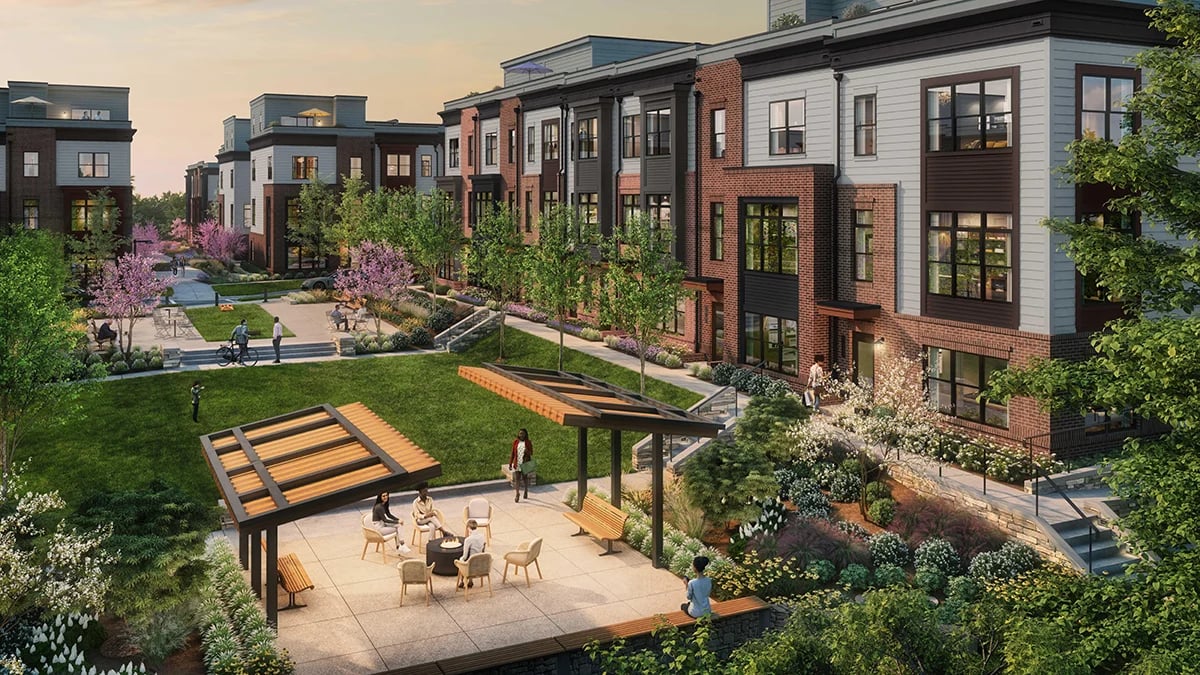
Tysons fringe townhomes (placeholder)

Tysons Fringe Urban access

Townhomes and newer builds within a short hop to Silver Line stations and luxury retail.
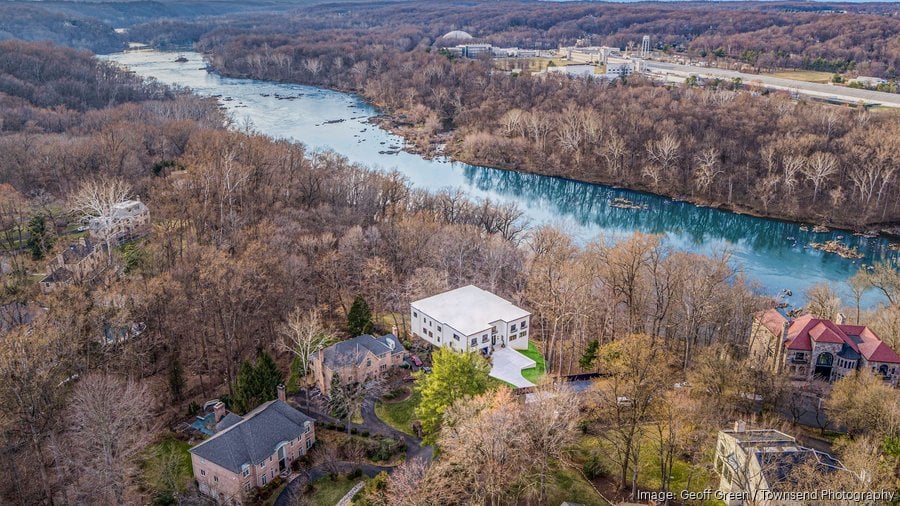
River Oaks area (placeholder)

River Oaks / Potomac side Scenic

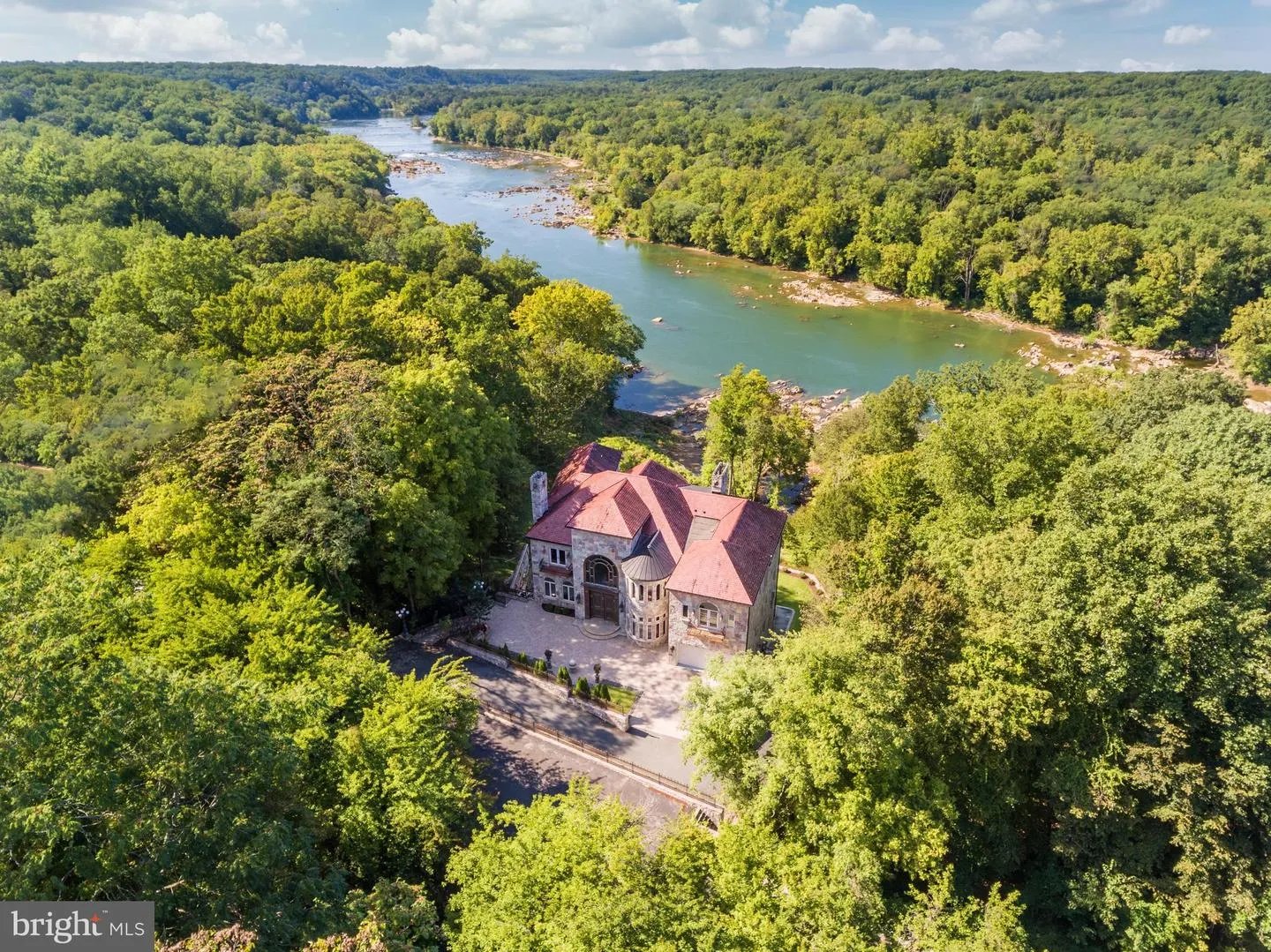
Near Scott’s Run and the river; serene streets and a nature‑first vibe. Limited retail—by design.

Commute & transit

  • Fast routes off‑peak: GW Parkway to DC (Chain Bridge/Memorial Bridge), I‑495 to Maryland or Dulles tech corridor.
  • Metro (Silver Line): Stations at McLean, Tysons Corner, Greensboro, Spring Hill. Most McLean addresses are a short drive or bike away.
  • Peak tips: Depart before 7:15am or after 9:15am for DC‑bound trips; in the evening, watch Route 7/123 merges near Tysons.
  • Airport access: DCA via GW Parkway; IAD via Dulles Toll Road or I‑495 express lanes.
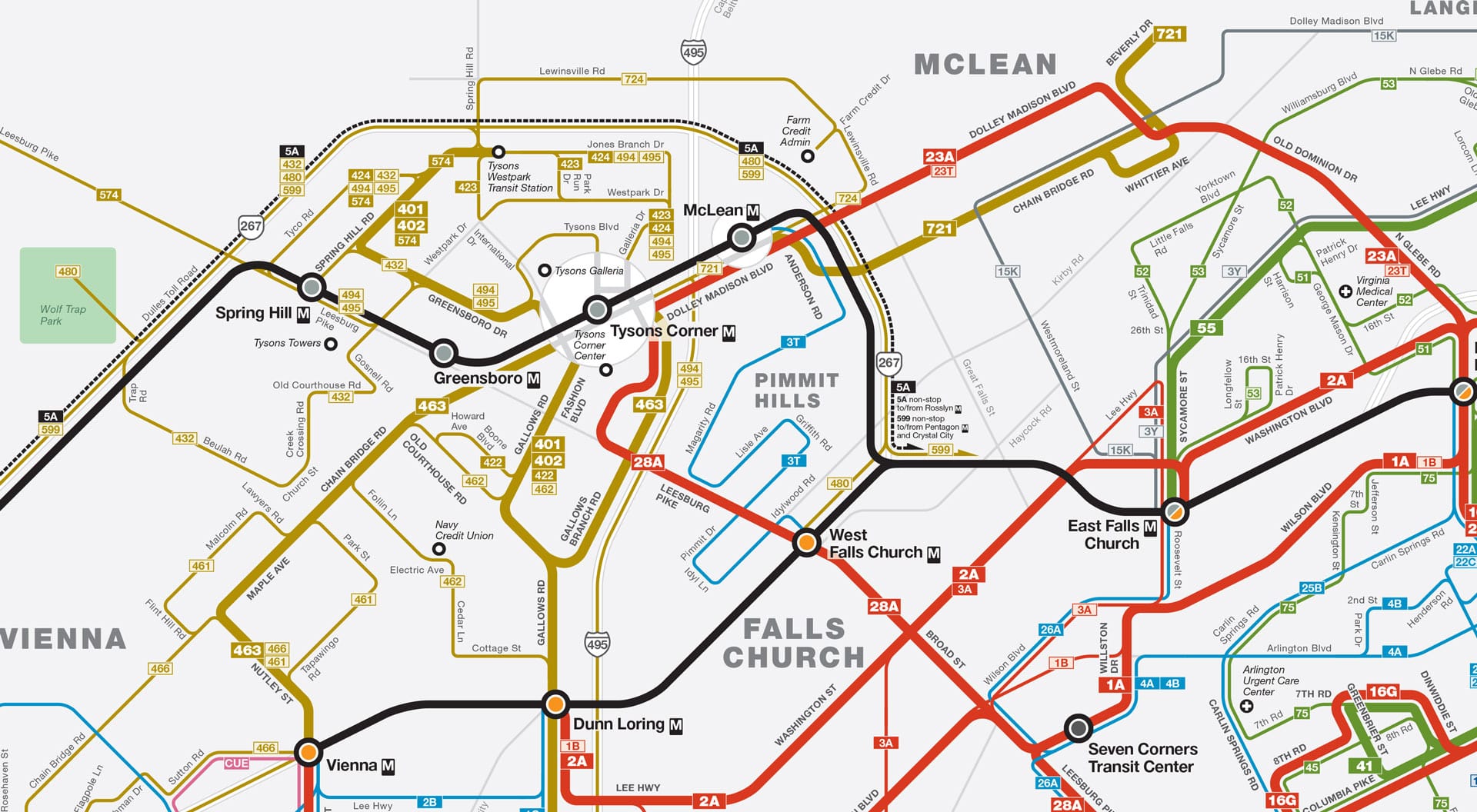
Simplified commute map: McLean to DC, Tysons, airports (placeholder)

Schools (public & private)

Many McLean neighborhoods feed into sought‑after Fairfax County Public Schools pyramids. Several respected private schools are within a 15–25 minute radius. Admissions and boundaries change—verify for your specific address.

Local check: Before you bid, plug the address into the FCPS boundary tool and call the school office to confirm future‑year assignments.

Lifestyle: dining, parks & weekends

  • Dining: Elevated options cluster in Tysons Galleria and along Route 123/7; downtown McLean offers neighborhood favorites and low‑key gems.
  • Parks & trails: Great Falls Park, Scott’s Run Nature Preserve, Clemyjontri Park, and Langley Oaks. Many streets back to parkland—ask about trail cut‑throughs.
  • Retail: Luxury shopping at Tysons Galleria; everyday errands in central McLean. Expect ongoing enhancements along the Tysons corridor.

Costs & housing types

McLean skews higher than neighboring markets due to land value and lot sizes. You’ll find:

  • Renovated 1960s–80s colonials and ramblers on established streets.
  • New‑build luxury homes and curated infill projects (tear‑downs common).
  • Townhomes and condos closer to Tysons for a lower‑maintenance lifestyle.
Buyer tip: Premiums track lot characteristics: usable rear yard, tree canopy, topography, and street quietness. Two similar homes can appraise differently based on these subtleties.

Agent tips (street‑level insights)

  • Mind the cut‑throughs. Some streets feel busier during school drop‑off/commute windows; tour at those exact times.
  • Test your commute. Drive your actual route at your actual hours before you write.
  • Inspect the trees. Mature canopy is a signature here—evaluate health, root systems, and drainage around the foundation.
  • Plan for permits. Renovations and tear‑downs are common; build in time for Fairfax County reviews.
  • Sidewalks & safety. If walkability is key, shortlist West McLean/Salona pockets and verify sidewalk continuity on your block.

FAQs

Is McLean good for commuters?

Yes—especially if you leverage the GW Parkway and avoid peak bottlenecks. Silver Line stations nearby add flexibility.

How competitive is the market?

Turn‑key properties in prime pockets move quickly. Pre‑inspection, strong terms, and flexible post‑occupancy can help.

Which areas are most walkable?

Look around downtown McLean, West McLean, and select pockets near schools and parks. Tysons‑fringe townhomes are walkable to retail and Metro.

Michael Falcone headshot placeholder small

Thinking about McLean?

I tour these streets weekly and track off‑market inventory. Let’s refine your shortlist by commute, school path, and street‑level quiet.
Primary logo placeholder Secondary logo placeholder
© Michael Falcone • All rights reserved • Privacy

Work With Michael

Contact Michael today to learn more about his unique approach to real estate, and how he can help you get the results you deserve.

Follow Me on Instagram