If you have started comparing Fairfax neighborhoods, you have probably noticed something right away: Fairfax is not one-size-fits-all. Some areas center on historic streets and easy walking, while others offer established residential pockets, mixed-use convenience, or larger lots with a quieter feel. This guide will help you sort through those differences so you can better match your daily routine, housing goals, and lifestyle priorities to the right part of Fairfax. Let’s dive in.
Fairfax Is Really Two Overlapping Markets
One of the most helpful ways to understand Fairfax is to think of it as two connected markets. You have the independent City of Fairfax, which covers about six square miles, and you also have nearby Fairfax County communities that share the Fairfax name, major roads, and commuting patterns.
That matters because “Fairfax” can describe very different living experiences. The city includes recognized neighborhoods such as Country Club Hills, Fairchester Woods, Fairfax Towne Estates, Fair Oaks, Mosby Woods, and Providence, while Fairfax County describes its broader neighborhoods as ranging from urban and suburban to still-rural settings.
For you as a buyer or seller, that means neighborhood comparisons should focus less on one broad label and more on how each area functions day to day. Commute style, housing pattern, access to parks, and the overall built environment can vary quite a bit across the Fairfax area.
Old Town Fairfax Offers History And Walkability
Old Town Fairfax is the clearest historic core in the area. The city notes that it is listed on the National Register of Historic Places and overlaps the local Old Town Fairfax Historic Overlay District, with buildings dating back to the period when the city was still the Town of Providence.
What sets Old Town apart is how strongly it is organized around walking and public life. The street grid, older architecture, and concentration of shopping, dining, and entertainment give this area a more traditional downtown feel than most surrounding neighborhoods.
The city’s walking tour highlights landmarks and civic destinations such as the Fairfax County Courthouse, Old Town Hall, the Fairfax Museum and Visitor Center, and Historic Blenheim. Public art and restored garden space add to the sense that this part of Fairfax is designed to be experienced on foot.
Planning efforts also reinforce that direction. The approved Old Town Small Area Plan calls for a stronger pedestrian precinct, an arts walk, and a shared-use path connecting Old Town to George Mason University and Northfax.
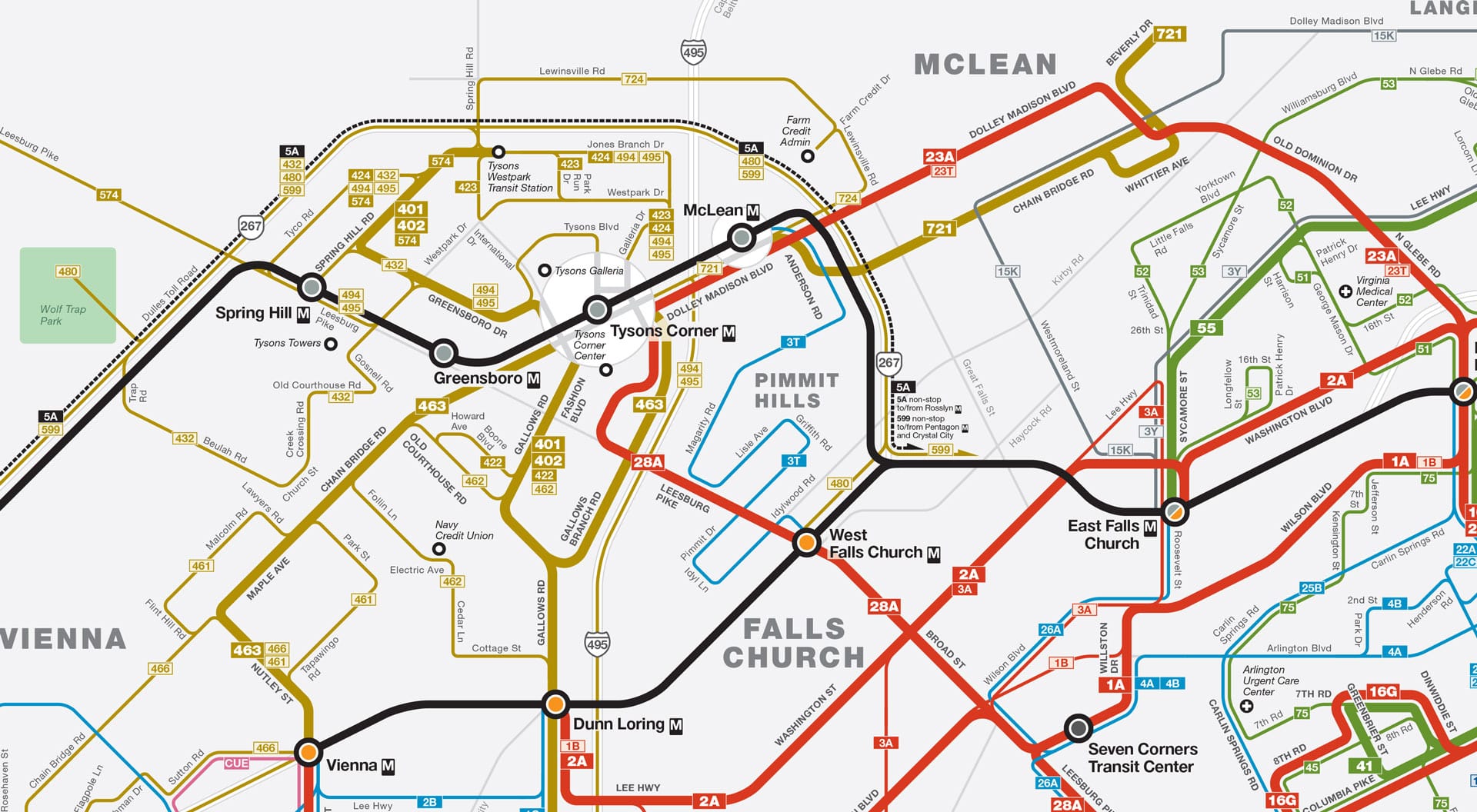
Transit support helps too. The free CUE Bus links Old Town with George Mason University, the Vienna/Fairfax-GMU Metrorail Station, shopping centers, parks, schools, and other local destinations.
Who Old Town May Fit Best
Old Town can make sense if you want:
- Historic character
- A more walkable setting
- Easy access to restaurants, arts, and civic spaces
- Local transit connections to major destinations
If your ideal neighborhood includes a lively core and a stronger sense of place, Old Town often stands out first.
Established City Neighborhoods Feel More Residential
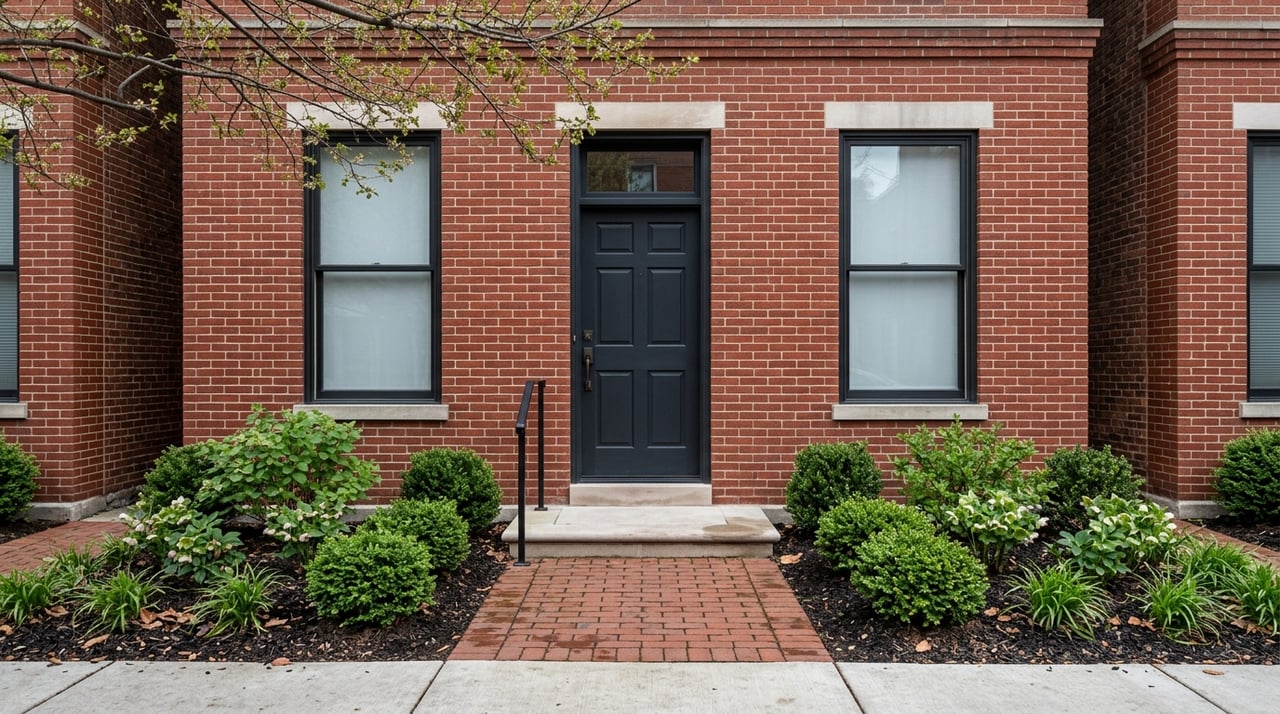
Outside Old Town, the City of Fairfax shifts into a more neighborhood-based pattern. Recognized city neighborhoods such as Country Club Hills, Fairchester Woods, Fairfax Towne Estates, and Mosby Woods reflect a built-out residential fabric instead of a single master-planned model.
The city’s Neighborhood Renaissance program also points to a mix of housing types in these areas, including owner-occupied single-family detached homes, townhouses, duplexes, and condominiums. That variety can be useful if you want a city address but need flexibility in home style or price point.
These neighborhoods tend to feel more residential and local in everyday use. Rather than centering on a historic commercial district, they are often shaped by nearby parks, community amenities, and lower-stress local circulation.
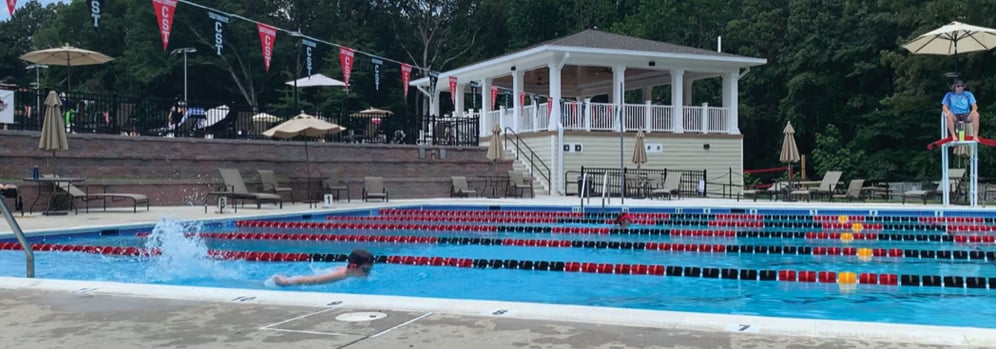
The recreation pattern is neighborhood-scaled. The city lists private community pools for Country Club Hills and Mosby Woods, and Fairchester Woods Park includes a basketball court, paved trail, picnic tables, and a playground.
On a broader level, the City of Fairfax says it has more than 258 acres of parkland across 25 parks and 28 miles of trails. That park and trail network helps explain why many of these areas feel connected and livable without needing the intensity of downtown-style activity.
Why Buyers Consider These Areas
These established city neighborhoods often appeal to buyers who want:
- A residential setting within the City of Fairfax
- Mature neighborhood character
- Access to parks and trails
- A mix of housing options
- Useful transit connections without living in the busiest part of town
The CUE Bus still connects many of these neighborhoods to George Mason University, Vienna Metro, and other city destinations. So even when they are not fully walk-to-everything areas, they can still support a more car-light routine than some outer suburban locations.
Mantua Brings Close-In Suburban Living
Mantua offers a different kind of Fairfax-area experience. Located just east of the City of Fairfax, this community is described by Fairfax County as almost completely developed, with most residential construction dating from about 1950 to 1970.
The dominant housing pattern is single-family detached homes. The county also notes two townhouse subdivisions and several multifamily developments along major corridors, which adds some variety around the edges of the community.
In practical terms, Mantua tends to feel like a mature close-in suburb. It is more about established residential streets and corridor access than about a central walkable district.
Fairfax County identifies neighborhood-serving retail on Little River Turnpike and notes institutional uses near the Inova Fairfax Hospital complex and nearby corridors. For many buyers, that means Mantua can offer a residential base with everyday conveniences nearby, even if the neighborhood experience is still largely car-oriented.
What Daily Life Feels Like In Mantua
Mantua may be worth a closer look if you prefer:
- Established suburban housing stock
- A primarily detached-home setting
- Close-in access to major roads like Route 50 and Route 236
- A neighborhood feel that is steady and built-out
This is often a better fit for buyers focused on classic suburban structure rather than mixed-use density or historic downtown energy.
Fair Lakes Focuses On Mixed-Use Convenience
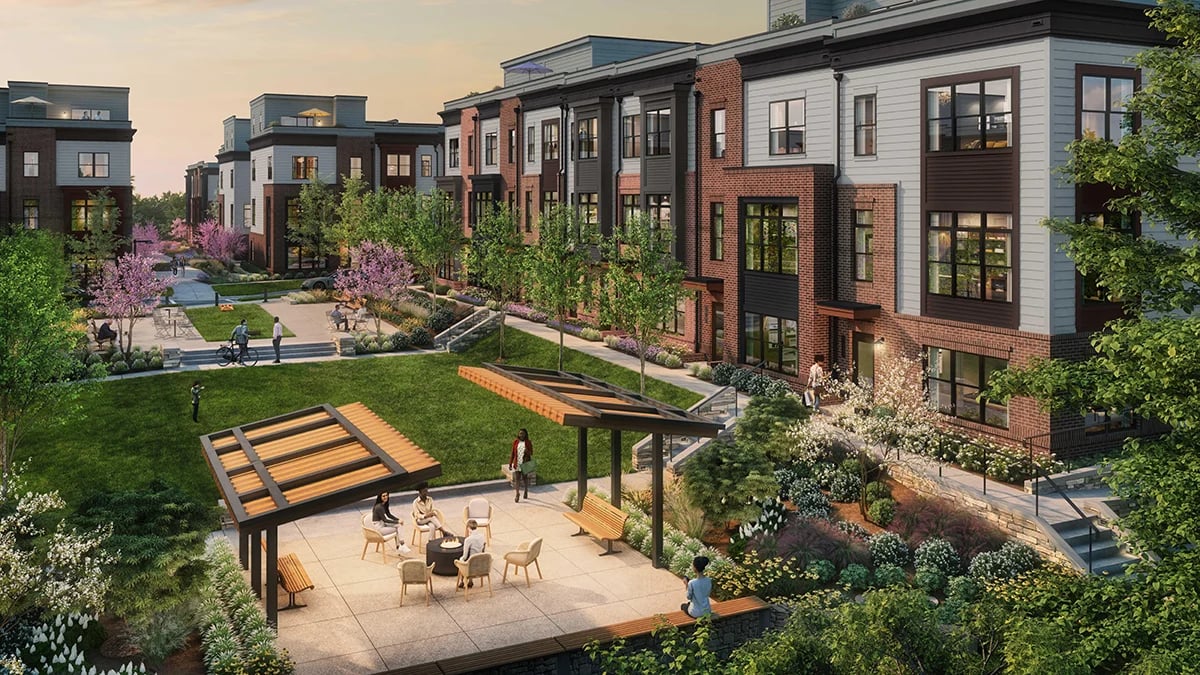
If Old Town represents historic walkability and Mantua represents mature suburban living, Fair Lakes is the clearest example of a planned mixed-use center in the Fairfax area. Fairfax County says the area has evolved since its initial development in 1984 from a suburban office park into a district with office, residential, and retail components.
The county also points to trails, lakes, parks, plazas, treed areas, and extensive landscaping as part of the community pattern. This gives Fair Lakes a more intentionally planned feel than many older neighborhoods nearby.
Retail remains a major part of the area’s identity. Fairfax County identifies Fair Lakes Center and the Shoppes at Fair Lakes as major anchors, while planning guidance emphasizes future pedestrian-friendly redevelopment and a stronger sense of place.
Commuting and circulation work differently here than in Old Town. Fair Lakes is built more around major road access and regional movement, but trail planning also connects the nearby Fairfax Corner and Fair Lakes area to the Monument Drive commuter garage and transit center.
Why Fair Lakes Appeals To Some Buyers
Fair Lakes often attracts people who prioritize:
- Mixed-use convenience
- Strong retail access
- A planned community feel
- Hybrid road and transit connections
- Residential options near commercial destinations
If your routine depends on easy errands, commuter flexibility, and access to multiple services in one general area, Fair Lakes can be a practical comparison point.
Fairfax Station Offers Space And Privacy
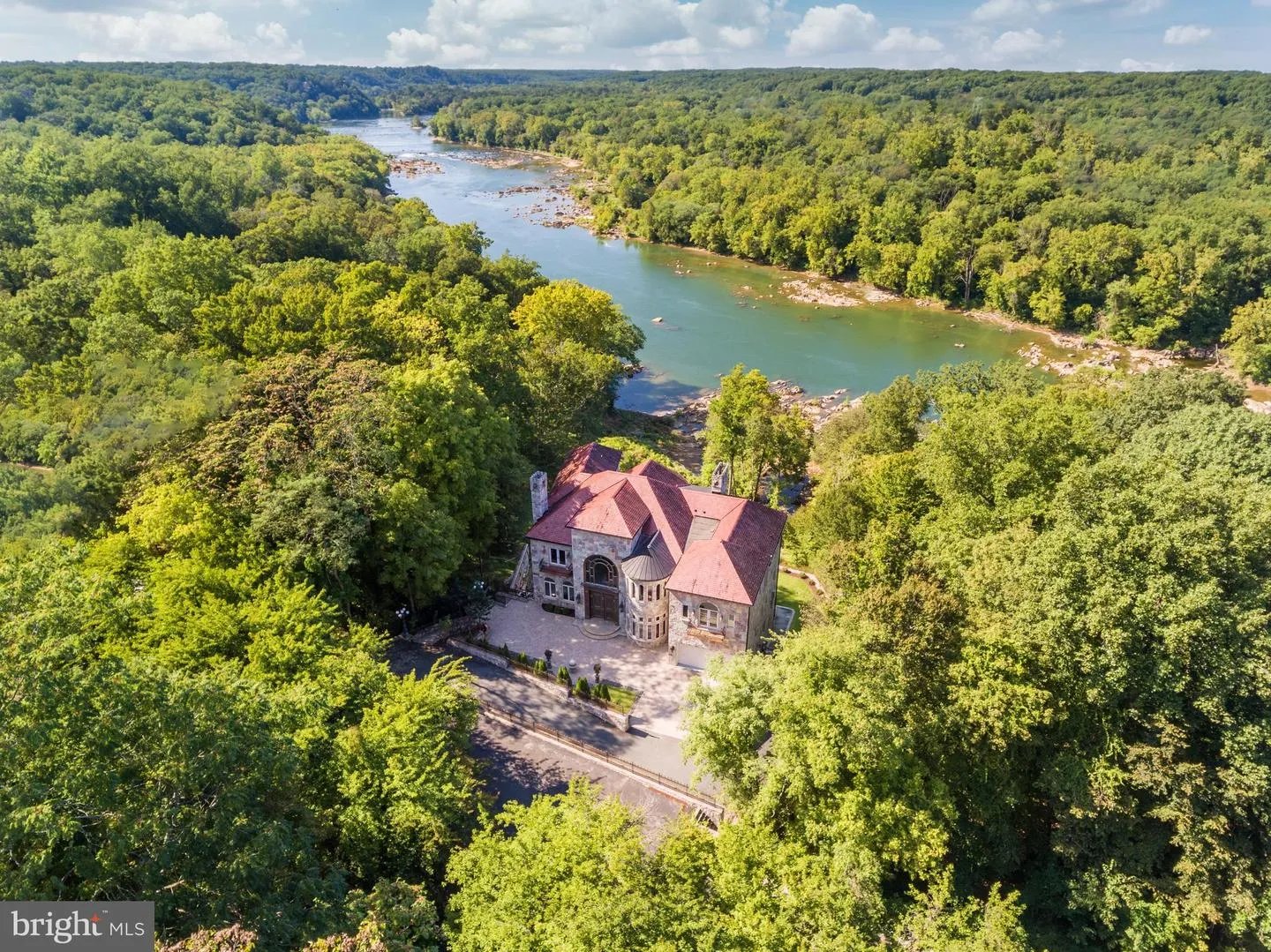
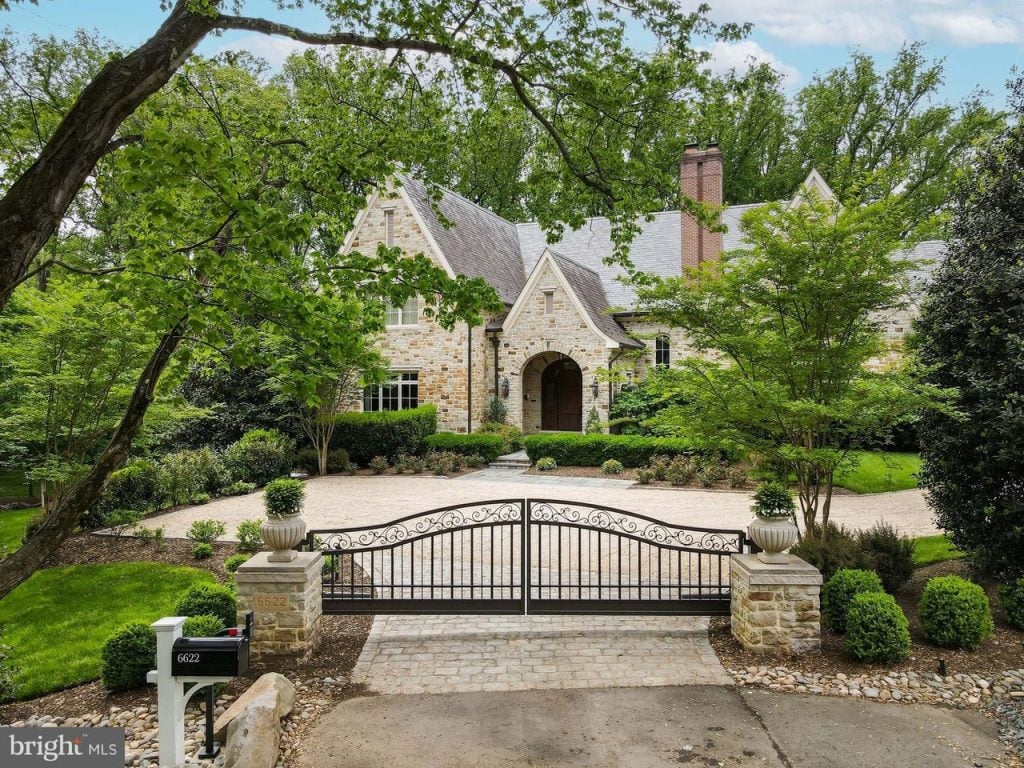
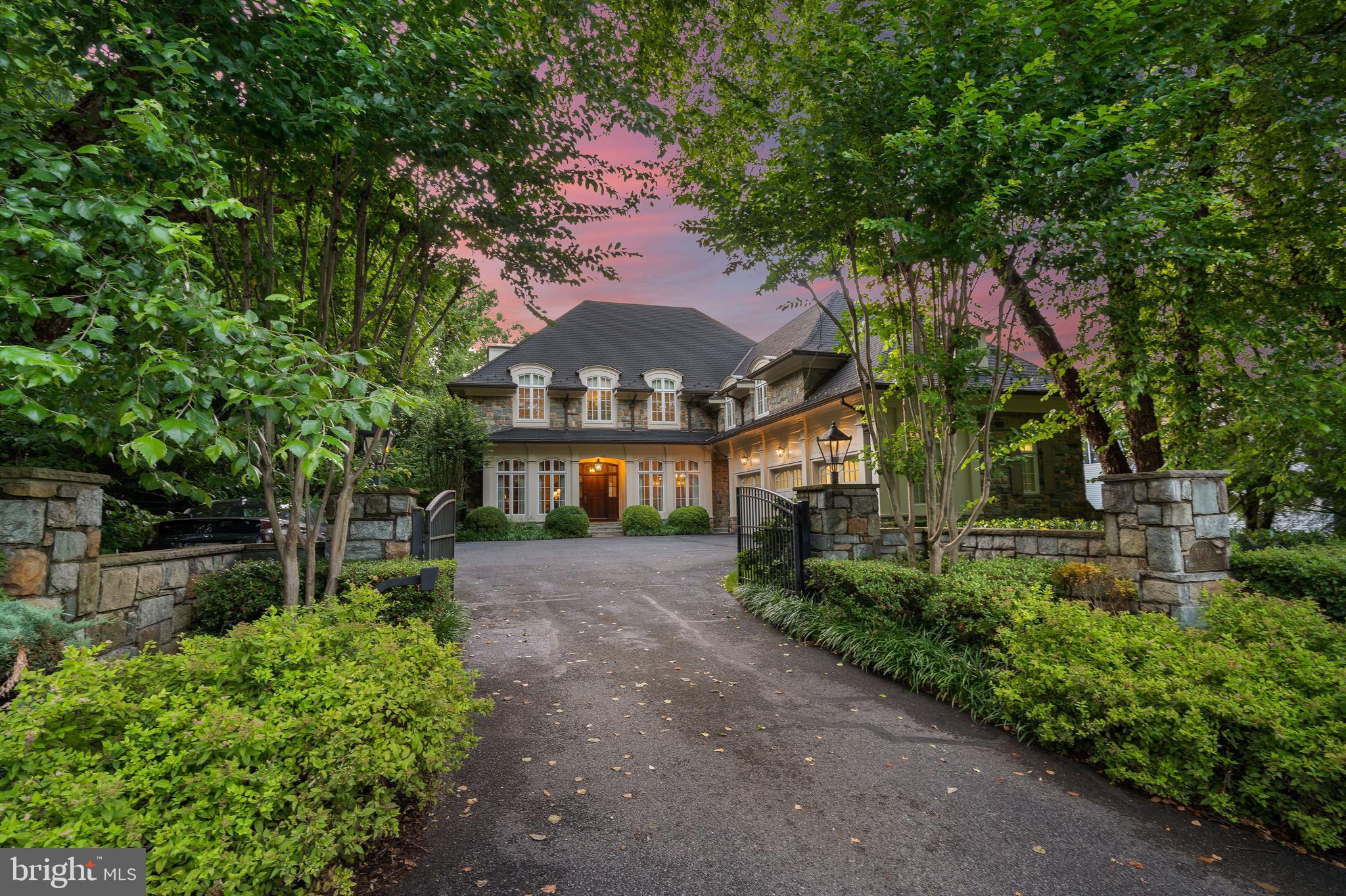
For a very different lifestyle, Fairfax Station and the southwest county stand apart from the city core and mixed-use hubs. Fairfax County planning documents for the broader Pohick area describe it as primarily residential, with the western portion developed at much lower density.
In parts of the Occoquan Reservoir watershed, the county describes typical development as single-family houses on five-acre lots, with planned density in some areas at just .1 to .2 dwelling units per acre. That is a major contrast with the tighter pattern you see in Old Town or the more compact convenience of Fair Lakes.
The road network also shapes everyday life here. The county notes access through routes such as Clifton Road, Fairfax Station Road, Colchester Road, Popes Head Road, and Route 123.
This part of Fairfax is generally more car-dependent than the city core. The county notes VRE access in the broader district at Burke Centre and west of Rolling Road, but the overall pattern remains much more oriented toward driving and lower-density living.
What balances that out is access to outdoor recreation. Burke Lake Park is located in Fairfax Station and spans 888 acres, with a 4.7-mile lake trail, boating, fishing, camping, picnicking, a miniature train, and a carousel.
When Fairfax Station May Be The Right Fit
Fairfax Station often stands out if you want:
- More land and privacy
- Lower-density residential surroundings
- A quieter, estate-like feel
- Strong access to large outdoor recreation areas
If your priority is space over walkability, this part of the market can look very different from the rest of Fairfax.
How To Compare Fairfax Neighborhoods
The best Fairfax neighborhood for you usually comes down to how you want your day to work. A shorter walk to dining and civic spaces, easier access to trails, simpler road connections, or more private surroundings can each point you toward a different area.
Here is a simple way to think about the tradeoffs:
- Old Town Fairfax: history, walkability, dining, arts, transit connections
- Established city neighborhoods: mature residential pockets, parks, pools, trails, city address
- Mantua: close-in suburban setting, older detached homes, corridor access
- Fair Lakes: mixed-use convenience, retail anchors, planned environment, hybrid commuting options
- Fairfax Station: larger lots, privacy, lower density, outdoor recreation
That is why Fairfax is less about finding one “best” neighborhood and more about finding the right match. Your ideal area depends on whether you value historic character, neighborhood amenities, convenience, or space most.
If you are preparing to buy or sell in Fairfax, a clear neighborhood strategy matters. The right advice is not just about market data. It is also about understanding how each area lives, moves, and competes.
When you want local guidance with a practical, client-first approach, Falcone Real can help you evaluate Fairfax neighborhoods, position your home effectively, and make a confident move.
FAQs
What makes Old Town Fairfax different from other Fairfax neighborhoods?
- Old Town Fairfax stands out for its historic district status, pedestrian-oriented layout, local landmarks, and planned improvements focused on walkability, arts, and shared-use connections.
How do City of Fairfax neighborhoods differ from Fairfax County communities?
- City of Fairfax neighborhoods tend to center on a compact city setting with established residential pockets, parks, trails, and CUE Bus access, while Fairfax County communities tied to Fairfax can range from close-in suburban areas to lower-density residential settings.
Is Fair Lakes considered a walkable part of Fairfax?
- Fair Lakes is better described as a mixed-use, pedestrian-friendly district with strong road access, retail anchors, and trail connections rather than a traditional historic walkable downtown.
What kind of housing pattern does Mantua have in the Fairfax area?
- Fairfax County describes Mantua as an almost completely developed community with most housing built between 1950 and 1970, led by single-family detached homes with some townhouse and multifamily development along major corridors.
Why do buyers look at Fairfax Station in Fairfax County?
- Buyers often consider Fairfax Station for its lower-density setting, larger-lot development pattern in parts of the area, more private feel, and access to outdoor destinations such as Burke Lake Park.