
Search

Leave a Message

By providing your contact information to Falcone Real, your personal information will be processed in accordance with Falcone Real's Privacy Policy. By checking the box(es) below, you consent to receive communications regarding your real estate inquiries and related marketing and promotional updates in the manner selected by you. For SMS text messages, message frequency varies. Message and data rates may apply. You may opt out of receiving further communications from Falcone Real at any time. To opt out of receiving SMS text messages, reply STOP to unsubscribe.

Thank you for your message. I will be in touch with you shortly.

Browse Properties
Understanding Lot Size And Privacy When Buying In Oakton

Understanding Lot Size And Privacy When Buying In Oakton

Buying in Oakton can feel simple until you start comparing lots. One home may sit on a half acre and feel surprisingly exposed, while another on a smaller parcel feels quiet, tucked away, and far more private. If privacy matters to you, it helps to look beyond the raw lot number and understand how Oakton’s land patterns, tree cover, street layout, and terrain shape everyday living. Let’s dive in.

Why lot size means different things in Oakton

Oakton is not a one-size-fits-all lot market. According to Fairfax County planning documents for the Oakton/Fairfax sector, the area includes older detached neighborhoods, townhouse communities, and apartment concentrations, each with very different development patterns.

In practical terms, detached neighborhoods are generally described at 1 to 3 dwelling units per acre, townhouse areas at 5 to 12 dwelling units per acre, and apartment areas at 20 or more dwelling units per acre. That range helps explain why your experience in Oakton can change quickly from one pocket to the next.

This is why lot size should be treated as a starting point, not a final answer. A larger lot may offer more separation, but privacy often depends on how that lot sits on the land and what surrounds it.

Oakton has several lot patterns

Fairfax County identifies detached subdivisions such as Fairfax Acres, Dudley Heights, Grays Oakton, Old Courthouse Woods, Five Oaks, and Villa D’Este, along with townhouse communities like Oakton Village, Oakton Mains, and Oakton Commons. Planning records also show apartment development closer to Route 123 and Blake Lane, which creates a different living pattern than interior detached enclaves.

For you as a buyer, that means Oakton offers more than one lifestyle. Some areas emphasize deeper setbacks and more landscape, while others trade yard space for a lower-maintenance setup and easier access to nearby services.

That contrast matters when you are judging privacy. The real comparison is often not just detached versus attached, but interior neighborhood versus corridor-adjacent location.

Privacy is about more than acreage

One of the most useful takeaways from county parcel and planning records is that acreage alone does not tell the full story. Fairfax County parcel examples show everything from a 3,870-square-foot townhouse parcel in Oakton Mains to detached parcels on Waples Mill Road and Fox Mill Road recorded at 1.5 acres and 4.2 acres. Some parcel records also note features like private open space or site characteristics such as buildable-average and buildable-poor, which are clues that shape, terrain, and access can heavily affect usability.

In other words, a lot may look generous on paper but offer less usable outdoor space than you expect. Another lot may be smaller overall, yet feel more secluded because of tree screening, a favorable setback, or open space behind it.

If privacy is one of your top priorities, focus on these factors together:

  • Tree cover
  • Frontage and setback
  • Street type
  • Slope and drainage
  • What sits beside the lot
  • What sits behind the lot
  • Whether there is adjacent open space

How topography changes the feel of a lot

Oakton’s terrain plays a big role in how a property lives. Historic county planning guidance explains that stream-adjacent land with steeper topography, moderately erodible soils, and thinner overburden was considered better suited to 2 to 5 acre lots, while ridge and plateau areas with gentler slopes and different access conditions could support somewhat higher density, according to Fairfax County planning materials.

That helps explain why two homes with similar lot sizes can feel very different in person. A lot on flatter ground may offer a more usable yard, while a lot that drops toward a stream corridor may feel more secluded but come with a very different outdoor layout.

When you tour homes, pay attention to how the yard actually functions. A large backyard that is steep, heavily wooded, or interrupted by drainage features may not live the same way as a smaller but flatter and more open yard.

Tree cover can add screening

In Oakton, trees often do a lot of the privacy work. A wooded lot can create visual separation from neighboring homes, soften sight lines, and make outdoor space feel more sheltered.

This is one reason a smaller interior lot can sometimes feel more private than a larger exposed lot. If your home is buffered by mature landscaping or backs to open space, the day-to-day experience may feel quieter and more secluded than the acreage suggests.

County parcel records and planning context support this broader point. Where a parcel is adjacent to private open space or natural buffers, the privacy benefit may be stronger than what you would assume from lot size alone.

More trees can mean more upkeep

The trade-off is maintenance. Fairfax County notes that yard waste includes leaves, brush, and small prunings, and county guidance also stresses the importance of keeping drains and gutters clear and allowing slopes and swales to function properly.

For you, that means a wooded lot may come with more seasonal cleanup and more attention to drainage. Leaves, understory growth, and natural runoff patterns can become a bigger part of routine ownership.

More open lots usually reduce that type of maintenance, but they often provide less natural screening. So if you want both privacy and simplicity, it helps to think carefully about where you want to land on that spectrum.

Street layout affects privacy too

Lot size is only part of the privacy equation. The street itself can change how a home feels.

Federal Highway Administration guidance says cul-de-sacs eliminate or reduce through traffic, which is one reason they often feel quieter and more private. By contrast, more connected street networks can improve route options and mobility, as the EPA has noted, so homes on through-streets may offer easier access even if they feel less tucked away.

For many buyers, this becomes a lifestyle question. If you value a quieter setting, a cul-de-sac or similarly low-traffic interior street may feel more comfortable. If convenience and direct access matter more, a through-street may be a better fit.

Corridor locations need extra attention

This issue becomes more important near major connectors. Fairfax County is conducting the Oakton Congestion and Safety Study, and county planning activity around places like Chain Bridge Road has highlighted topics such as tree preservation, multimodal circulation, parks, open space, and transitions to nearby residential areas.

If you are considering a home near Route 123, Chain Bridge Road, or another busy corridor, look beyond the house itself. It is worth thinking about current traffic patterns, nearby land uses, and the possibility of future roadway or land-use changes.

A larger lot near a busier corridor may still feel less private than a smaller interior lot farther from those activity zones. That is especially true when traffic, visibility, and surrounding development create a more exposed setting.

A practical way to compare lots

When you are evaluating homes in Oakton, a simple side-by-side comparison can help you avoid focusing too much on acreage alone.

Ask these questions on every property tour:

  • How much of the yard is actually usable?
  • Is the lot flat, gently sloped, or steep?
  • Are trees providing meaningful screening?
  • Does the lot back to open space, another home, or a road?
  • Is the home on a cul-de-sac, interior street, or through-street?
  • Are there signs of drainage challenges or erosion?
  • Does the parcel shape affect privacy or outdoor function?

You can also use county tools to verify context before you make an offer. Fairfax County’s My Neighborhood tool can help you check nearby parks, parcel context, and surrounding features, while parcel records can provide useful clues about lot characteristics.

What privacy-focused buyers should remember

In Oakton, the lot number in the listing is rarely the whole story. Privacy is usually shaped more by tree screening, slope, setback, street type, and nearby land patterns than by acreage alone.

That is why one of the best moves you can make is to evaluate each property as a complete setting. A wooded interior lot on a quiet street may deliver the privacy you want, even if it is not the largest parcel you see.

If you want help comparing Oakton homes with privacy, usability, and long-term fit in mind, Falcone Real can help you evaluate the details that matter before you buy.

FAQs

How does lot size affect privacy when buying in Oakton?

  • Lot size can matter, but privacy in Oakton is often influenced more by tree cover, setbacks, slope, street type, and what sits beside or behind the property.

Are larger lots in Oakton always more private?

  • No. A larger lot can still feel exposed if it sits on a busy street or has limited screening, while a smaller interior lot with mature trees or nearby open space may feel more secluded.

What should buyers check besides acreage on an Oakton property?

  • You should compare usable yard area, topography, drainage, tree canopy, street layout, frontage, and nearby open space or corridor activity.

Do wooded lots in Oakton require more maintenance?

  • Often, yes. Fairfax County guidance on yard waste and drainage suggests that more wooded lots can bring more leaf cleanup, pruning, and attention to runoff and erosion.

Why do cul-de-sacs feel more private in Oakton neighborhoods?

  • Federal guidance notes that cul-de-sacs reduce through traffic, which can make homes on those streets feel quieter and more private than homes on through-streets.

What county tools can help buyers research an Oakton lot?

  • Fairfax County’s My Neighborhood tool and parcel records can help you review nearby parks, parcel context, and site details before making an offer.
Living & Working in McLean, VA: Pros & Cons (Local Guide)
Michael Falcone headshot placeholder
By Michael Falcone • Updated Aug 18, 2025
Home â–¸ Guides â–¸ McLean, VA
Local Guide

Living & Working in McLean, VA: The Real Pros & Cons

Reading time: 8–10 mins Region: McLean, Tysons, Great Falls corridor
Tree‑lined street and elegant homes in McLean, VA (placeholder)

McLean blends quiet, tree‑canopied neighborhoods with fast access to Tysons, DC, and the George Washington Parkway. It’s where privacy and proximity meet—if you know which streets to target.

Pros (Why people choose McLean)

  • Proximity without the city noise. Minutes to Tysons, 15–25 minutes to DC in off‑peak via GW Parkway; quick access to I‑495, Route 123, and Route 7.
  • Top‑tier public schools. Many neighborhoods feed into highly rated FCPS pyramids; competitive private options nearby.
  • Lot size & privacy. Mature trees, larger lots than Arlington or Alexandria; pockets with estate‑style settings.
  • Safety & prestige. Quiet streets, well‑kept homes, and a refined, low‑key feel.
  • Outdoor access. Great Falls Park, Scott’s Run, and Langley Oaks trails are weekend staples.
  • Dining & retail upgrades. Tysons Corner Center, Tysons Galleria, and a growing fine‑dining scene within a 10‑minute radius.

Cons (The trade‑offs)

  • Peak‑hour traffic. GW Parkway, Chain Bridge, Route 123, and Route 7 bottlenecks can add significant time.
  • Price point. Premium land values; new builds and renovated homes command high multiples.
  • Walkability varies. Some pockets are car‑dependent; sidewalks aren’t universal on interior streets.
  • Older housing stock in core McLean. Many 1960s–1980s homes need updates; tear‑down activity is common.
  • Metro access is nearby—but not everywhere. Silver Line stations sit mainly in Tysons; plan for a short drive or bike unless you’re very close to the McLean station area.
Local note: If your commute depends on Chain Bridge or the GW Parkway, your exact street matters. Two similar addresses can mean a 10‑ to 20‑minute difference during peak.

Neighborhood snapshots (insider quick‑takes)
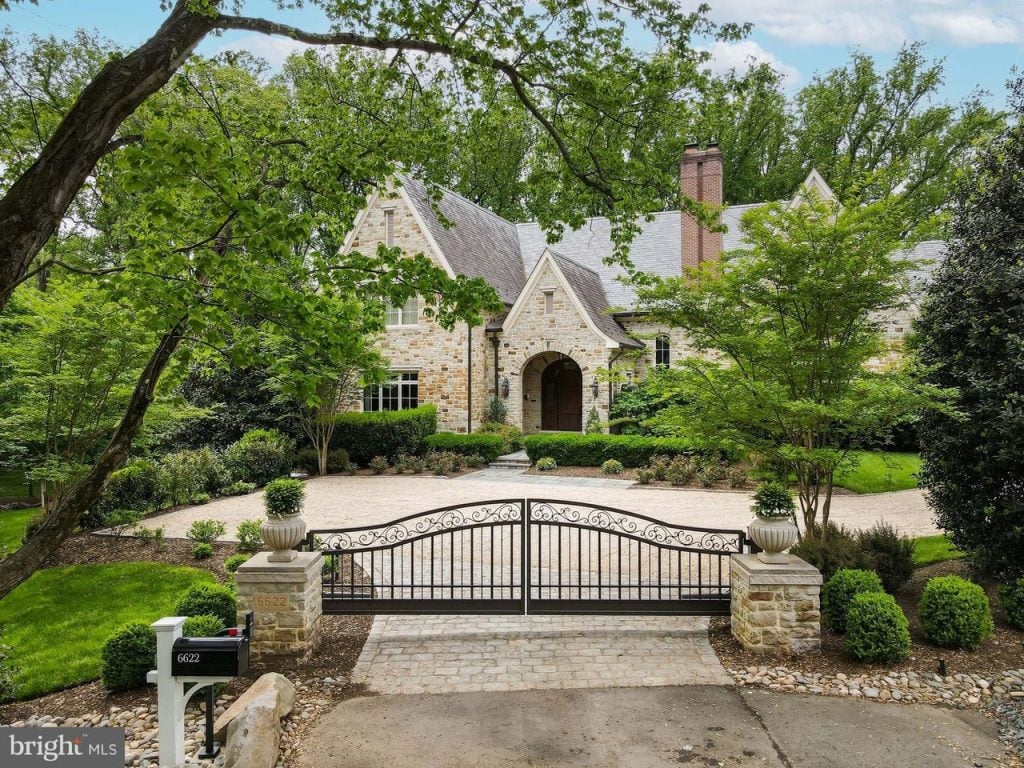
Langley area streetscape (placeholder)

Langley / Chain Bridge Road Estate lots

Leafy, quiet, and close to GW Parkway. Popular for privacy, proximity to DC, and access to scenic trails.
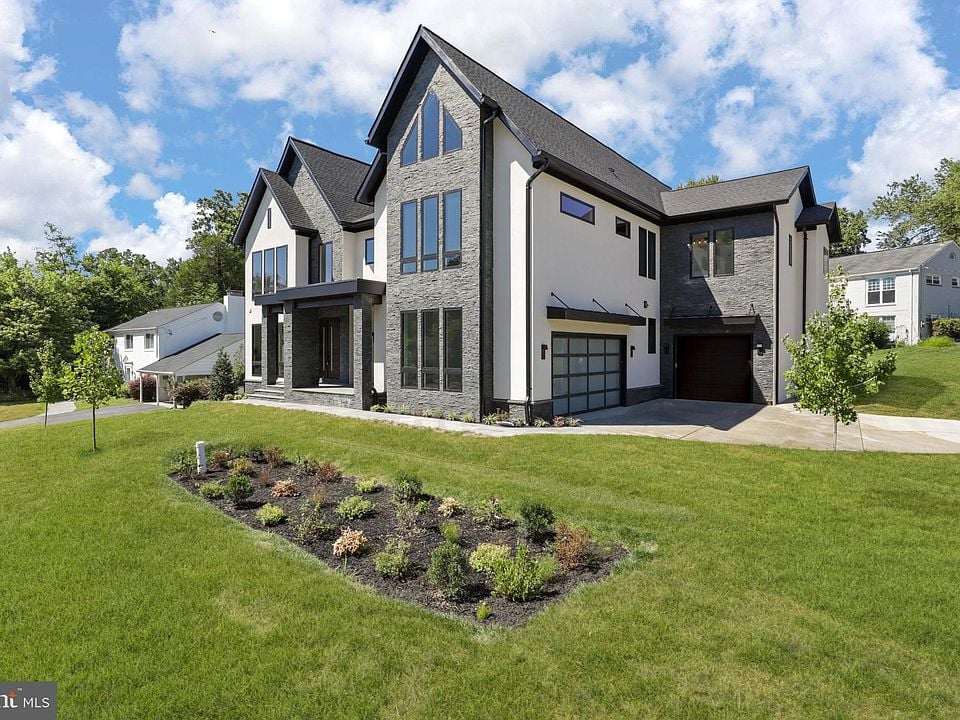
West McLean sidewalk scene (placeholder)

West McLean Convenience

Near central McLean shops and dining; mix of renovated ramblers and new builds. Sidewalk coverage is better here.
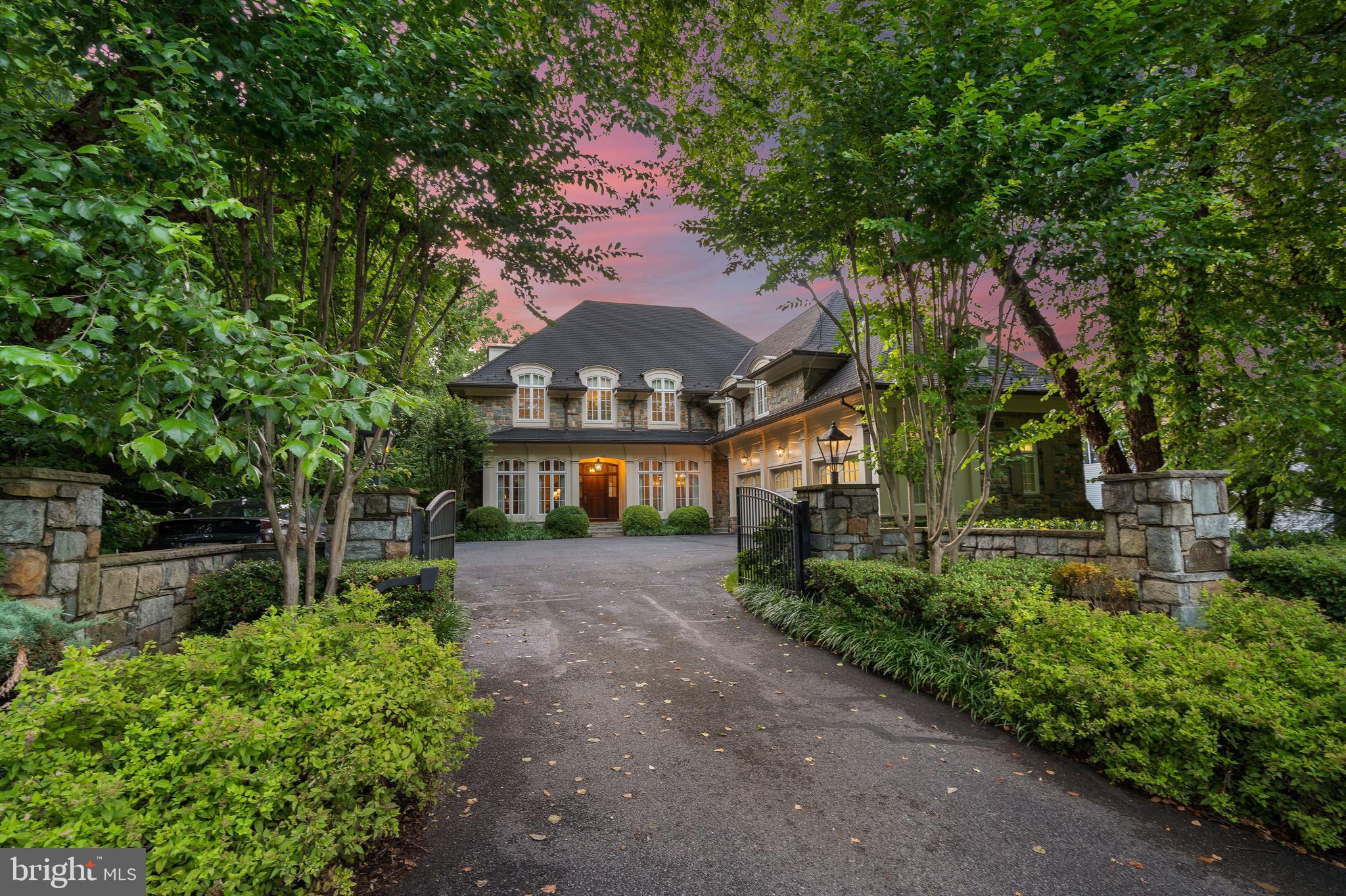
Salona Village home (placeholder)

Salona Village Walkable pockets

Coveted for proximity to downtown McLean and parks; premium for updated homes on larger lots.
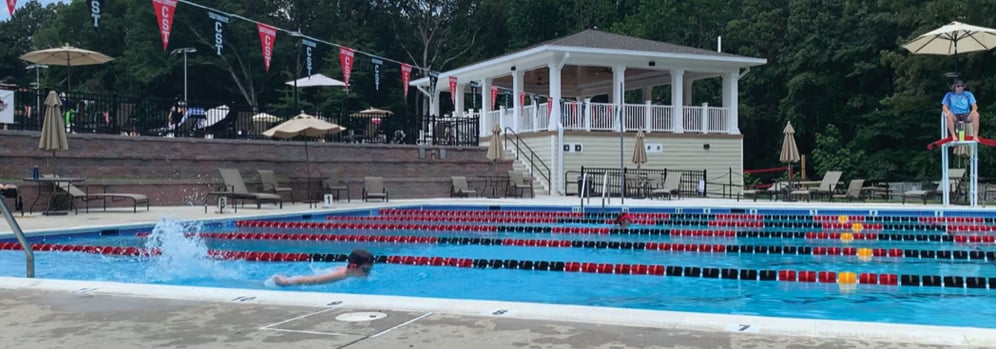
Lewinsville area (placeholder)

Lewinsville / Chesterbrook School focus

Streets with a neighborhood feel, strong school pyramids, a CLub and Pool, and quick access toward Tysons and Arlington.
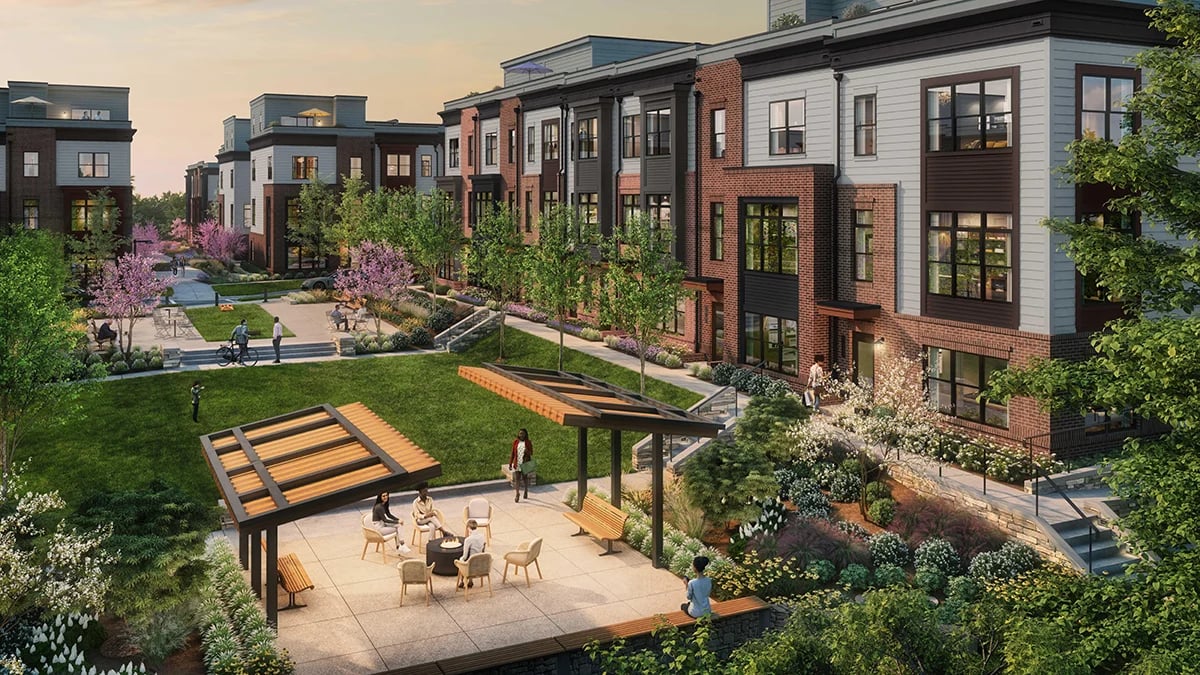
Tysons fringe townhomes (placeholder)

Tysons Fringe Urban access

Townhomes and newer builds within a short hop to Silver Line stations and luxury retail.
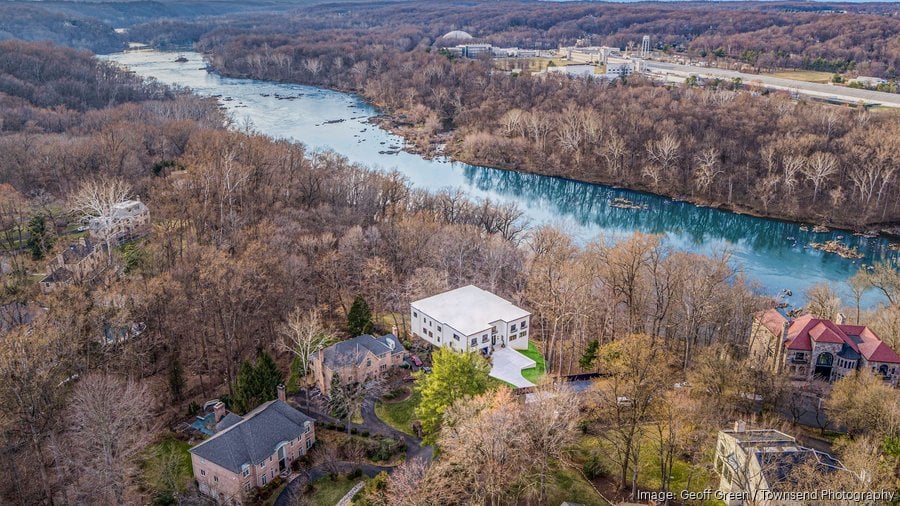
River Oaks area (placeholder)

River Oaks / Potomac side Scenic

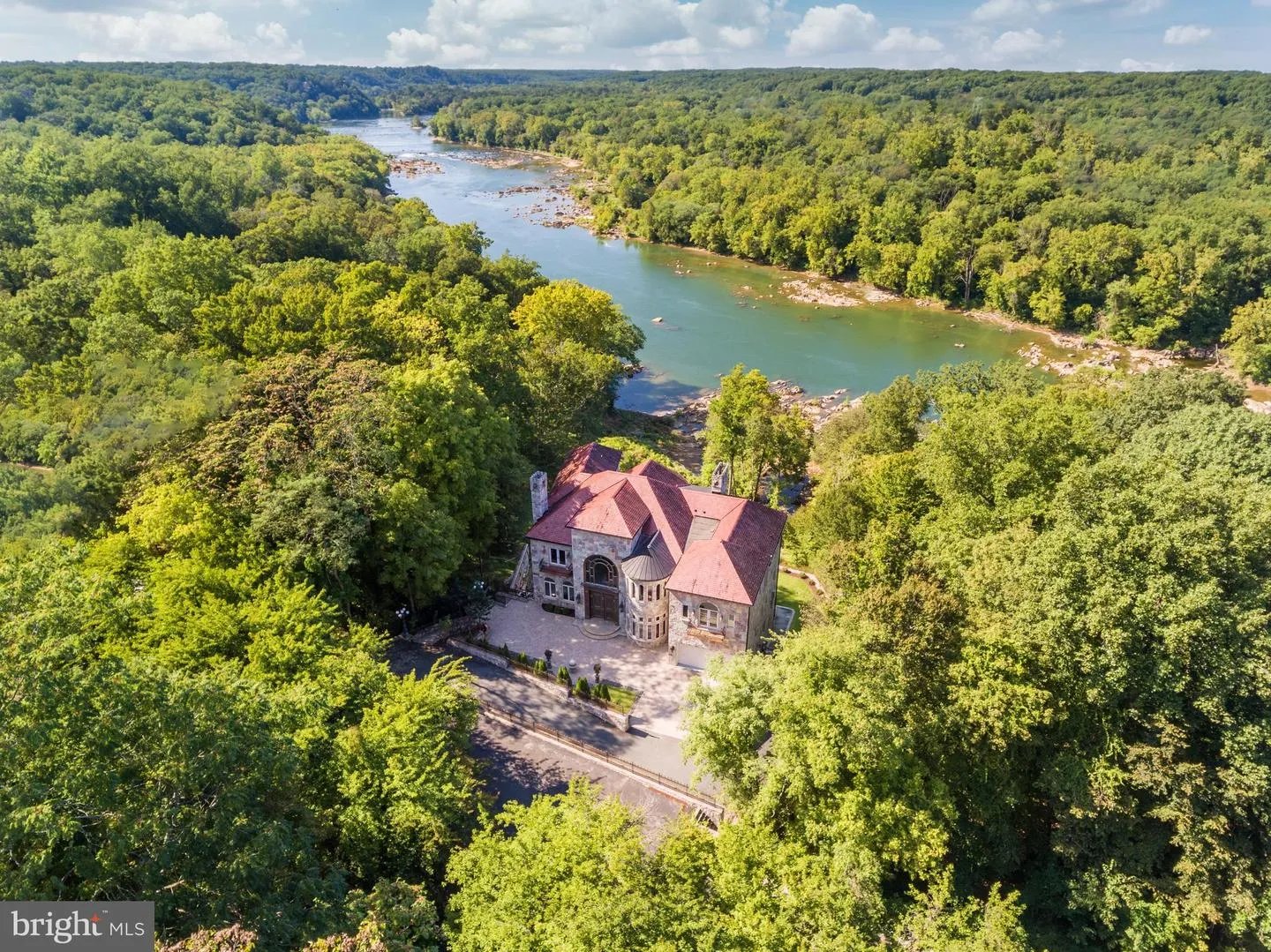
Near Scott’s Run and the river; serene streets and a nature‑first vibe. Limited retail—by design.

Commute & transit

  • Fast routes off‑peak: GW Parkway to DC (Chain Bridge/Memorial Bridge), I‑495 to Maryland or Dulles tech corridor.
  • Metro (Silver Line): Stations at McLean, Tysons Corner, Greensboro, Spring Hill. Most McLean addresses are a short drive or bike away.
  • Peak tips: Depart before 7:15am or after 9:15am for DC‑bound trips; in the evening, watch Route 7/123 merges near Tysons.
  • Airport access: DCA via GW Parkway; IAD via Dulles Toll Road or I‑495 express lanes.
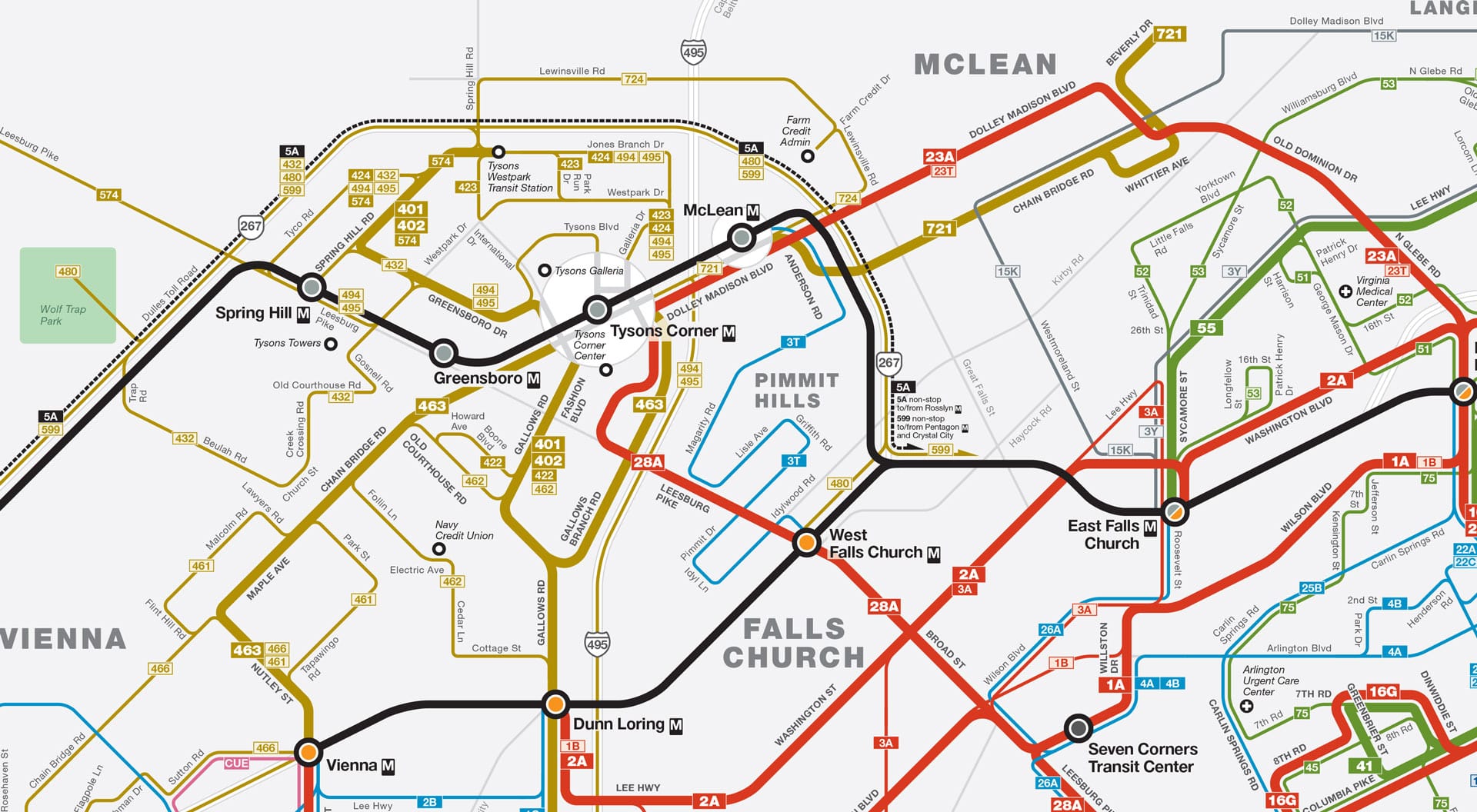
Simplified commute map: McLean to DC, Tysons, airports (placeholder)

Schools (public & private)

Many McLean neighborhoods feed into sought‑after Fairfax County Public Schools pyramids. Several respected private schools are within a 15–25 minute radius. Admissions and boundaries change—verify for your specific address.

Local check: Before you bid, plug the address into the FCPS boundary tool and call the school office to confirm future‑year assignments.

Lifestyle: dining, parks & weekends

  • Dining: Elevated options cluster in Tysons Galleria and along Route 123/7; downtown McLean offers neighborhood favorites and low‑key gems.
  • Parks & trails: Great Falls Park, Scott’s Run Nature Preserve, Clemyjontri Park, and Langley Oaks. Many streets back to parkland—ask about trail cut‑throughs.
  • Retail: Luxury shopping at Tysons Galleria; everyday errands in central McLean. Expect ongoing enhancements along the Tysons corridor.

Costs & housing types

McLean skews higher than neighboring markets due to land value and lot sizes. You’ll find:

  • Renovated 1960s–80s colonials and ramblers on established streets.
  • New‑build luxury homes and curated infill projects (tear‑downs common).
  • Townhomes and condos closer to Tysons for a lower‑maintenance lifestyle.
Buyer tip: Premiums track lot characteristics: usable rear yard, tree canopy, topography, and street quietness. Two similar homes can appraise differently based on these subtleties.

Agent tips (street‑level insights)

  • Mind the cut‑throughs. Some streets feel busier during school drop‑off/commute windows; tour at those exact times.
  • Test your commute. Drive your actual route at your actual hours before you write.
  • Inspect the trees. Mature canopy is a signature here—evaluate health, root systems, and drainage around the foundation.
  • Plan for permits. Renovations and tear‑downs are common; build in time for Fairfax County reviews.
  • Sidewalks & safety. If walkability is key, shortlist West McLean/Salona pockets and verify sidewalk continuity on your block.

FAQs

Is McLean good for commuters?

Yes—especially if you leverage the GW Parkway and avoid peak bottlenecks. Silver Line stations nearby add flexibility.

How competitive is the market?

Turn‑key properties in prime pockets move quickly. Pre‑inspection, strong terms, and flexible post‑occupancy can help.

Which areas are most walkable?

Look around downtown McLean, West McLean, and select pockets near schools and parks. Tysons‑fringe townhomes are walkable to retail and Metro.

Michael Falcone headshot placeholder small

Thinking about McLean?

I tour these streets weekly and track off‑market inventory. Let’s refine your shortlist by commute, school path, and street‑level quiet.
Primary logo placeholder Secondary logo placeholder
© Michael Falcone • All rights reserved • Privacy

Work With Michael

Contact Michael today to learn more about his unique approach to real estate, and how he can help you get the results you deserve.

Follow Me on Instagram