Thinking about an office lease in Tysons but not sure where to start? You are not alone. Between lease types, TI costs, transit access, and parking policies, there is a lot to weigh before you sign. In this guide, you will learn how Tysons stacks up, what to look for on tours, the key clauses to negotiate, and how to plan your buildout with fewer surprises. Let’s dive in.
Why Tysons works for tenants
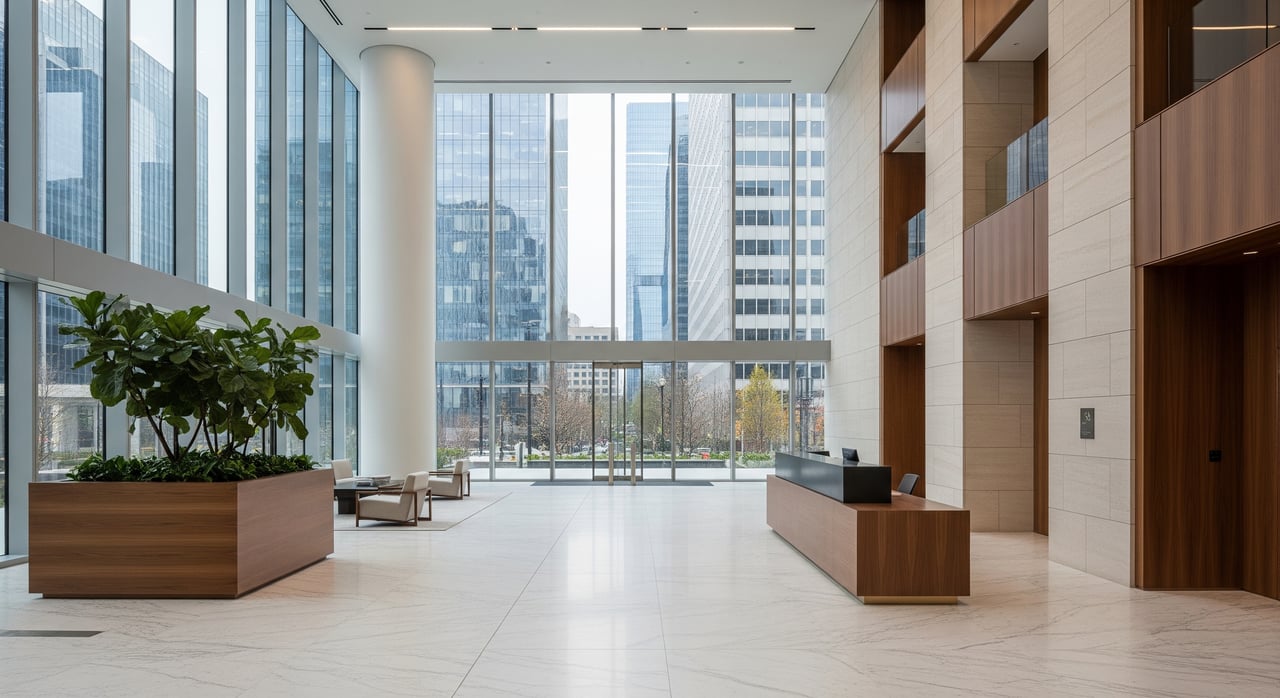
Tysons is Northern Virginia’s largest office hub and a growing urban center. New and renovated Class A buildings cluster around Silver Line Metro stations, with corporate neighbors in professional services and technology. You get regional access by car, strong telecom, and a steady flow of mixed-use redevelopment that keeps amenities improving.
For many tenants, the tradeoff is clear. Tysons offers modern buildings, higher parking ratios, and fast beltway access, while walkability varies by block. If walkable amenities are a priority, focus on buildings closest to Silver Line stations and mixed-use projects.
Building classes in Tysons
Most space options you will tour fall into three categories.
- Class A: Newer or recently upgraded, higher ceilings, modern HVAC, strong telecom, and full amenity packages. Often near Metro.
- Class B: Older stock, lower rents, and often good value. May need more TI to modernize.
- Class C: Basic and less common for corporate tenants. May require major upgrades.
What to check on tours
Bring a simple checklist to every building visit.
- Floor plate size, column spacing, and ceiling heights, which drive your seating plan and density.
- Window lines and natural light, plus any obstructions.
- HVAC zoning, standard operating hours, and after-hours costs.
- Building access, lobby security, and loading dock procedures.
- Elevator count and speed, especially for high-rise floors and move-in logistics.
- Life safety systems, sprinkler coverage, and code compliance.
Amenities that matter
Amenities are increasing across Tysons, especially in Metro-adjacent projects. Look for on-site or nearby food, retail, fitness, hotels, and childcare. Many buildings now offer conference centers, tenant lounges, parcel lockers, bike rooms, and showers. If sustainability is part of your brand or RFP requirements, ask about LEED or WELL certifications and energy performance.
Transit, parking, and your commute
Silver Line proximity
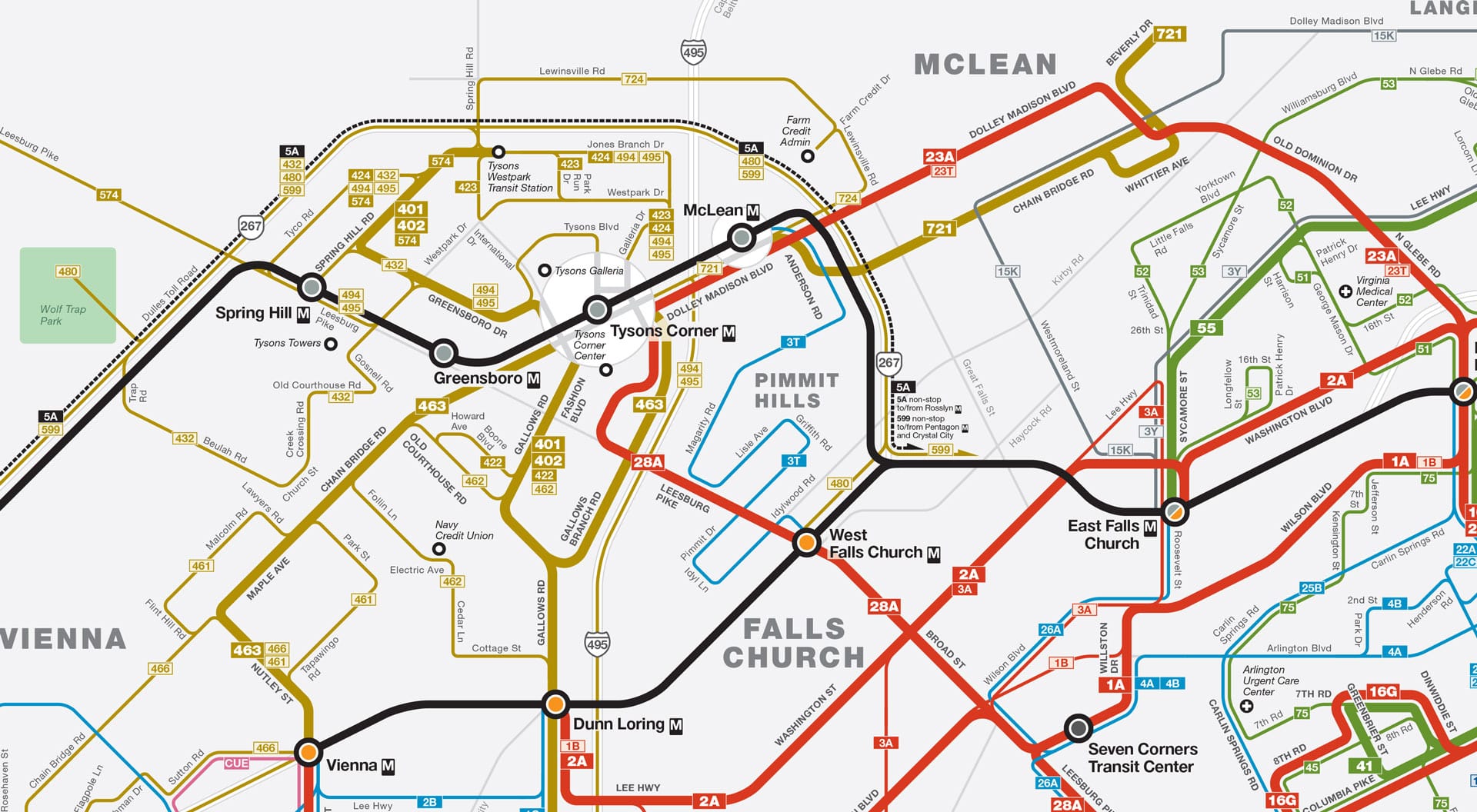
The Silver Line reshaped Tysons. Station proximity often commands a rent premium, but it can reduce your parking needs and improve employee access. Check actual walking time, the route quality, and whether the building runs a shuttle. Also ask about first and last mile options like bike lanes, scooters, or microtransit services.
Parking math and policies
Parking can be bundled in rent or billed per space each month. Confirm the ratio, assigned versus unassigned spaces, and visitor parking rules. Ask about EV charging, enforcement hours, and whether the building offers transit benefits or programs for employees who commute without a car.
Lease types and true cost
Common lease structures
- Full service or full-service gross: One all-in number. Landlord covers most operating expenses with annual reconciliations.
- Modified gross: Some costs are included, others are passed through. The split is negotiated.
- Triple net (NNN): Base rent plus your share of taxes, insurance, and operating expenses. More common in lower-service or single-tenant settings.
Always verify what is and is not included. Operating expense definitions, base year language, and pass-through mechanics affect your total cost.
What drives total cost
Your budget is more than base rent. Model the whole picture.
- Base rent per square foot and how it escalates over time.
- Operating expenses and CAM, plus tax and insurance pass-throughs if not fully included.
- Parking charges if unbundled.
- TI costs, permits, design fees, and furniture.
- Moving, signage, connectivity installation, and any specialty power or cooling.
- Security deposit, letter of credit, or guaranty costs.
The negotiation playbook
Key clauses to prioritize
- Base rent vs. effective rent: Seek free rent periods and TI dollars, then compare apples to apples across the full term.
- TI allowance and work letter: Clarify what the landlord funds, who manages permitting, schedules, approvals, and remedies for delays. Tie payments to milestones and final punchlist sign-off.
- Rent escalations: Fix annual increases and set caps on certain recoverable expenses when possible.
- Operating expense recovery: Define what is recoverable, whether there is a base year, and your audit rights and timing.
- Renewal and expansion options: Lock in renewal mechanics and rights of first refusal on adjacent space if growth is likely.
- Sublease and assignment: Keep flexibility to right-size later. Define landlord consent standards and any fees.
- Early termination: Occasionally available for a fee. Clarify notice requirements and payment structure.
- Use clause and signage: Ensure your permitted use is broad enough and confirm directory and branding rights.
- Insurance and indemnity: Confirm required policies and limits that fit your profile.
- SNDAs and estoppels: If the building has financing, secure a Subordination, Non-Disturbance and Attornment agreement to protect your tenancy.
- Repair and maintenance: Define landlord vs. tenant responsibilities for systems, structure, and windows.
Leverage for small and mid-size tenants
- Lease term: Longer commitments often earn higher TI and more concessions. Shorter terms can still win flexibility in exchange for rent.
- Credit and guaranty: Strong tenant credit can unlock better economics and options.
- Timing and market: When vacancy is high or new supply delivers, landlords may be more flexible. Use current comps to your advantage.
TI and the buildout process
How TI allowances work
Landlords usually offer a TI allowance as dollars per square foot or a lump sum. Distinguish base building items from tenant-specific work in the work letter. Spell out approvals, change orders, who pays permitting and inspection fees, and holdback amounts until you receive a certificate of occupancy and complete the punchlist.
Timeline and permitting
A typical sequence is space selection, LOI, lease, design, landlord approvals, permitting, construction, punchlist, and occupancy. In Fairfax County, permitting and life safety inspections add time, so bake that into your schedule. Plan contingencies for supply chain delays or trade availability, and align IT cutover with construction milestones.
Due diligence checklist
Physical and operational
- Confirm usable versus rentable square footage and the BOMA measurement standard.
- Verify HVAC capacity and hours, electrical service, and fiber availability and routes.
- Review life safety systems, inspection history, and any open violations.
- Check certificate of occupancy for your intended use and ADA accessibility.
- Ask about building envelope maintenance, roof and window history.
- Understand parking rules, visitor policies, and any fees.
- Clarify janitorial and security responsibilities and whether they are included.
Contractual and legal
- Review operating expense definitions, base year language, escalations, audit rights, SNDA, sublease and assignment conditions, remedies, and payment schedules.
- Ask about any pending zoning or access changes that may affect the property.
- Confirm whether tax abatements or special assessments impact expenses.
Technology and operations
- Confirm fiber providers, diverse paths, and meet-me room access.
- Plan for server closet space, UPS, or dedicated circuits if needed.
- Check cell coverage and whether a building DAS improves signal.
Tysons vs. nearby markets
- Rent and supply: Tysons competes with Rosslyn-Ballston, Reston, Herndon, and Alexandria. Newer Class A options and redevelopment have strengthened Tysons for image-conscious tenants.
- Transit and walkability: Rosslyn-Ballston and downtown DC often have denser transit and street-level retail. In Tysons, choose station-adjacent buildings for the best walkability.
- Parking and commuting: Tysons typically offers higher parking ratios and easier beltway access than downtown cores. Compare effective commute times for your team.
- Talent access: Tysons sits central to Northern Virginia’s labor pool while staying close to DC and major employers.
Timeline you can trust
Lead time is your friend. A practical plan looks like this.
- Search and evaluation: 4 to 12 weeks or more depending on availability.
- LOI through lease negotiation: 2 to 8 weeks based on complexity and legal review.
- TI design and landlord approvals: 2 to 8 weeks.
- Permitting and construction: 4 to 24 weeks depending on scope.
Build in contingency and align your IT, furniture, and move vendors early.
Who should be on your team
- Tenant representation broker to surface unlisted options, compare economics, and negotiate terms that protect your downside.
- Commercial real estate attorney to review lease language and secure key protections like SNDAs and audit rights.
- Architect and MEP consultants to test-fit the space and tighten TI budgets.
- IT and telecom specialists to plan connectivity, redundancy, and cutover.
- Project or construction manager for complex buildouts.
Your next steps in Tysons
- Define your headcount, hybrid policy, and must-have features before touring.
- Shortlist station-adjacent options if walkability matters most. If driving is primary, compare parking ratios, costs, and access.
- Use an apples-to-apples cost model that includes rent, escalations, operating expenses, parking, TI, and move costs.
- Negotiate for flexibility through sublease rights, renewal options, and clear TI timelines.
If you want a local, relationship-first advisor with commercial fluency in Tysons and McLean, let’s talk. Schedule a planning call with Falcone Real to map your shortlist, model total costs, and negotiate a lease that supports your team.
FAQs
What should first-time Tysons office tenants prioritize?
- Focus on total cost of occupancy, station proximity, parking policies, TI scope and delivery timeline, and clauses that preserve flexibility like sublease rights and renewal options.
How do full-service, modified gross, and NNN leases differ?
- Full service is mostly all-in with reconciliations, modified gross splits costs by negotiation, and NNN adds taxes, insurance, and operating expenses to base rent. Always confirm definitions.
How close to a Silver Line station should I be?
- If transit access and walkable amenities drive hiring and retention, target buildings within a comfortable walk or with a reliable shuttle. The premium can be offset by reduced parking needs.
What TI allowance should I expect in Tysons?
- TI levels vary by term length, credit strength, and market conditions. Negotiate scope and payment milestones in the work letter to keep budget and schedule on track.
How long does an office move take in Fairfax County?
- Plan for 3 to 6 months for a basic refresh and longer for full buildouts. The sequence runs from search to LOI, lease, design, approvals, permitting, construction, and punchlist.
What protections should I ask for in the lease?
- Seek audit rights on operating expenses, SNDA if the property has financing, clear repair and maintenance splits, fair sublease and assignment standards, and defined renewal and expansion options.