
Search

Leave a Message

By providing your contact information to Falcone Real, your personal information will be processed in accordance with Falcone Real's Privacy Policy. By checking the box(es) below, you consent to receive communications regarding your real estate inquiries and related marketing and promotional updates in the manner selected by you. For SMS text messages, message frequency varies. Message and data rates may apply. You may opt out of receiving further communications from Falcone Real at any time. To opt out of receiving SMS text messages, reply STOP to unsubscribe.

Thank you for your message. I will be in touch with you shortly.

Browse Properties
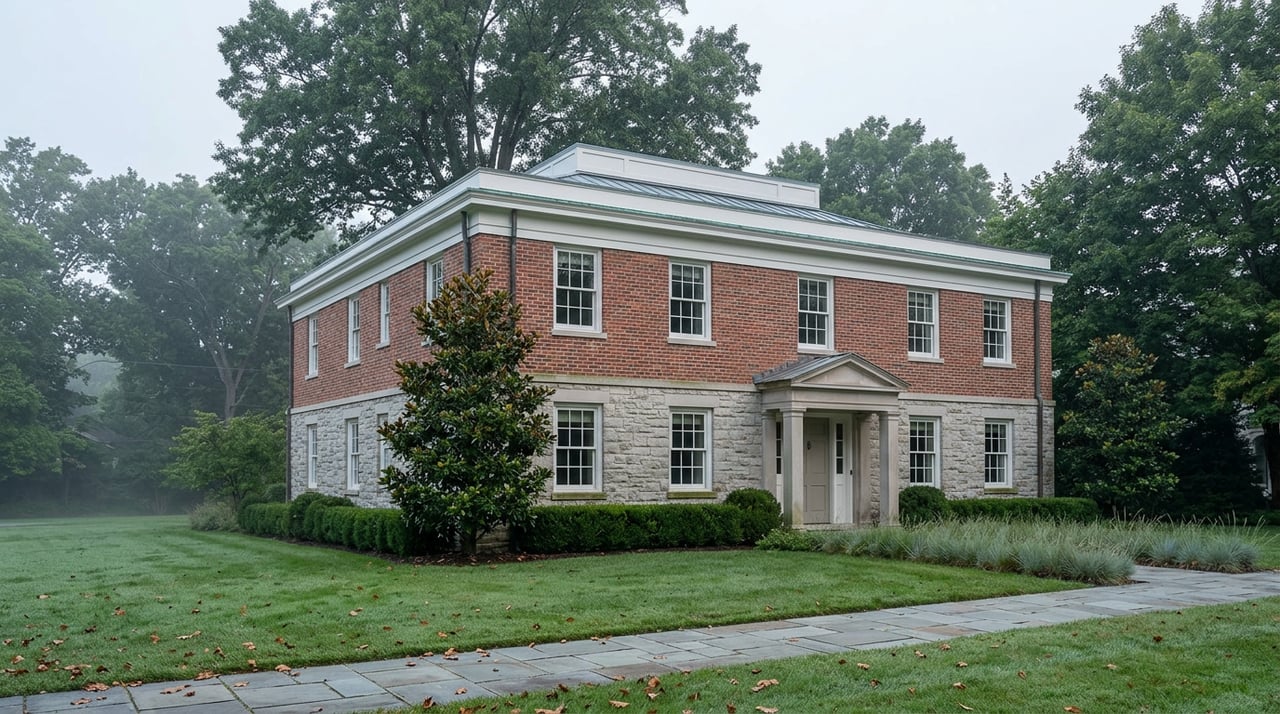
Two-story limestone and red-brick house beyond a curved stone walk and broad lawn, with a hornbeam beside the facade.

Oakton Never Got a Main Street. It Got a Restaurant Week Instead.

Ask someone new to Oakton where downtown is and watch them improvise. Some point toward the Chain Bridge Road stretch near the Giant. Others send you to the shopping center off Jermantown Road. A few will mention the restaurants clustered along White Granite Drive, closer to the Vienna line. None of them are wrong. None of them are quite right either, because Oakton was never platted around one main street the way Vienna or Fairfax City were. It grew up as a scatter of intersections, and its restaurants grew up the same way, one storefront at a time, wherever a lease happened to open.

That scatter created a real problem for a place that clearly wanted to be known for more than commuter traffic on Route 123. If your best restaurants sit at three or four unrelated crossroads, nobody experiences them as a scene. They experience them as separate errands. Two years ago, a civic group did something practical about that: it invented a week that makes the scatter behave like a street, at least for ten days a year.

The Intersections That Pass for a Downtown

The geography is worth naming plainly, because it explains everything that follows. Settle Down Easy's Oakton Tasting Room sits at Hunter Mill Plaza, at the intersection of Route 123, Chain Bridge Road, and Hunter Mill Road. Mama Tigre sits about a mile away on White Granite Drive, in a building that used to be a Bob Evans. Hunan Tasty and other longtime spots line Chain Bridge Road closer to the center of the community. The Oakmont Farmers Market runs out of a county rec center on Jermantown Road. Each of these locations makes sense on its own. None of them puts you within walking distance of the next.

Compare that to Vienna, a few minutes north, where a walkable stretch of Church Street does the work of announcing a food identity without anyone having to organize anything. Oakton doesn't have that shortcut. What it has instead is a community association willing to do the organizing by hand.

A Post Office, an Oak Tree, and a New Name

Oakton wasn't always Oakton. For most of the nineteenth century the area went by Flint Hill, named for an exposed outcrop early settlers mistook for flint. In 1883, a new United States Post Office went up next to a large oak tree, and the community took the tree's name instead of the rock's. Nobody voted on it. Nobody drew up a plan. A postmaster picked a tree, and the name stuck for a century and a half.

That small, informal history matters here because it sets a pattern Oakton has repeated ever since. This is not a place where identity gets decided by a town council or a master developer. It gets decided by whoever is standing closest to the problem and willing to act. The Restaurant Week is the latest version of that same instinct.

The Week Built to Fill the Gap

The Greater Oakton Community Association exists, by its own description, to help preserve the qualities that make the area worth living in. In January 2025, it turned that mission into something you could actually eat. The inaugural Oakton Restaurant Week ran January 17 through 26, timed deliberately to land during the month the community treats as its own birthday. Eleven restaurants signed on, including Mama Tigre, Pho 85, Settle Down Easy, Taco Rock, Famous Dave's, Hangry Joe's, and Hunan Tasty, each offering its own version of a deal rather than a uniform prix fixe. Hunan Tasty, for instance, scaled its offer to the size of the order, from a free spring roll at thirty dollars up to a free General Tso's chicken at sixty.

The event returned the following January, expanding to more than a dozen participating restaurants for a run from January 16 through 25, 2026. Mama Tigre, Yalla Pita, and Settle Down Easy Brewing Co. anchored the second year alongside newer names. For a ten-day stretch, restaurants that residents normally visit in isolation, on separate trips, at separate ends of the community, ended up on the same list, promoted by the same organization, for the same reason. That's the entire mechanism. It costs the association almost nothing and it gives Oakton, briefly, the thing its geography won't provide on its own: a single conversation about where to eat.

The Two Restaurants Carrying the Argument

Two of the Restaurant Week regulars make the case for why this works better than it should.

Mama Tigre opened in 2020 from the owners of Vienna's longtime Tequila Grande, chef Renu Prakash and her husband AJ, who had run restaurants together for thirty-six years between that spot and Casa Rico in Frederick, Maryland. They moved to Oakton after Tequila Grande's Maple Avenue building in Vienna was slated for a four-story mixed-use redevelopment with more than 150 residential units. Rather than close, they rebuilt the concept around a genuine hybrid: Mexican comfort food built with Indian spices from Prakash's own background, butter chicken tacos alongside tropical ceviche. It is not a fusion gimmick built for a menu photo. It is two cuisines a working chef actually knows, served from a former Bob Evans on White Granite Drive.

Settle Down Easy's Oakton Tasting Room opened its doors on November 12, 2022, becoming Oakton's first craft brewery. The original Settle Down Easy started in Falls Church in 2018 before expanding to the 4,000-square-foot Hunter Mill Plaza location, a one-barrel brewhouse with room for craft beer, wine, cider, and Prosecco. Rather than build a kitchen from scratch, the brewery brought in The Fermented Pig, a Vienna-based charcuterie business, for its first-ever brick-and-mortar location, tucked inside the tasting room. Co-owner Frank Kuhns said at the time that the goal was to build the concept around the food and beverage producers already working in the area, rather than import something from outside it. Both businesses solved the same problem the same way: instead of waiting for Oakton to hand them a ready-made food district, they built their own version of one inside a single address.

Small on Purpose

It's worth putting Oakton's numbers next to its neighbors. Falls Church's own Restaurant Week, held the week after Oakton's in January 2026, drew more than 60 participating restaurants across a city built around the Eden Center and a genuinely walkable downtown core. Oakton's second edition drew a dozen-plus. That gap isn't a failure. It's the honest size of a community that doesn't have a restaurant row to begin with, and it makes the growth from eleven restaurants in year one to more than a dozen in year two a real signal rather than a rounding error. A young event with no built-in foot traffic, no downtown to anchor it, and no marketing budget beyond a community association's own reach still grew. That kind of growth usually means residents showed up, not just restaurants.

The Other Thing Oakton Built for Itself

The Restaurant Week isn't the only instance of Oakton assembling its own gathering point out of county infrastructure rather than a town square. The Oakmont Farmers Market runs every Wednesday morning from 8 a.m. to noon, from early May through October 28 this year, operated by the Fairfax County Park Authority out of the Oakmont Rec Center on Jermantown Road. It's one of ten producer-only markets the county runs across Fairfax, meaning every vendor is selling what they grew or made themselves. It isn't large, and it isn't trying to be. It's a weekday market that exists because a rec center parking lot was available and residents wanted somewhere regular to get produce without driving to Vienna or Reston for it.

Between the market and the Restaurant Week, a pattern emerges that says more about Oakton than any single business could. This is a community that keeps solving the same absence the same way: not by lobbying for a downtown that would take a decade and a rezoning fight to build, but by borrowing whatever infrastructure already exists, a rec center, a brewery's dining room, a community association's mailing list, and turning it into a gathering point for a week or a Wednesday morning at a time.

What This Means If You Already Live Here

None of this changes where you park or how far you drive to dinner. Oakton is still going to be a place you experience in pieces, at separate intersections, on separate trips. What's changed is that those pieces now have a reason to talk to each other once a year, and the fact that the Restaurant Week grew instead of fading after its first run suggests residents wanted that conversation more than anyone expected.

If you've never made it to the Oakmont Farmers Market before its October 28 close, or you missed both editions of Restaurant Week so far, mark late January for a third round. And if you're the kind of person who notices when a community builds something for itself rather than waiting for a downtown to arrive, you already understand why Oakton is worth paying attention to, whether you're shopping for a house here or you've been parking at three different intersections for twenty years.

Michael Falcone has spent more than three decades living in this part of Northern Virginia, and he pays attention to the small, self-built things, restaurant weeks, farmers markets, the businesses that make a scattered community feel like one, because they say more about a place than any listing sheet can. If you're curious what else is happening in Oakton or across McLean, Vienna, and the rest of Northern Virginia, or you'd like a conversation about the market whenever you're ready for one, reach out to Falcone Real any time.

Living & Working in McLean, VA: Pros & Cons (Local Guide)
Michael Falcone headshot placeholder
By Michael Falcone • Updated Aug 18, 2025
Home ▸ Guides ▸ McLean, VA
Local Guide

Living & Working in McLean, VA: The Real Pros & Cons

Reading time: 8–10 mins Region: McLean, Tysons, Great Falls corridor
Tree‑lined street and elegant homes in McLean, VA (placeholder)

McLean blends quiet, tree‑canopied neighborhoods with fast access to Tysons, DC, and the George Washington Parkway. It’s where privacy and proximity meet—if you know which streets to target.

Pros (Why people choose McLean)

  • Proximity without the city noise. Minutes to Tysons, 15–25 minutes to DC in off‑peak via GW Parkway; quick access to I‑495, Route 123, and Route 7.
  • Top‑tier public schools. Many neighborhoods feed into highly rated FCPS pyramids; competitive private options nearby.
  • Lot size & privacy. Mature trees, larger lots than Arlington or Alexandria; pockets with estate‑style settings.
  • Safety & prestige. Quiet streets, well‑kept homes, and a refined, low‑key feel.
  • Outdoor access. Great Falls Park, Scott’s Run, and Langley Oaks trails are weekend staples.
  • Dining & retail upgrades. Tysons Corner Center, Tysons Galleria, and a growing fine‑dining scene within a 10‑minute radius.

Cons (The trade‑offs)

  • Peak‑hour traffic. GW Parkway, Chain Bridge, Route 123, and Route 7 bottlenecks can add significant time.
  • Price point. Premium land values; new builds and renovated homes command high multiples.
  • Walkability varies. Some pockets are car‑dependent; sidewalks aren’t universal on interior streets.
  • Older housing stock in core McLean. Many 1960s–1980s homes need updates; tear‑down activity is common.
  • Metro access is nearby—but not everywhere. Silver Line stations sit mainly in Tysons; plan for a short drive or bike unless you’re very close to the McLean station area.
Local note: If your commute depends on Chain Bridge or the GW Parkway, your exact street matters. Two similar addresses can mean a 10‑ to 20‑minute difference during peak.

Neighborhood snapshots (insider quick‑takes)
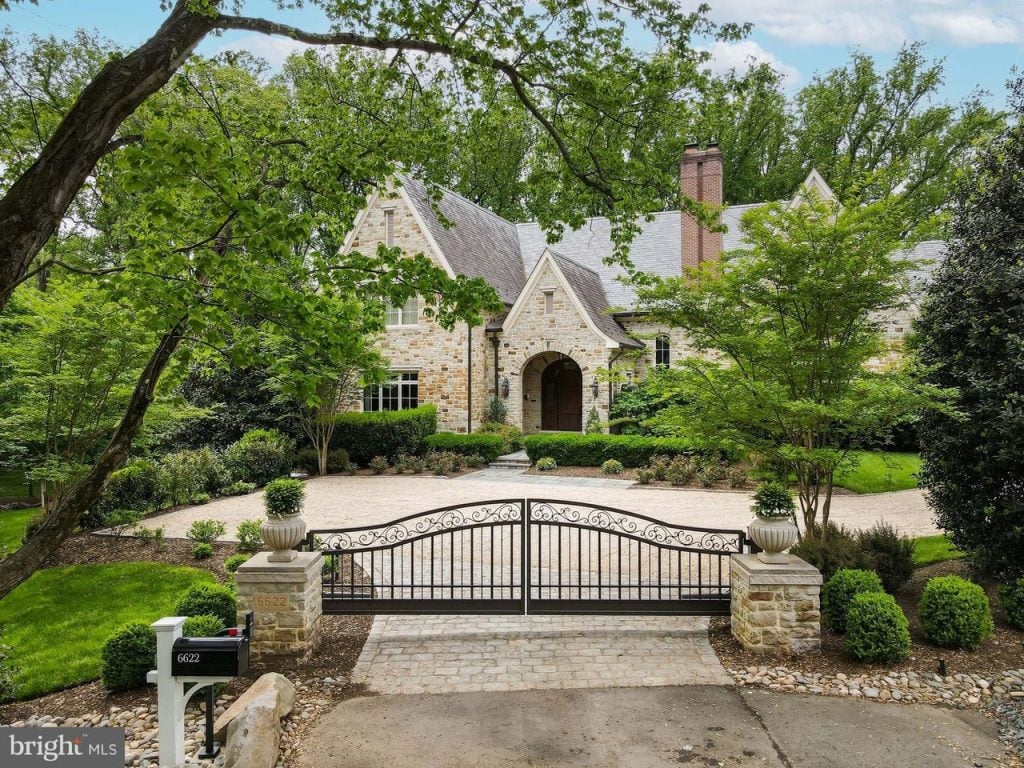
Langley area streetscape (placeholder)

Langley / Chain Bridge Road Estate lots

Leafy, quiet, and close to GW Parkway. Popular for privacy, proximity to DC, and access to scenic trails.
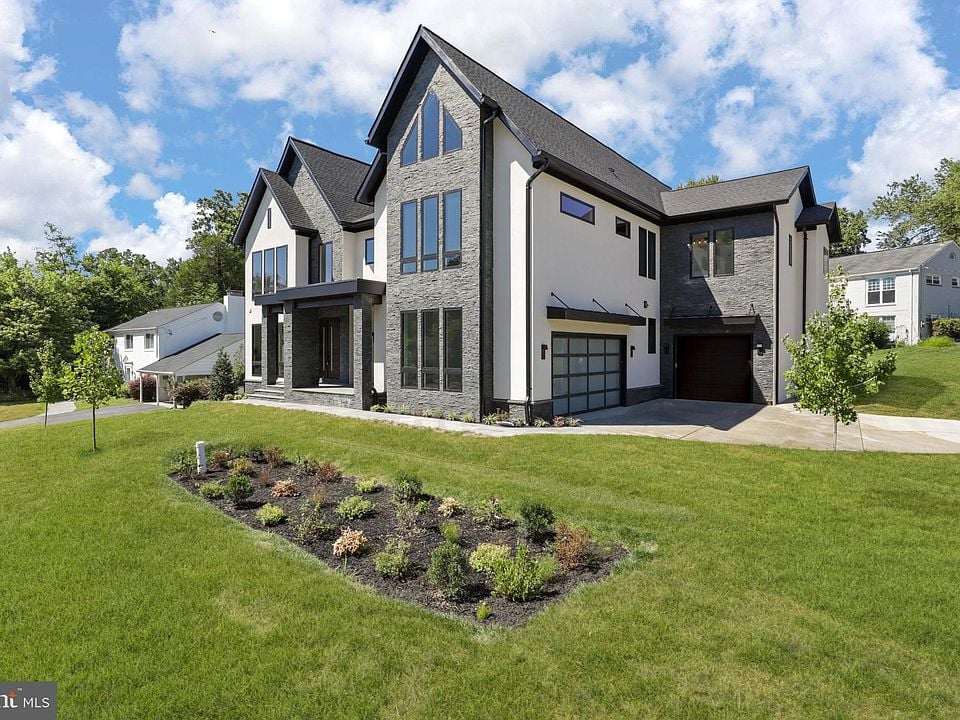
West McLean sidewalk scene (placeholder)

West McLean Convenience

Near central McLean shops and dining; mix of renovated ramblers and new builds. Sidewalk coverage is better here.
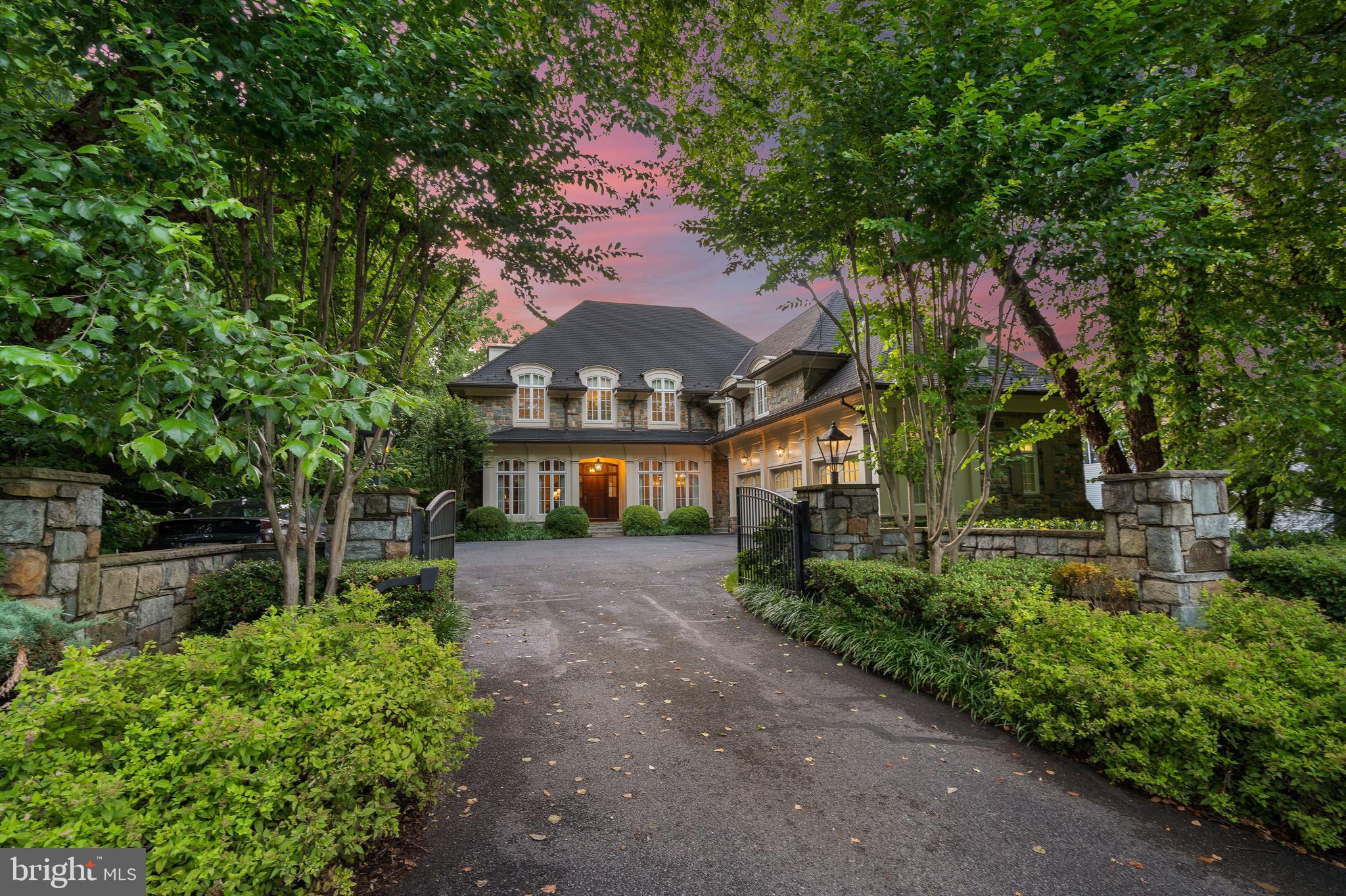
Salona Village home (placeholder)

Salona Village Walkable pockets

Coveted for proximity to downtown McLean and parks; premium for updated homes on larger lots.
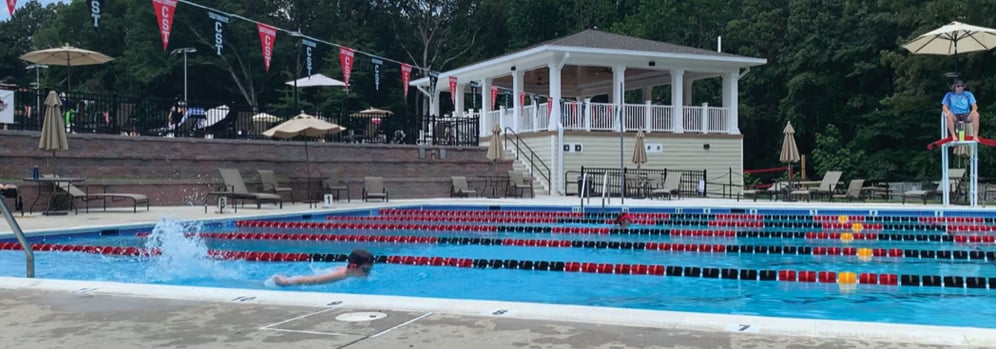
Lewinsville area (placeholder)

Lewinsville / Chesterbrook School focus

Streets with a neighborhood feel, strong school pyramids, a CLub and Pool, and quick access toward Tysons and Arlington.
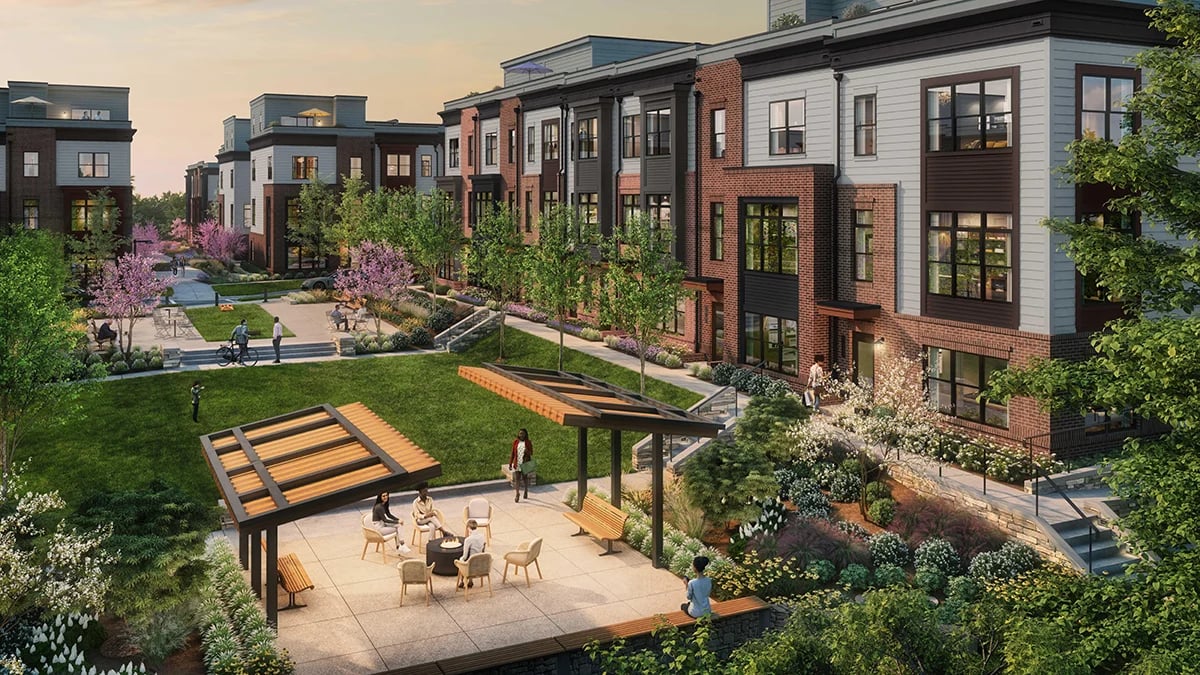
Tysons fringe townhomes (placeholder)

Tysons Fringe Urban access

Townhomes and newer builds within a short hop to Silver Line stations and luxury retail.
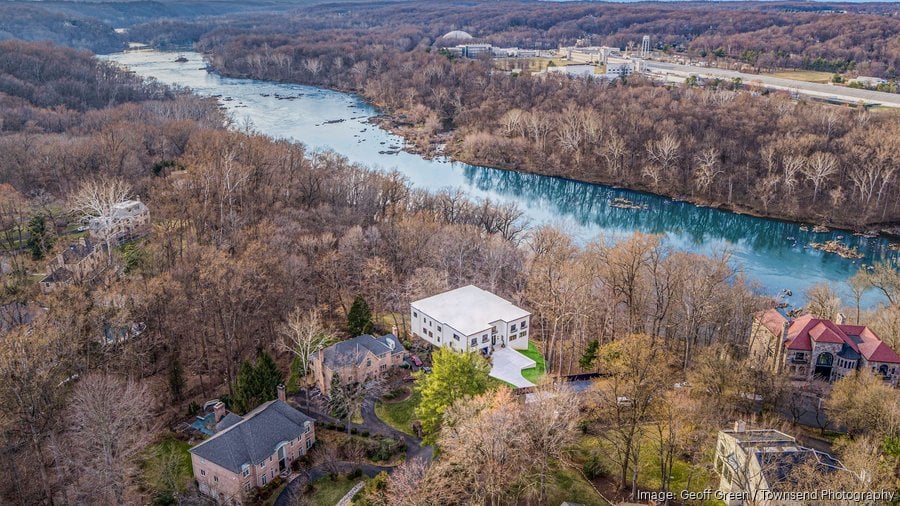
River Oaks area (placeholder)

River Oaks / Potomac side Scenic

Near Scott’s Run and the river; serene streets and a nature‑first vibe. Limited retail—by design.

Commute & transit

  • Fast routes off‑peak: GW Parkway to DC (Chain Bridge/Memorial Bridge), I‑495 to Maryland or Dulles tech corridor.
  • Metro (Silver Line): Stations at McLean, Tysons Corner, Greensboro, Spring Hill. Most McLean addresses are a short drive or bike away.
  • Peak tips: Depart before 7:15am or after 9:15am for DC‑bound trips; in the evening, watch Route 7/123 merges near Tysons.
  • Airport access: DCA via GW Parkway; IAD via Dulles Toll Road or I‑495 express lanes.
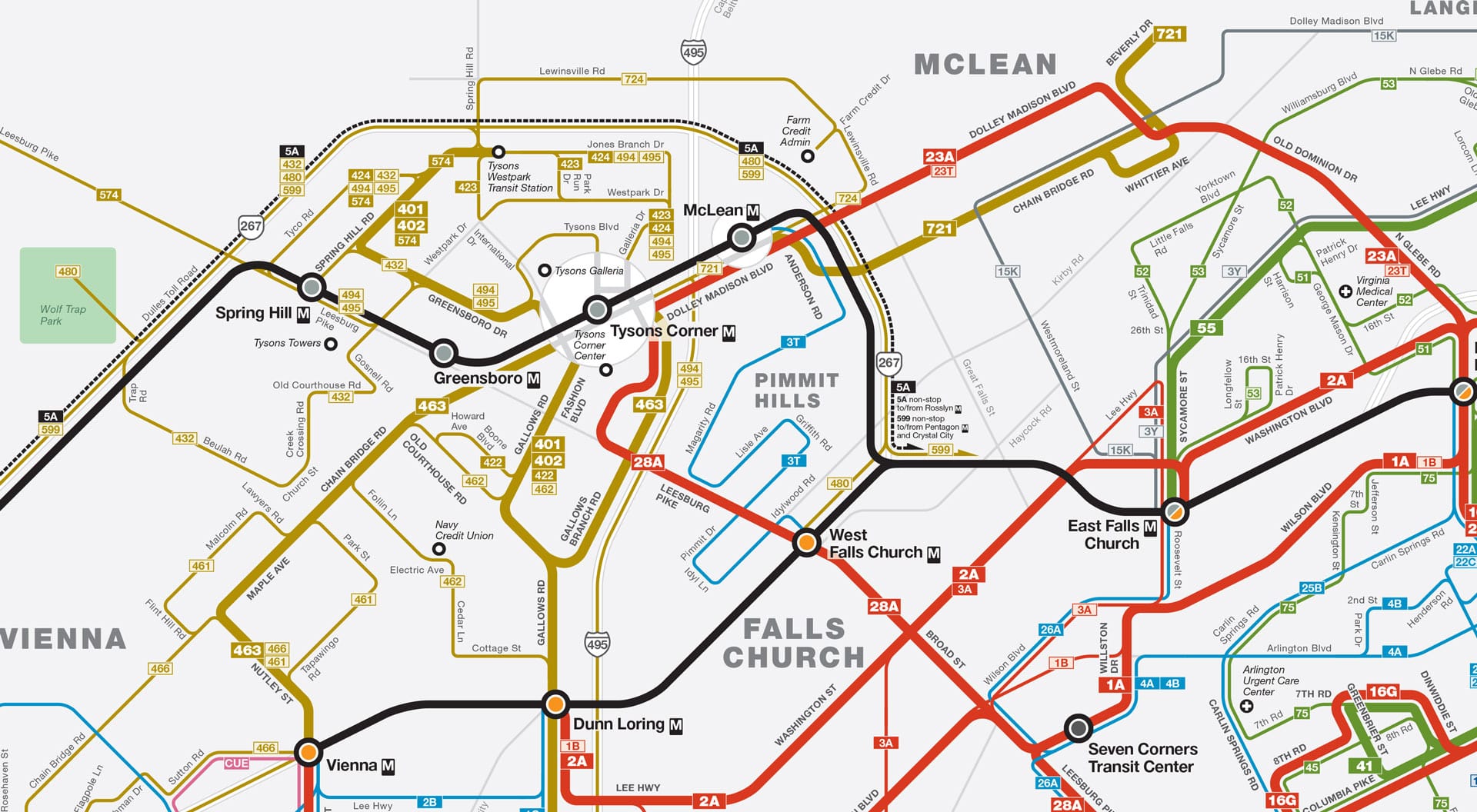
Simplified commute map: McLean to DC, Tysons, airports (placeholder)

Schools (public & private)

Many McLean neighborhoods feed into sought‑after Fairfax County Public Schools pyramids. Several respected private schools are within a 15–25 minute radius. Admissions and boundaries change—verify for your specific address.

Local check: Before you bid, plug the address into the FCPS boundary tool and call the school office to confirm future‑year assignments.

Lifestyle: dining, parks & weekends

  • Dining: Elevated options cluster in Tysons Galleria and along Route 123/7; downtown McLean offers neighborhood favorites and low‑key gems.
  • Parks & trails: Great Falls Park, Scott’s Run Nature Preserve, Clemyjontri Park, and Langley Oaks. Many streets back to parkland—ask about trail cut‑throughs.
  • Retail: Luxury shopping at Tysons Galleria; everyday errands in central McLean. Expect ongoing enhancements along the Tysons corridor.

Costs & housing types

McLean skews higher than neighboring markets due to land value and lot sizes. You’ll find:

  • Renovated 1960s–80s colonials and ramblers on established streets.
  • New‑build luxury homes and curated infill projects (tear‑downs common).
  • Townhomes and condos closer to Tysons for a lower‑maintenance lifestyle.
Buyer tip: Premiums track lot characteristics: usable rear yard, tree canopy, topography, and street quietness. Two similar homes can appraise differently based on these subtleties.

Agent tips (street‑level insights)

  • Mind the cut‑throughs. Some streets feel busier during school drop‑off/commute windows; tour at those exact times.
  • Test your commute. Drive your actual route at your actual hours before you write.
  • Inspect the trees. Mature canopy is a signature here—evaluate health, root systems, and drainage around the foundation.
  • Plan for permits. Renovations and tear‑downs are common; build in time for Fairfax County reviews.
  • Sidewalks & safety. If walkability is key, shortlist West McLean/Salona pockets and verify sidewalk continuity on your block.

FAQs

Is McLean good for commuters?

Yes—especially if you leverage the GW Parkway and avoid peak bottlenecks. Silver Line stations nearby add flexibility.

How competitive is the market?

Turn‑key properties in prime pockets move quickly. Pre‑inspection, strong terms, and flexible post‑occupancy can help.

Which areas are most walkable?

Look around downtown McLean, West McLean, and select pockets near schools and parks. Tysons‑fringe townhomes are walkable to retail and Metro.

Michael Falcone headshot placeholder small

Thinking about McLean?

I tour these streets weekly and track off‑market inventory. Let’s refine your shortlist by commute, school path, and street‑level quiet.
Primary logo placeholder Secondary logo placeholder
© Michael Falcone • All rights reserved • Privacy

Work With Michael

Contact Michael today to learn more about his unique approach to real estate, and how he can help you get the results you deserve.

Follow Me on Instagram