
Search

Leave a Message

By providing your contact information to Falcone Real, your personal information will be processed in accordance with Falcone Real's Privacy Policy. By checking the box(es) below, you consent to receive communications regarding your real estate inquiries and related marketing and promotional updates in the manner selected by you. For SMS text messages, message frequency varies. Message and data rates may apply. You may opt out of receiving further communications from Falcone Real at any time. To opt out of receiving SMS text messages, reply STOP to unsubscribe.

Thank you for your message. I will be in touch with you shortly.

Browse Properties
Lake Accotink Isn't Coming Back. Fairfax County Is Deciding How Small It Gets Instead.

Lake Accotink Isn't Coming Back. Fairfax County Is Deciding How Small It Gets Instead.

"Initially, the study was expected to take 12 months, but we are now in the second year of a hidden process without any progress made."

That's Martin Shepherd, a member of Friends of Lake Accotink, describing the county's stalled timeline to FFXnow reporter James Jarvis back in February 2025. His frustration is now itself out of date. It has been more than a year and a half since he said it, and the process he was complaining about still hasn't produced a final report. The study is still running. The lake is still filling in. And most people who live within walking distance of it have no idea the word "preservation" in the project's name doesn't mean what they think it means.

What the study is actually deciding

Fairfax County isn't studying whether to save Lake Accotink at its current footprint. It's studying how much smaller to let it get on purpose.

Some history explains why. The Army built the lake in 1940 as a freshwater supply for what was then Camp Humphreys, now Fort Belvoir. At its start, it covered more than 110 acres. Postwar development across its 30-square-mile watershed sent decades of runoff and eroded streambank sediment downstream into the lake basin, most of it before Virginia had any stormwater regulations to slow it down. By 1982, a Fairfax County Park Authority study found the lake had lost roughly 75 percent of its original capacity. The county dredged it in 1985. It filled back in fast enough that by 2001, sediment was arriving at a rate of more than 17,000 cubic yards a year. The county dredged again in 2008. A 2016 analysis found the inflow rate had climbed to about 23,000 cubic yards a year, faster than before either dredging project.

Today the lake sits somewhere between 49 and 55 acres, depending on whether you're reading the county's most recent reporting or the U.S. Geological Survey's figure. Either way, it's less than half the size it was when it was built.

In May 2023, the Board of Supervisors formed a Task Force on the Future of Lake Accotink to figure out what came next. In January 2024, the Board didn't direct staff to find a way to restore the lake to its historical size. It directed them to study preserving a smaller lake, somewhere between 20 and 40 acres, at a depth of 4 to 8 feet. That's the piece that tends to surprise residents when they hear it for the first time. The county made its call on scale before the feasibility study on how to get there was even scoped.

Where the study actually stands right now

By July 2024, the Department of Public Works and Environmental Services had issued a task order to engineering firm Arcadis to run the preservation feasibility study, while separately partnering with the USGS to monitor exactly how much sediment Accotink Creek and its Long Branch tributary are still delivering to the lake in real time.

A second open house was held June 6, 2026, at Kings Glen Elementary School, where county staff walked residents through dam assessment findings and sedimentation study progress. The feasibility study itself is now targeted for completion by late 2026, though field data collection is scheduled to run through 2027, which the county has said could still trigger updates to the findings after the fact.

Braddock District Supervisor James Walkinshaw has pushed back on characterizations that the lake is in crisis, arguing sedimentation is a real concern but not an emergency. Friends of Lake Accotink members like Shepherd see it differently, pointing out that every year the study drags on is another year of silt settling in, making whatever dredging eventually happens more expensive and more disruptive. Both things can be true. The lake isn't vanishing tomorrow. It also isn't the lake your parents might have swum near in the 1970s, and the county's own target range means it won't be the lake you're walking past today, either, once a final decision gets made.

For anyone with a home near the park, the practical takeaway is simple: the shoreline you see this fall and the shoreline that exists once this process wraps may not be the same line. The county hasn't yet said where the new edge falls.

Two different lakes share the same September weekend

Here's where local knowledge actually matters, because Burke has two lakes and people mix them up constantly.

If your image of a lake day in this area involves a miniature train, a carousel, and a mini-golf course, you're picturing Burke Lake Park, an 888-acre county park with its own golf center, campgrounds, and a 4.7-mile trail loop. That park isn't part of the preservation debate.

The lake at the center of the sedimentation study is Lake Accotink Park, a separate 476-acre property closer to the Beltway, where the shrinking shoreline is the actual subject of the feasibility study described above.

This September, both places matter on the same weekend. September 26 and 27 bring the Burke Centre Festival to the Burke Centre Festival Grounds at 6060 Burke Centre Parkway, an event the Conservancy has run every year on the first weekend after Labor Day. Saturday opens at 9:30 a.m. with a flag-raising ceremony and a Quilts of Valor presentation honoring local veterans. The wine and beer garden, running noon to 5 p.m. both days, features Cave Ridge Vineyards and Bunnyman Brewing. Saturday extends into a 5 to 10 p.m. stretch with live music, and Fairfax Connector is again sponsoring free shuttle service along Burke Centre Parkway for the whole weekend.

That same Saturday, September 26, Lake Accotink Park is hosting Bug Fest from 10 a.m. to 2 p.m., a $10 family program built around insect safari hikes, live insect meet-and-greets, a buggy maze, and a spiderweb slackline course. Families walking that shoreline for an afternoon of crafts and bug-themed storytelling are standing on the exact ground the county's preservation study is deciding the future of, whether they know it or not.

The rest of Burke's fall doesn't wait on a feasibility study

Civic timelines move slowly. The neighborhood around them doesn't.

South Block, the açai bowl and smoothie chain, opened its newest Virginia location in Burke Centre Shopping Center on March 28, 2026, at 5765D Burke Centre Parkway, marking the brand's 24th location with an all-day block party, free Mini Warrior Bowls for the first 100 guests, and a live DJ. Over at Burke Lake Park, the Arts in the Parks amphitheater series closed out its 2026 run this summer with a lineup that included Grammy winner Fyutch's interactive hip-hop show, a family set from Dan and Claudia Zanes, JChris's Encanto-themed performance in July, and Mr. Lilo Gonzalez in August. Come October, Burke Lake Park turns its mini-golf course over to Halloween-themed weekend sessions running the first three weekends of the month.

None of that is contingent on how the Lake Accotink question resolves. The neighborhood keeps adding small businesses and running its seasonal programming regardless of what Arcadis and the county decide about lake size. That's worth knowing on its own, separate from the lake debate: Burke's day-to-day texture isn't hostage to one civic process, even a slow one.

What to watch before the year ends

The county's own target for finishing the feasibility study is late 2026, which means an update could land before the holidays. If you want to follow the process directly rather than wait for the next open house announcement, the county's public engagement page tracks milestones as they're published, and Friends of Lake Accotink has been the most consistent independent voice pushing for a faster timeline.

Whatever the final acreage number turns out to be, it will shape how Lake Accotink Park looks and functions for the next generation of Burke families showing up for Bug Fest, fishing off the pier, or just walking the trail after dinner. That's the kind of detail that doesn't show up on a listing sheet, but it's exactly the kind of thing worth knowing about a place before you plant roots there or decide it's time to move.

If you're weighing a move into Burke, thinking about what your own property near the park might be worth, or just want a straight answer about how something like the Lake Accotink study could affect a specific address, Michael Falcone has spent enough time in Northern Virginia's neighborhoods to talk through it plainly. Reach out for a home valuation or a conversation about the Burke market whenever you're ready.

Living & Working in McLean, VA: Pros & Cons (Local Guide)
Michael Falcone headshot placeholder
By Michael Falcone • Updated Aug 18, 2025
HomeGuidesMcLean, VA
Local Guide

Living & Working in McLean, VA: The Real Pros & Cons

Reading time: 8–10 mins Region: McLean, Tysons, Great Falls corridor
Tree‑lined street and elegant homes in McLean, VA (placeholder)

McLean blends quiet, tree‑canopied neighborhoods with fast access to Tysons, DC, and the George Washington Parkway. It’s where privacy and proximity meet—if you know which streets to target.

Pros (Why people choose McLean)

  • Proximity without the city noise. Minutes to Tysons, 15–25 minutes to DC in off‑peak via GW Parkway; quick access to I‑495, Route 123, and Route 7.
  • Top‑tier public schools. Many neighborhoods feed into highly rated FCPS pyramids; competitive private options nearby.
  • Lot size & privacy. Mature trees, larger lots than Arlington or Alexandria; pockets with estate‑style settings.
  • Safety & prestige. Quiet streets, well‑kept homes, and a refined, low‑key feel.
  • Outdoor access. Great Falls Park, Scott’s Run, and Langley Oaks trails are weekend staples.
  • Dining & retail upgrades. Tysons Corner Center, Tysons Galleria, and a growing fine‑dining scene within a 10‑minute radius.

Cons (The trade‑offs)

  • Peak‑hour traffic. GW Parkway, Chain Bridge, Route 123, and Route 7 bottlenecks can add significant time.
  • Price point. Premium land values; new builds and renovated homes command high multiples.
  • Walkability varies. Some pockets are car‑dependent; sidewalks aren’t universal on interior streets.
  • Older housing stock in core McLean. Many 1960s–1980s homes need updates; tear‑down activity is common.
  • Metro access is nearby—but not everywhere. Silver Line stations sit mainly in Tysons; plan for a short drive or bike unless you’re very close to the McLean station area.
Local note: If your commute depends on Chain Bridge or the GW Parkway, your exact street matters. Two similar addresses can mean a 10‑ to 20‑minute difference during peak.

Neighborhood snapshots (insider quick‑takes)
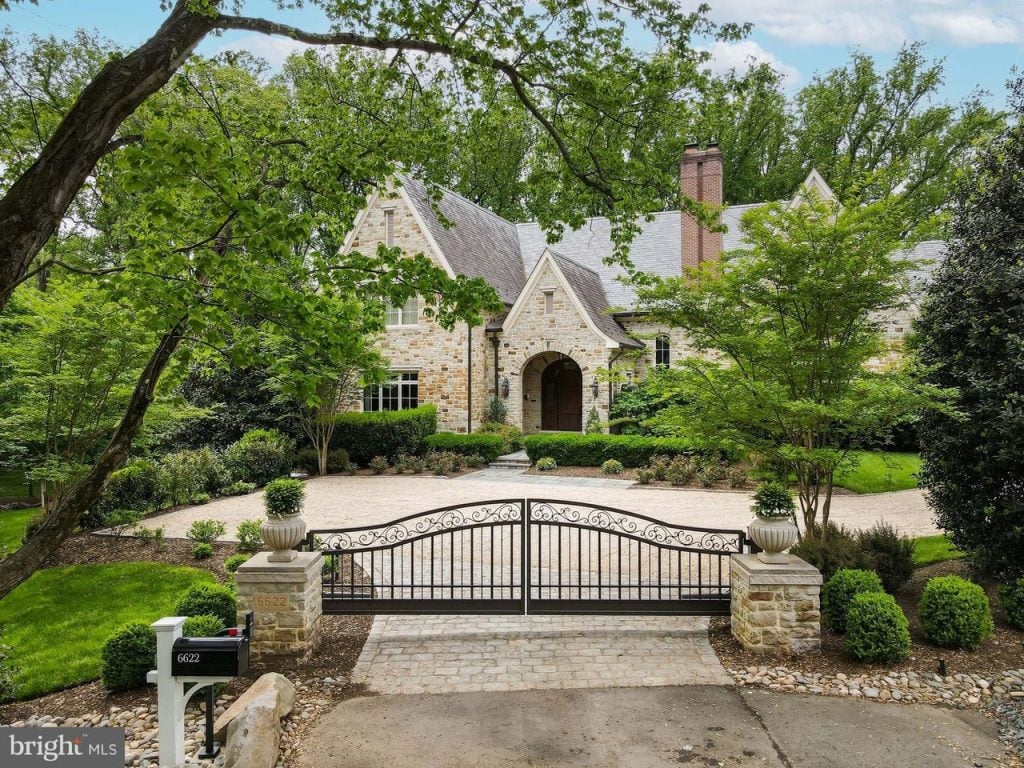
Langley area streetscape (placeholder)

Langley / Chain Bridge Road Estate lots

Leafy, quiet, and close to GW Parkway. Popular for privacy, proximity to DC, and access to scenic trails.
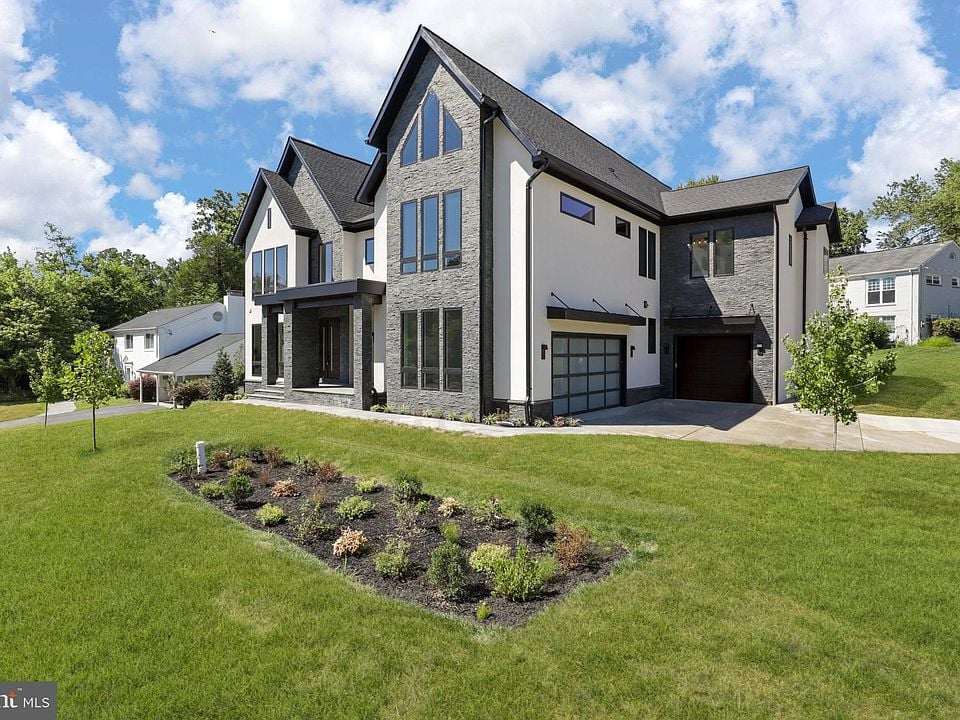
West McLean sidewalk scene (placeholder)

West McLean Convenience

Near central McLean shops and dining; mix of renovated ramblers and new builds. Sidewalk coverage is better here.
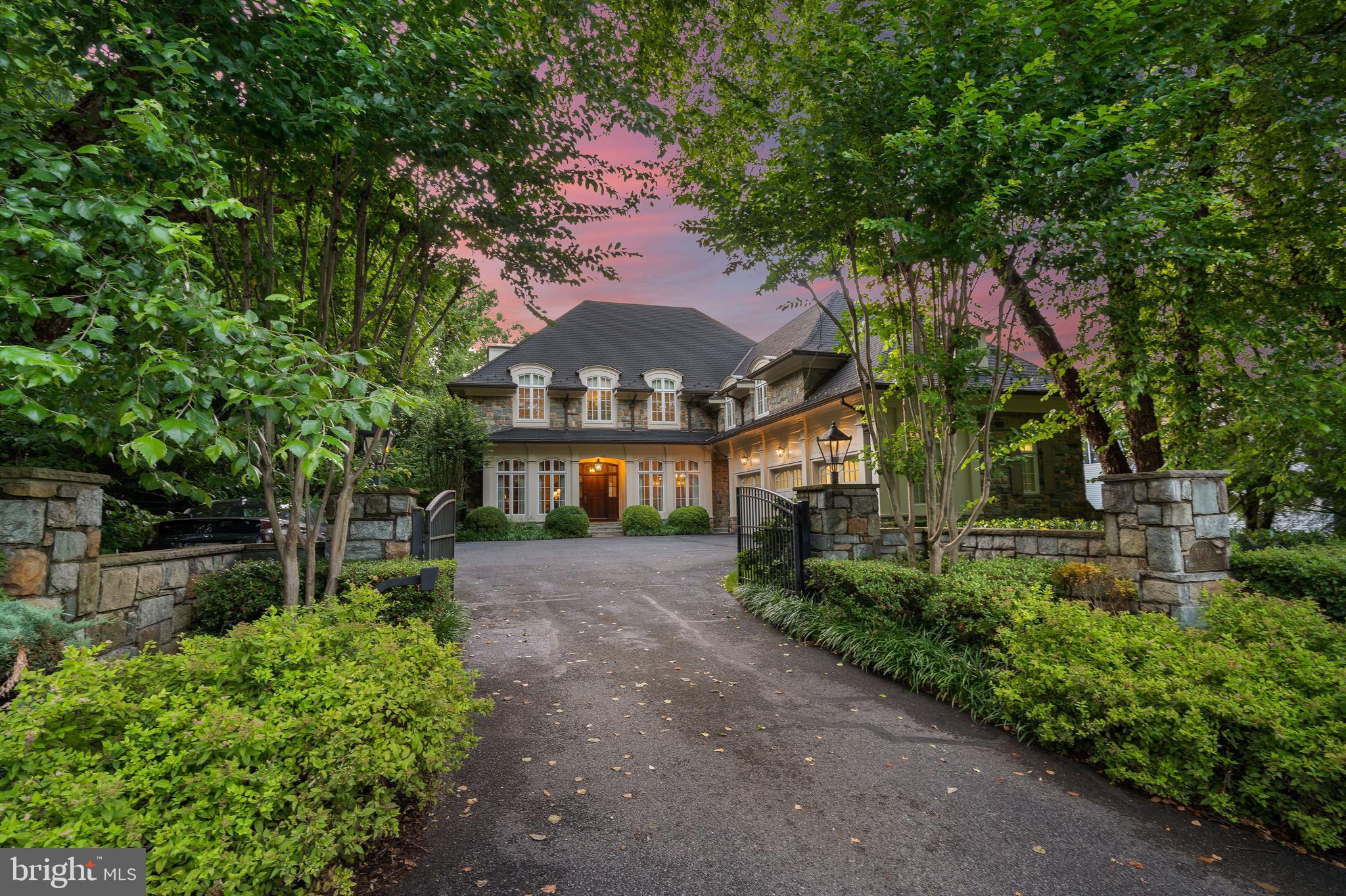
Salona Village home (placeholder)

Salona Village Walkable pockets

Coveted for proximity to downtown McLean and parks; premium for updated homes on larger lots.
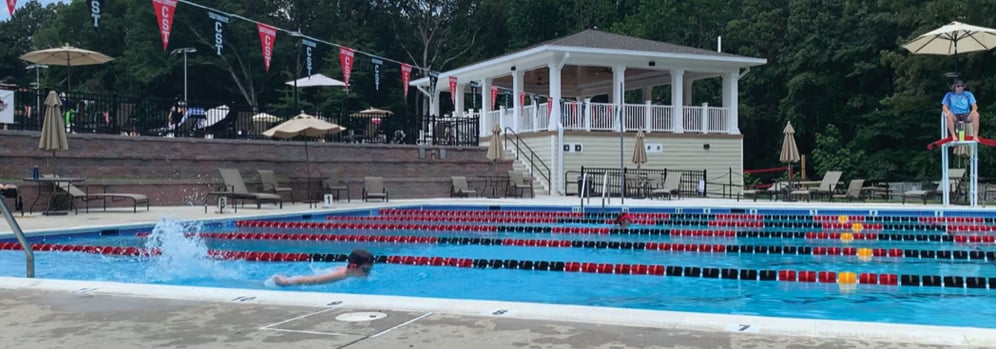
Lewinsville area (placeholder)

Lewinsville / Chesterbrook School focus

Streets with a neighborhood feel, strong school pyramids, a CLub and Pool, and quick access toward Tysons and Arlington.
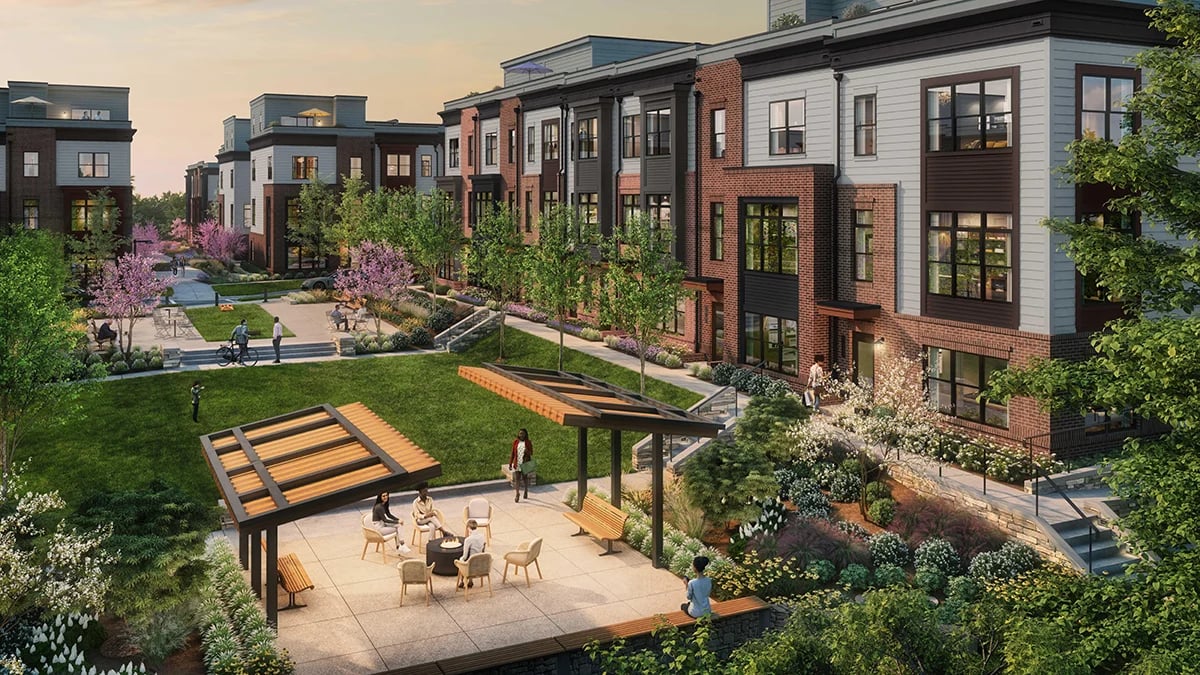
Tysons fringe townhomes (placeholder)

Tysons Fringe Urban access

Townhomes and newer builds within a short hop to Silver Line stations and luxury retail.
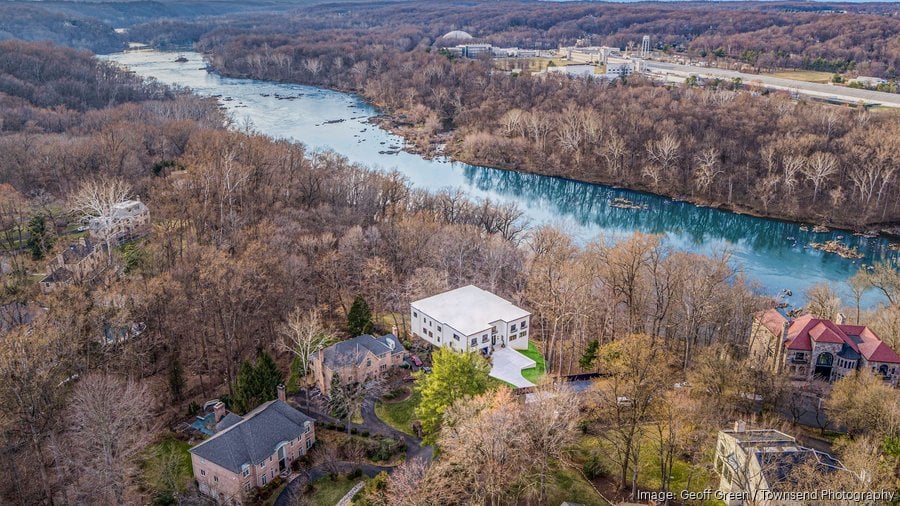
River Oaks area (placeholder)

River Oaks / Potomac side Scenic

Near Scott’s Run and the river; serene streets and a nature‑first vibe. Limited retail—by design.

Commute & transit

  • Fast routes off‑peak: GW Parkway to DC (Chain Bridge/Memorial Bridge), I‑495 to Maryland or Dulles tech corridor.
  • Metro (Silver Line): Stations at McLean, Tysons Corner, Greensboro, Spring Hill. Most McLean addresses are a short drive or bike away.
  • Peak tips: Depart before 7:15am or after 9:15am for DC‑bound trips; in the evening, watch Route 7/123 merges near Tysons.
  • Airport access: DCA via GW Parkway; IAD via Dulles Toll Road or I‑495 express lanes.
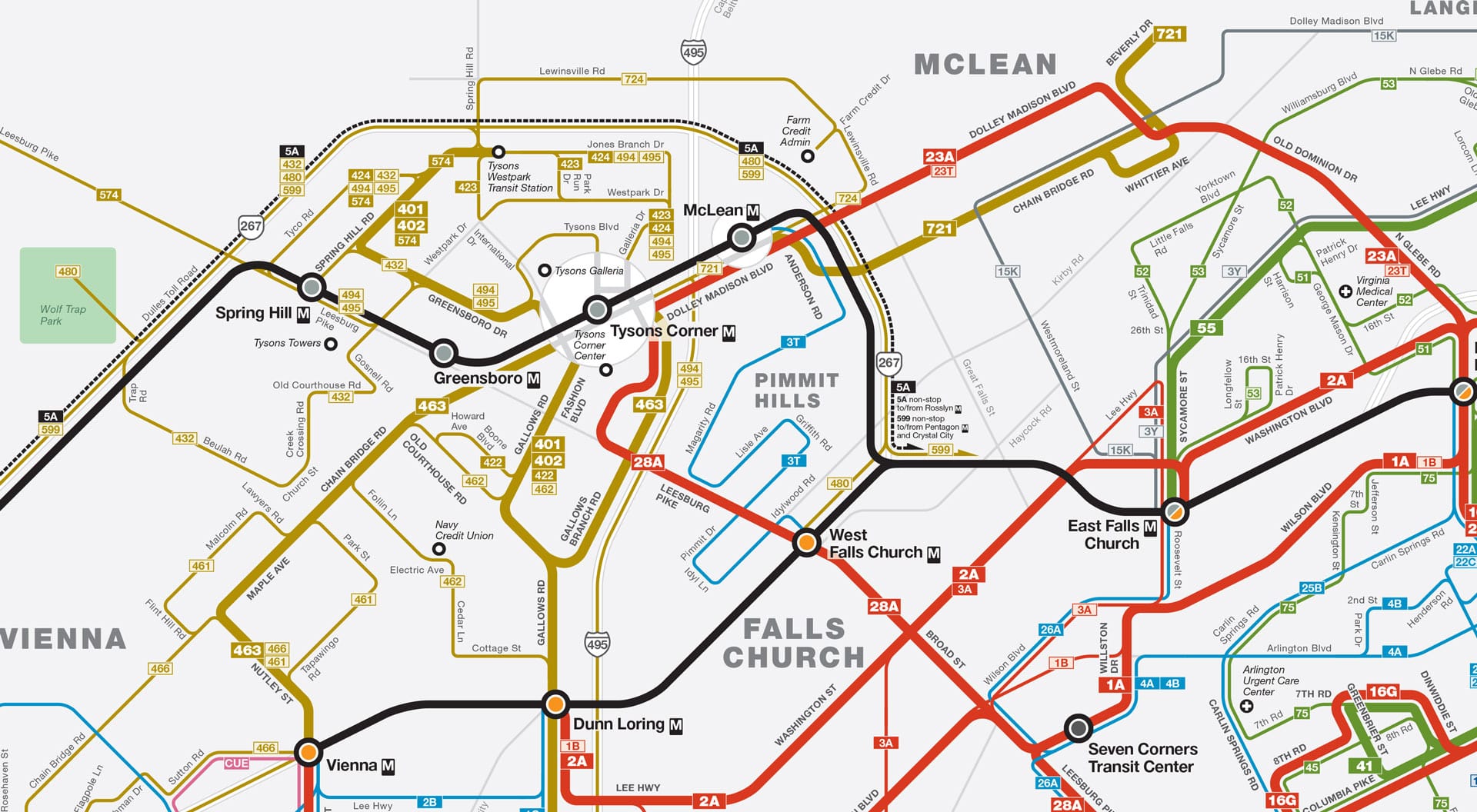
Simplified commute map: McLean to DC, Tysons, airports (placeholder)

Schools (public & private)

Many McLean neighborhoods feed into sought‑after Fairfax County Public Schools pyramids. Several respected private schools are within a 15–25 minute radius. Admissions and boundaries change—verify for your specific address.

Local check: Before you bid, plug the address into the FCPS boundary tool and call the school office to confirm future‑year assignments.

Lifestyle: dining, parks & weekends

  • Dining: Elevated options cluster in Tysons Galleria and along Route 123/7; downtown McLean offers neighborhood favorites and low‑key gems.
  • Parks & trails: Great Falls Park, Scott’s Run Nature Preserve, Clemyjontri Park, and Langley Oaks. Many streets back to parkland—ask about trail cut‑throughs.
  • Retail: Luxury shopping at Tysons Galleria; everyday errands in central McLean. Expect ongoing enhancements along the Tysons corridor.

Costs & housing types

McLean skews higher than neighboring markets due to land value and lot sizes. You’ll find:

  • Renovated 1960s–80s colonials and ramblers on established streets.
  • New‑build luxury homes and curated infill projects (tear‑downs common).
  • Townhomes and condos closer to Tysons for a lower‑maintenance lifestyle.
Buyer tip: Premiums track lot characteristics: usable rear yard, tree canopy, topography, and street quietness. Two similar homes can appraise differently based on these subtleties.

Agent tips (street‑level insights)

  • Mind the cut‑throughs. Some streets feel busier during school drop‑off/commute windows; tour at those exact times.
  • Test your commute. Drive your actual route at your actual hours before you write.
  • Inspect the trees. Mature canopy is a signature here—evaluate health, root systems, and drainage around the foundation.
  • Plan for permits. Renovations and tear‑downs are common; build in time for Fairfax County reviews.
  • Sidewalks & safety. If walkability is key, shortlist West McLean/Salona pockets and verify sidewalk continuity on your block.

FAQs

Is McLean good for commuters?

Yes—especially if you leverage the GW Parkway and avoid peak bottlenecks. Silver Line stations nearby add flexibility.

How competitive is the market?

Turn‑key properties in prime pockets move quickly. Pre‑inspection, strong terms, and flexible post‑occupancy can help.

Which areas are most walkable?

Look around downtown McLean, West McLean, and select pockets near schools and parks. Tysons‑fringe townhomes are walkable to retail and Metro.

Michael Falcone headshot placeholder small

Thinking about McLean?

I tour these streets weekly and track off‑market inventory. Let’s refine your shortlist by commute, school path, and street‑level quiet.
Primary logo placeholder Secondary logo placeholder
© Michael Falcone • All rights reserved • Privacy

Work With Michael

Contact Michael today to learn more about his unique approach to real estate, and how he can help you get the results you deserve.

Follow Me on Instagram