
Search

Leave a Message

By providing your contact information to Falcone Real, your personal information will be processed in accordance with Falcone Real's Privacy Policy. By checking the box(es) below, you consent to receive communications regarding your real estate inquiries and related marketing and promotional updates in the manner selected by you. For SMS text messages, message frequency varies. Message and data rates may apply. You may opt out of receiving further communications from Falcone Real at any time. To opt out of receiving SMS text messages, reply STOP to unsubscribe.

Thank you for your message. I will be in touch with you shortly.

Browse Properties
The Ten-Week Delay Behind Old Town's Market Square Fence, and What It Means for Your Saturday

The Ten-Week Delay Behind Old Town's Market Square Fence, and What It Means for Your Saturday

Walk past 301 King Street this month and you'll notice something new behind the chain-link: a high-reach demolition excavator, working its way through the 1960s addition to City Hall one section at a time. If you assumed the fence around Market Square was just about a closed parking garage, the last few weeks have quietly corrected that assumption. And if you assumed this whole project would be a wrapped-up memory by the time your kids finish elementary school, the city's own construction updates suggest you should recalculate.

Here's the number that matters more than any completion date on a press release: ten weeks. That's how long an unexpected asbestos discovery pushed back the City Hall and Market Square renovation, according to a recent report from the local news outlet Alexandria Brief. Ten weeks doesn't sound like much against a multi-year project. But it tells you something the optimistic version of this story leaves out.

The Two-to-Three-Year Range Was Never Just Caution

When the city first described the construction timeline for renovating its 153-year-old City Hall and the adjoining Market Square plaza and garage, officials used a specific phrase: the work would take "two to three years." That's not a typo or a rounding error. It's a twelve-month spread, built into the plan from the start, presumably to absorb exactly the kind of surprise that a 1960s building addition tends to produce when contractors start opening walls.

Grunley Construction Company mobilized on site in late February 2026. City Hall itself closed to the public in January. For the months that followed, almost nothing was visible from the sidewalk. Crews were doing the unglamorous work of environmental abatement, prepping the non-structural parts of the old addition for removal, and installing what the city calls a Support of Excavation system, essentially a temporary wall of piles meant to stabilize the underground garage before it comes apart. That pile work is still going, expected to run through early fall 2026.

Then came the asbestos. Older buildings, including the 1960s infill section grafted onto the historic 1871 City Hall, often contain materials that were standard decades ago and require specialized handling now. Removing it safely took time the schedule hadn't planned for, at least not explicitly. Eight months into a project with a twelve-month cushion, a chunk of that cushion is already spent. If you're the kind of person who plans your errands around this fence, that math should shift your expectations toward the longer end of "two to three years," not the shorter one.

What's Actually Happening Behind the Fence Right Now

As of the city's September 1 construction update, the hazardous material removal is done. That clears the way for the next visible milestone: deconstruction of the 1960s addition, which began this month. Expect a demolition excavator taking the structure apart in sections, more truck traffic along the city's approved haul route, and additional noise during permitted construction hours. The 1871 building itself is being preserved through this phase, not touched. It's the newer addition coming down first.

Underneath all of it, the underground garage, roughly 90,000 square feet across two levels, is still in the stabilization phase ahead of its own demolition. Once the pile system is complete, that structure gets taken apart too, to be replaced along with the plaza above it.

There's a genuinely charming detail buried in the mechanical plans. The old City Hall heating system runs on a boiler that dates back to 1945, retrofitted from what used to be a coal furnace. "It goes back to the old doors where you shoveled in coal," Jeremy McPike, the city's director of general services, said of the setup. That boiler is being replaced with a closed-loop geothermal well system drilled beneath the garage, supplemented by offsite solar. It's a small thing, but it explains part of why this project takes years rather than months. You don't swap a coal-era heating system for geothermal wells over a long weekend.

The Farmers Market's "Temporary" Home Isn't Temporary in Any Way That Matters

Here's where the ten-week delay actually touches your Saturday morning. The Old Town Farmers' Market, which has operated at Market Square since 1753, relocated on January 10, 2026, to the 100 block of North Royal Street and the courtyard at Tavern Square, directly across the street from its historic footprint. More than 70 vendors made the move with it: farmers, bakers, florists, the usual mix that's been showing up on Saturday mornings for longer than the country has existed in its current form.

The city always described this as temporary, tied to the same two-to-three-year construction window. But temporary and short are different words. If the project's own delay math points toward the far end of that range, the market's new home on North Royal Street isn't a detour you wait out. It's the market's address for most of the back half of this decade. If you've been treating the North Royal location as a placeholder you can ignore until things go back to normal, it may be worth treating it as normal instead.

The Practical Stuff: Parking, Buses, and Getting Around

The Market Square Garage is closed for the duration of construction, full stop. If you used to duck in there before a farmers market run, that habit needs to change. The city has set up two alternatives with free Saturday parking during market hours, 6:30 a.m. to 12:30 p.m.: the Tavern Square Garage at 418 Cameron Street and the Courthouse Square Garage at 111 South Pitt Street. The Torpedo Factory Garage on North Union Street and the South Union Street Garage are also in the rotation if those two fill up.

Bus and trolley riders have their own adjustment. The shared DASH and King Street Trolley stop at North Fairfax and King has moved more than once for safety reasons as construction fencing shifts, and as of spring 2026 it sits near the 300 block of King Street. The motorcoach loading zone, for anyone coordinating a group tour or a bus pickup, has shifted one block to 401 King Street.

None of this is dramatic on its own. But stacked together, it's the kind of low-grade friction that changes a routine without anyone announcing it clearly in one place. The city posts updates through its CityHall renovation page and a construction webcam that refreshes every ten minutes, which is a genuinely useful way to see what's happening behind the fence without walking over there yourself.

Why the Long Timeline Might Be Worth It

City services that used to run out of City Hall have scattered to temporary and permanent locations, with the Del Pepper Community Resource Center at 4850 Mark Center Drive absorbing a lot of the load in the meantime. That's inconvenient if you need a permit or a real estate record. It's also part of what a 150-year-old public building needs when the plumbing, wiring, and HVAC are original enough to include a coal-era boiler.

McPike has framed the goal in plain terms: keep the building that anchors Alexandria's civic identity intact, even while gutting the mechanical guts installed when Truman was president. The renovation is paired with the city's Green Building Plan, which targets carbon-neutral new construction by 2030, and the geothermal system is designed to run for fifty years or more once it's in. That's a long payoff for a project that's already testing everyone's patience, but it's the kind of infrastructure decision that a two-to-three-year window, even a stretched one, is built to accommodate.

For now, the honest read is this: the fence isn't a short-term inconvenience you're waiting out. It's the current shape of the neighborhood's civic center for a while longer than the original brochure suggested, and the smart move is to learn the new parking garages and the new market address rather than counting down to the old ones.


Michael Falcone has walked these blocks of Alexandria and the rest of Northern Virginia long enough to know that the texture of a neighborhood, the fences, the detours, the market vendors who show up every Saturday no matter what's under construction across the street, is exactly what makes a place worth paying attention to. If you're curious about what's happening in Old Town or any of the neighborhoods Falcone Real covers, or if the time ever comes to talk about your own address in the middle of all this change, reach out any time.

Living & Working in McLean, VA: Pros & Cons (Local Guide)
Michael Falcone headshot placeholder
By Michael Falcone • Updated Aug 18, 2025
HomeGuidesMcLean, VA
Local Guide

Living & Working in McLean, VA: The Real Pros & Cons

Reading time: 8–10 mins Region: McLean, Tysons, Great Falls corridor
Tree‑lined street and elegant homes in McLean, VA (placeholder)

McLean blends quiet, tree‑canopied neighborhoods with fast access to Tysons, DC, and the George Washington Parkway. It’s where privacy and proximity meet—if you know which streets to target.

Pros (Why people choose McLean)

  • Proximity without the city noise. Minutes to Tysons, 15–25 minutes to DC in off‑peak via GW Parkway; quick access to I‑495, Route 123, and Route 7.
  • Top‑tier public schools. Many neighborhoods feed into highly rated FCPS pyramids; competitive private options nearby.
  • Lot size & privacy. Mature trees, larger lots than Arlington or Alexandria; pockets with estate‑style settings.
  • Safety & prestige. Quiet streets, well‑kept homes, and a refined, low‑key feel.
  • Outdoor access. Great Falls Park, Scott’s Run, and Langley Oaks trails are weekend staples.
  • Dining & retail upgrades. Tysons Corner Center, Tysons Galleria, and a growing fine‑dining scene within a 10‑minute radius.

Cons (The trade‑offs)

  • Peak‑hour traffic. GW Parkway, Chain Bridge, Route 123, and Route 7 bottlenecks can add significant time.
  • Price point. Premium land values; new builds and renovated homes command high multiples.
  • Walkability varies. Some pockets are car‑dependent; sidewalks aren’t universal on interior streets.
  • Older housing stock in core McLean. Many 1960s–1980s homes need updates; tear‑down activity is common.
  • Metro access is nearby—but not everywhere. Silver Line stations sit mainly in Tysons; plan for a short drive or bike unless you’re very close to the McLean station area.
Local note: If your commute depends on Chain Bridge or the GW Parkway, your exact street matters. Two similar addresses can mean a 10‑ to 20‑minute difference during peak.

Neighborhood snapshots (insider quick‑takes)
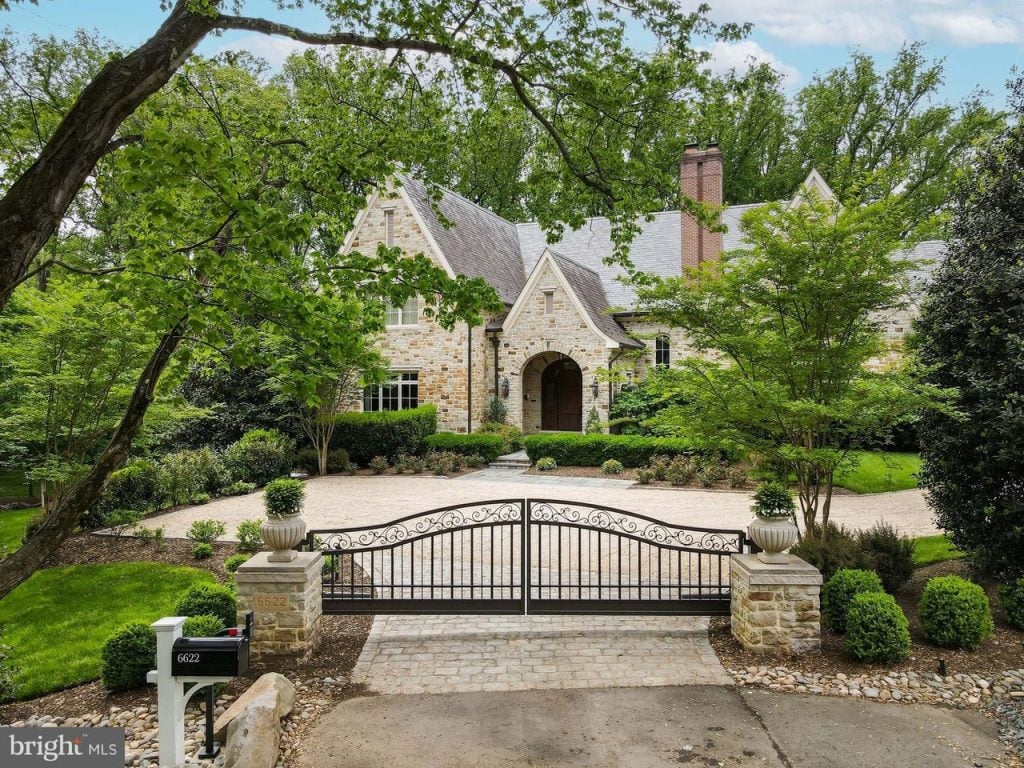
Langley area streetscape (placeholder)

Langley / Chain Bridge Road Estate lots

Leafy, quiet, and close to GW Parkway. Popular for privacy, proximity to DC, and access to scenic trails.
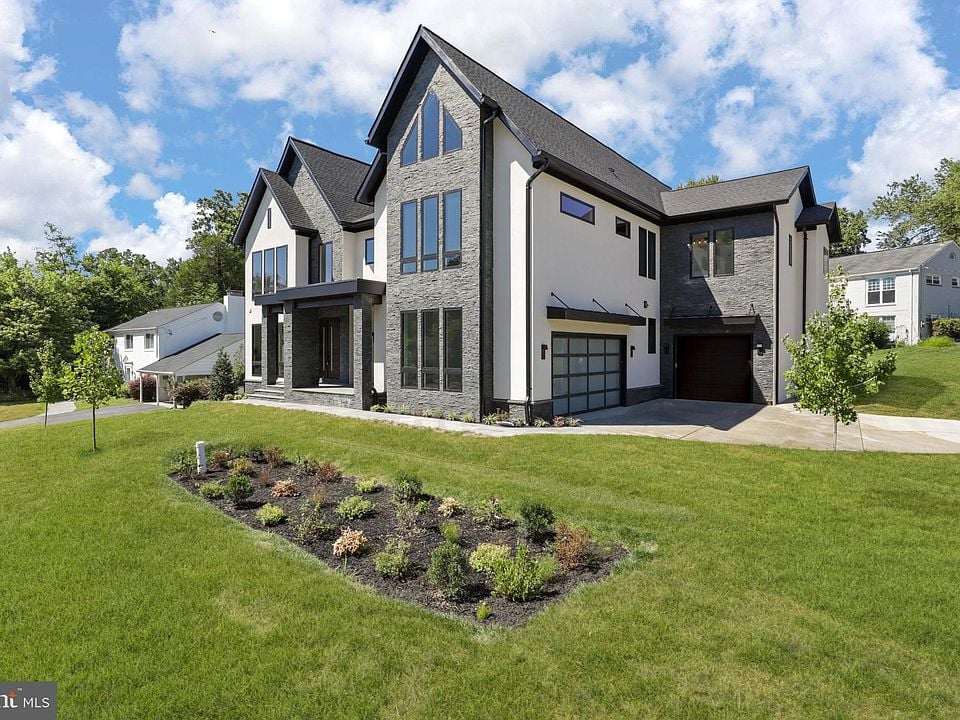
West McLean sidewalk scene (placeholder)

West McLean Convenience

Near central McLean shops and dining; mix of renovated ramblers and new builds. Sidewalk coverage is better here.
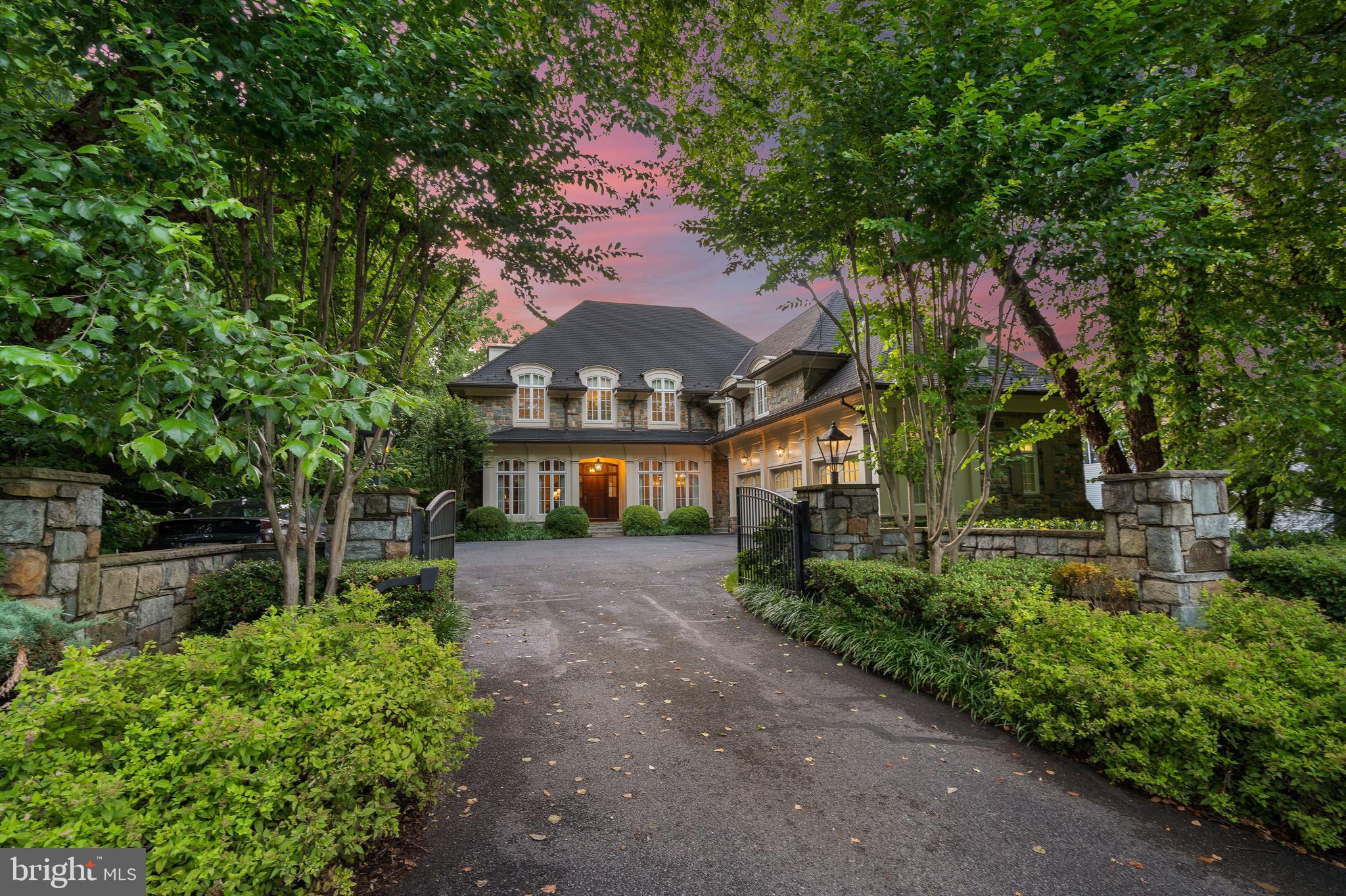
Salona Village home (placeholder)

Salona Village Walkable pockets

Coveted for proximity to downtown McLean and parks; premium for updated homes on larger lots.
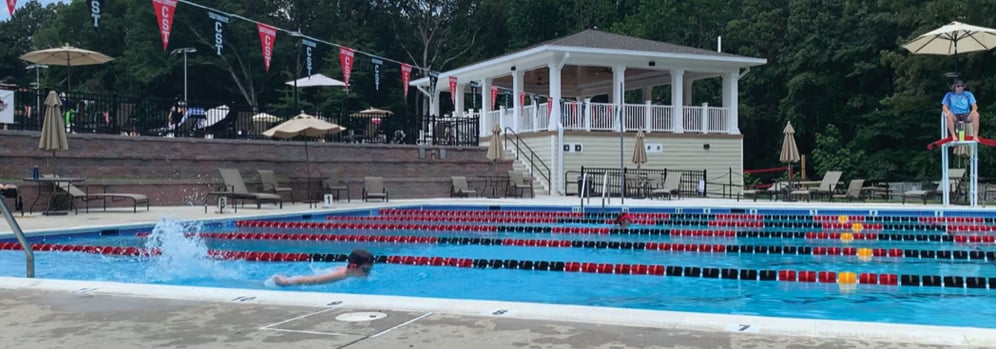
Lewinsville area (placeholder)

Lewinsville / Chesterbrook School focus

Streets with a neighborhood feel, strong school pyramids, a CLub and Pool, and quick access toward Tysons and Arlington.
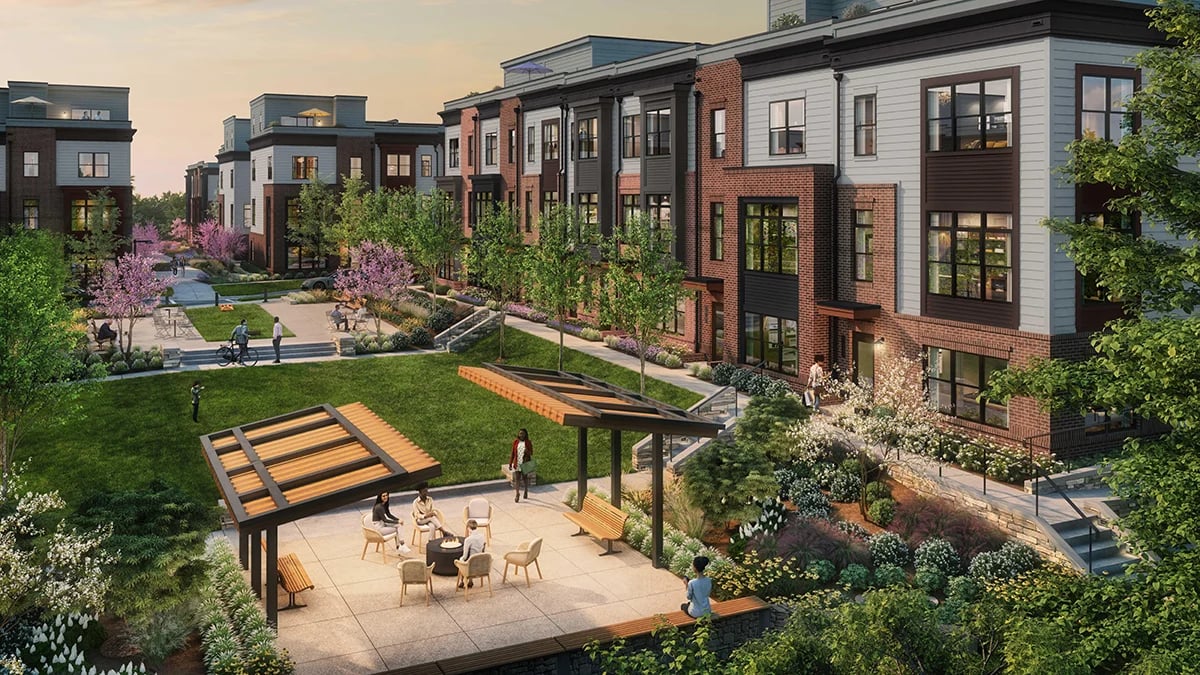
Tysons fringe townhomes (placeholder)

Tysons Fringe Urban access

Townhomes and newer builds within a short hop to Silver Line stations and luxury retail.
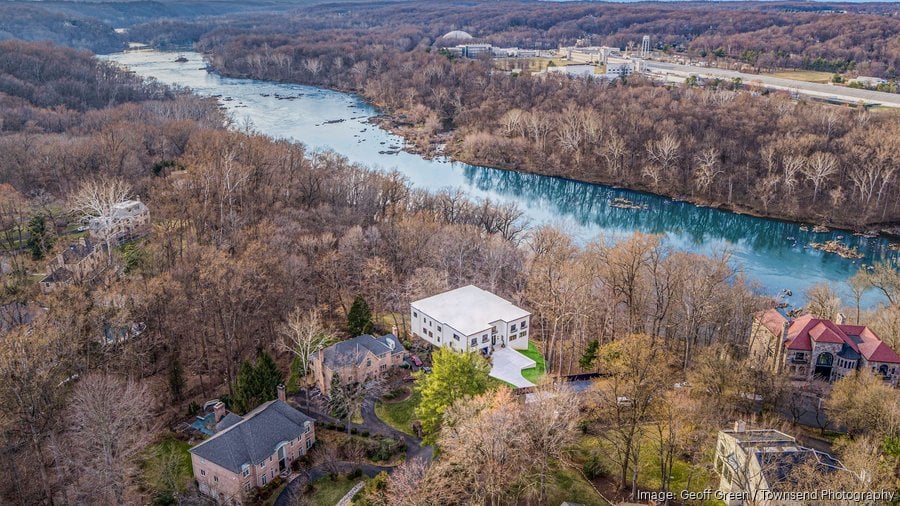
River Oaks area (placeholder)

River Oaks / Potomac side Scenic

Near Scott’s Run and the river; serene streets and a nature‑first vibe. Limited retail—by design.

Commute & transit

  • Fast routes off‑peak: GW Parkway to DC (Chain Bridge/Memorial Bridge), I‑495 to Maryland or Dulles tech corridor.
  • Metro (Silver Line): Stations at McLean, Tysons Corner, Greensboro, Spring Hill. Most McLean addresses are a short drive or bike away.
  • Peak tips: Depart before 7:15am or after 9:15am for DC‑bound trips; in the evening, watch Route 7/123 merges near Tysons.
  • Airport access: DCA via GW Parkway; IAD via Dulles Toll Road or I‑495 express lanes.
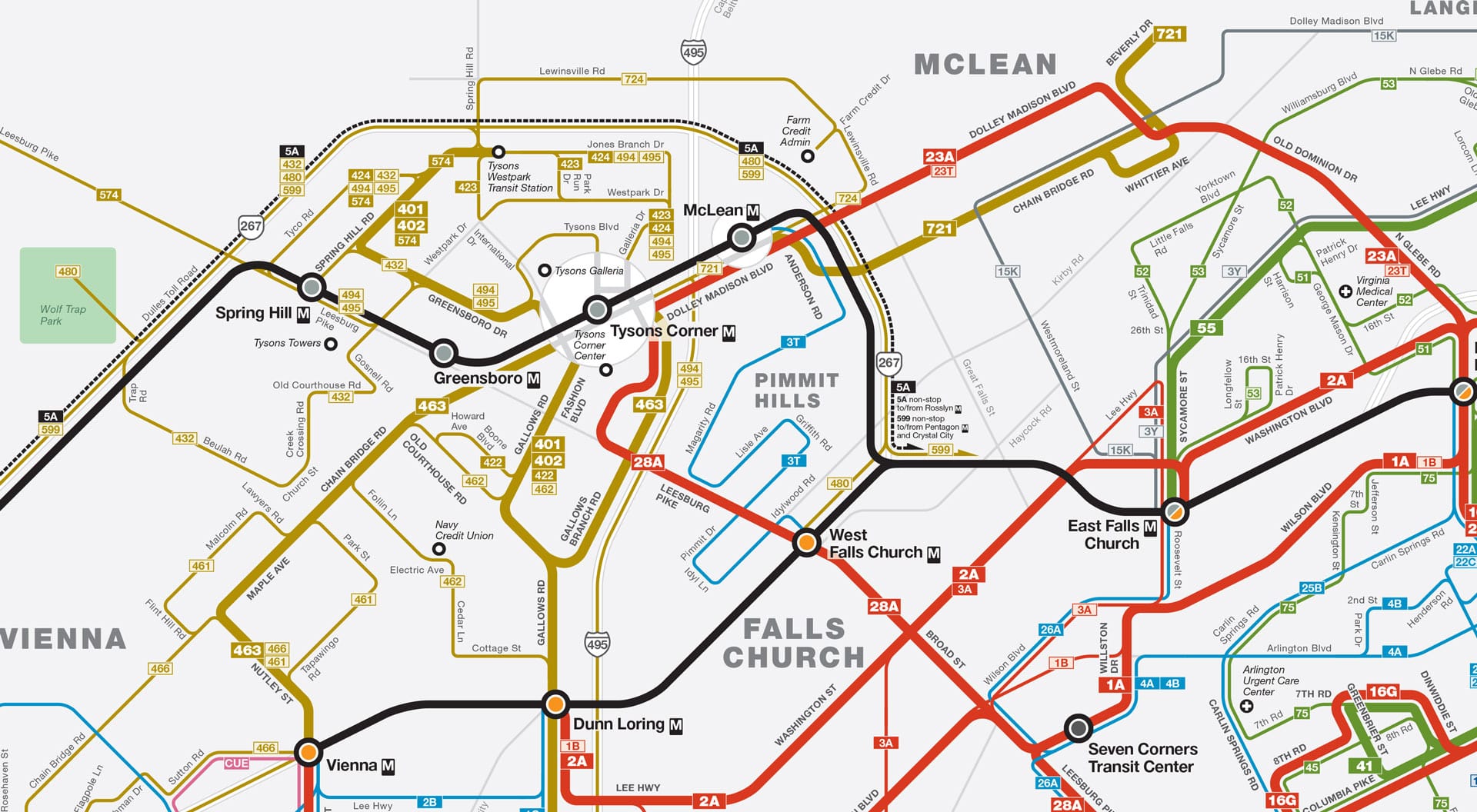
Simplified commute map: McLean to DC, Tysons, airports (placeholder)

Schools (public & private)

Many McLean neighborhoods feed into sought‑after Fairfax County Public Schools pyramids. Several respected private schools are within a 15–25 minute radius. Admissions and boundaries change—verify for your specific address.

Local check: Before you bid, plug the address into the FCPS boundary tool and call the school office to confirm future‑year assignments.

Lifestyle: dining, parks & weekends

  • Dining: Elevated options cluster in Tysons Galleria and along Route 123/7; downtown McLean offers neighborhood favorites and low‑key gems.
  • Parks & trails: Great Falls Park, Scott’s Run Nature Preserve, Clemyjontri Park, and Langley Oaks. Many streets back to parkland—ask about trail cut‑throughs.
  • Retail: Luxury shopping at Tysons Galleria; everyday errands in central McLean. Expect ongoing enhancements along the Tysons corridor.

Costs & housing types

McLean skews higher than neighboring markets due to land value and lot sizes. You’ll find:

  • Renovated 1960s–80s colonials and ramblers on established streets.
  • New‑build luxury homes and curated infill projects (tear‑downs common).
  • Townhomes and condos closer to Tysons for a lower‑maintenance lifestyle.
Buyer tip: Premiums track lot characteristics: usable rear yard, tree canopy, topography, and street quietness. Two similar homes can appraise differently based on these subtleties.

Agent tips (street‑level insights)

  • Mind the cut‑throughs. Some streets feel busier during school drop‑off/commute windows; tour at those exact times.
  • Test your commute. Drive your actual route at your actual hours before you write.
  • Inspect the trees. Mature canopy is a signature here—evaluate health, root systems, and drainage around the foundation.
  • Plan for permits. Renovations and tear‑downs are common; build in time for Fairfax County reviews.
  • Sidewalks & safety. If walkability is key, shortlist West McLean/Salona pockets and verify sidewalk continuity on your block.

FAQs

Is McLean good for commuters?

Yes—especially if you leverage the GW Parkway and avoid peak bottlenecks. Silver Line stations nearby add flexibility.

How competitive is the market?

Turn‑key properties in prime pockets move quickly. Pre‑inspection, strong terms, and flexible post‑occupancy can help.

Which areas are most walkable?

Look around downtown McLean, West McLean, and select pockets near schools and parks. Tysons‑fringe townhomes are walkable to retail and Metro.

Michael Falcone headshot placeholder small

Thinking about McLean?

I tour these streets weekly and track off‑market inventory. Let’s refine your shortlist by commute, school path, and street‑level quiet.
Primary logo placeholder Secondary logo placeholder
© Michael Falcone • All rights reserved • Privacy

Work With Michael

Contact Michael today to learn more about his unique approach to real estate, and how he can help you get the results you deserve.

Follow Me on Instagram