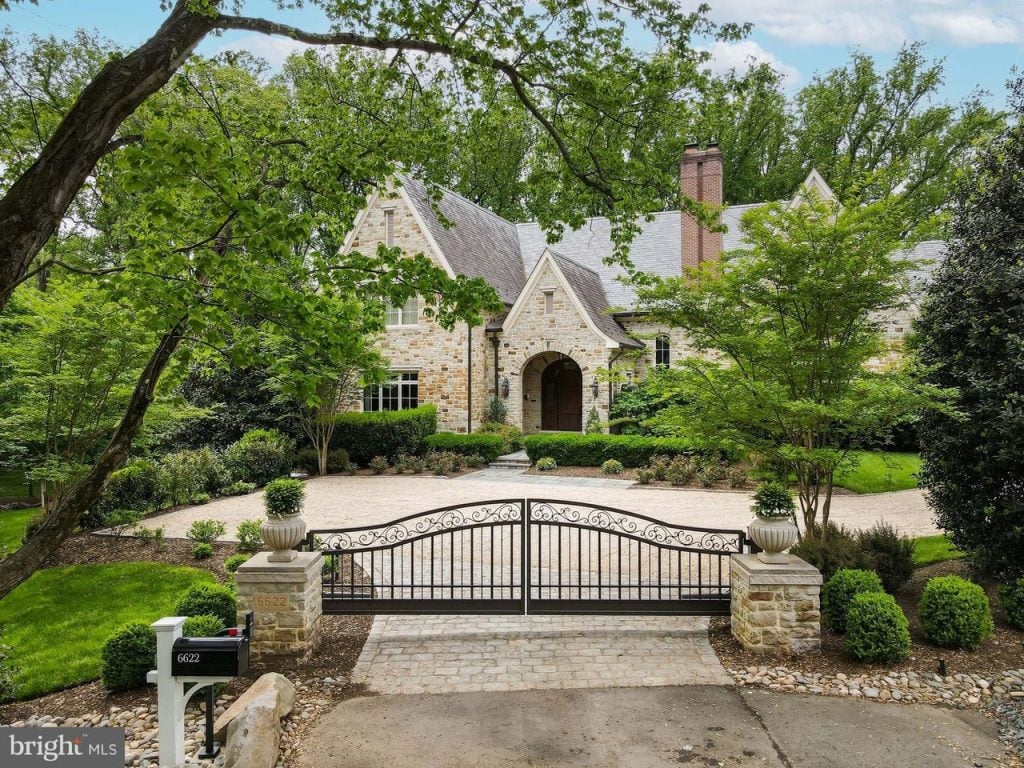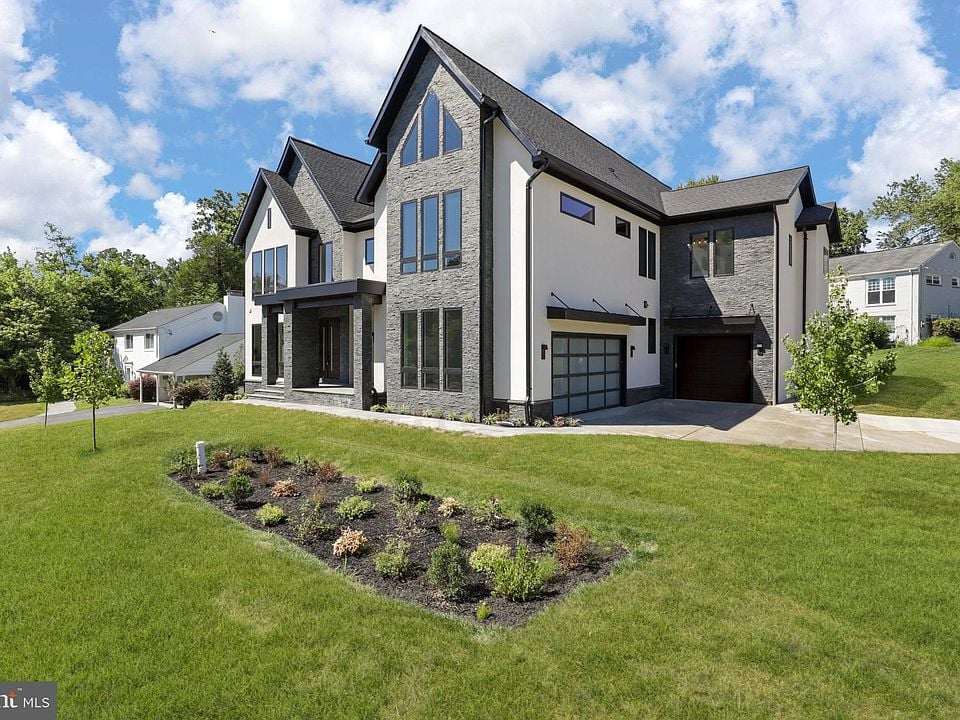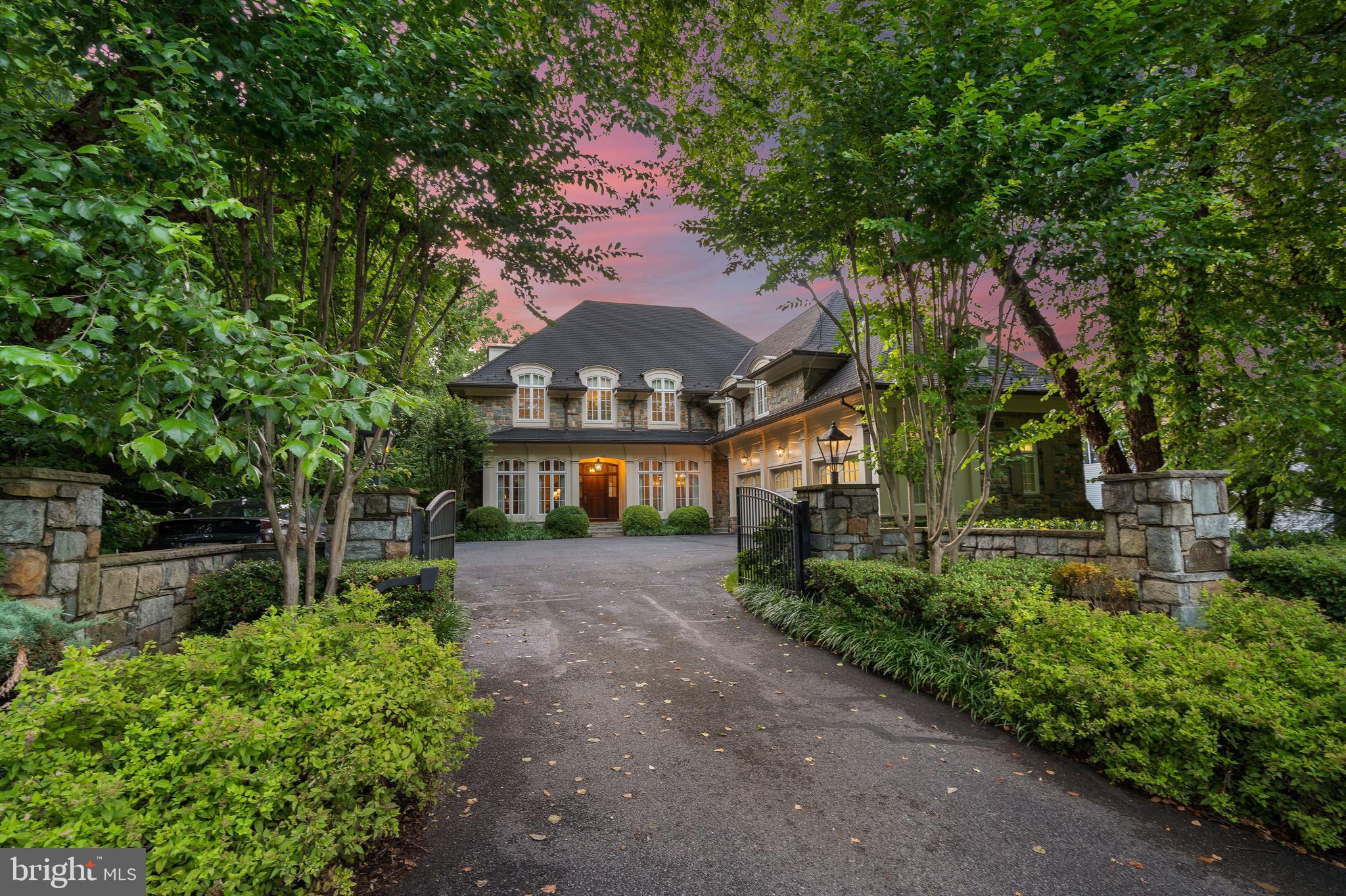

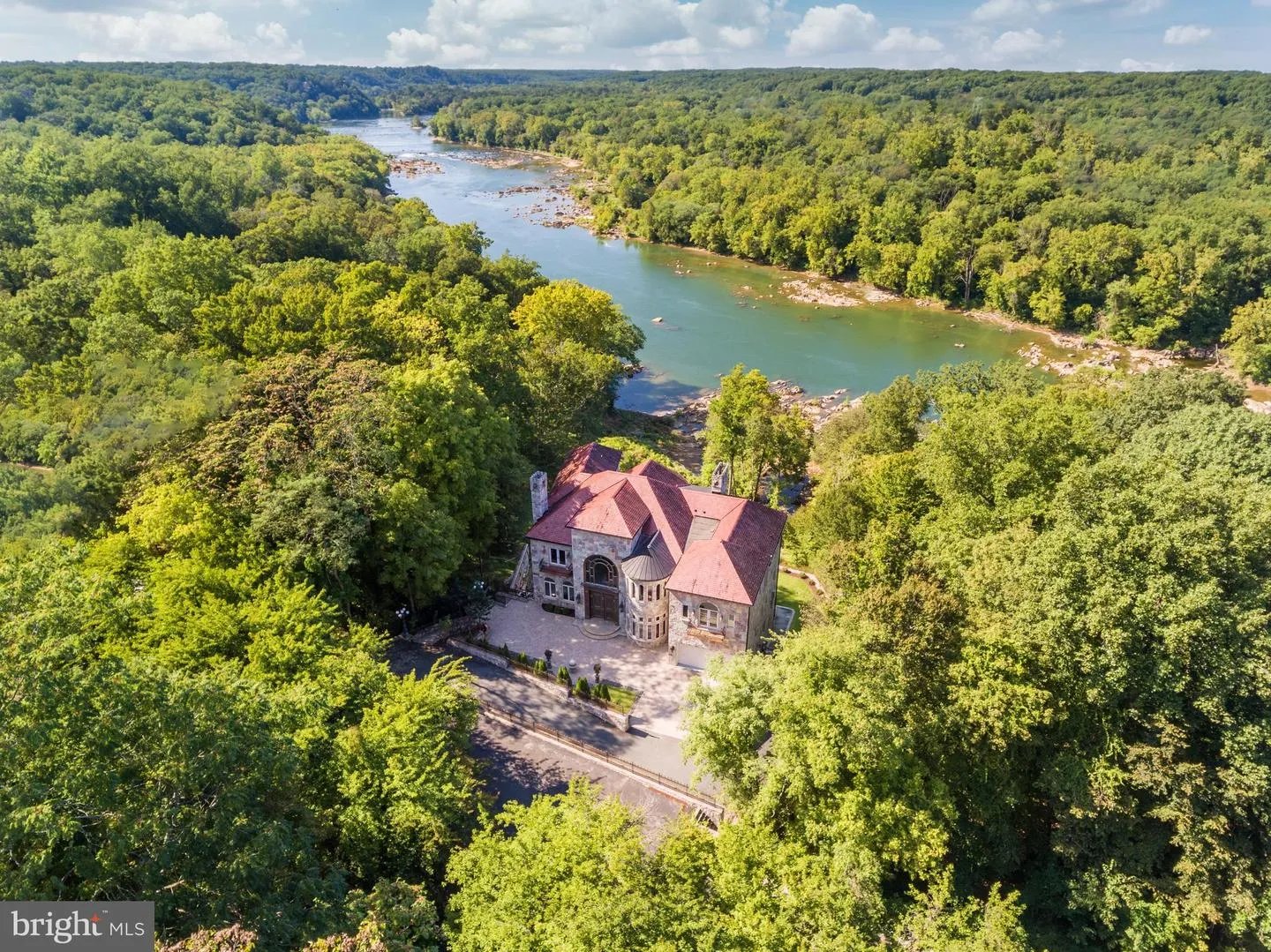
Dreaming of a home where you can wake up to wooded views, walk out to your barn, and still reach Reston or Tysons in minutes? If you want acreage, privacy, and a refined home life without giving up daily convenience, Fairfax’s Hunter Mill District belongs on your shortlist. In this guide, you’ll learn what to look for in estate and equestrian properties, the rules that matter, and smart steps to purchase or sell with confidence. Let’s dive in.
Why Hunter Mill fits estate life
Space, privacy, and wooded settings
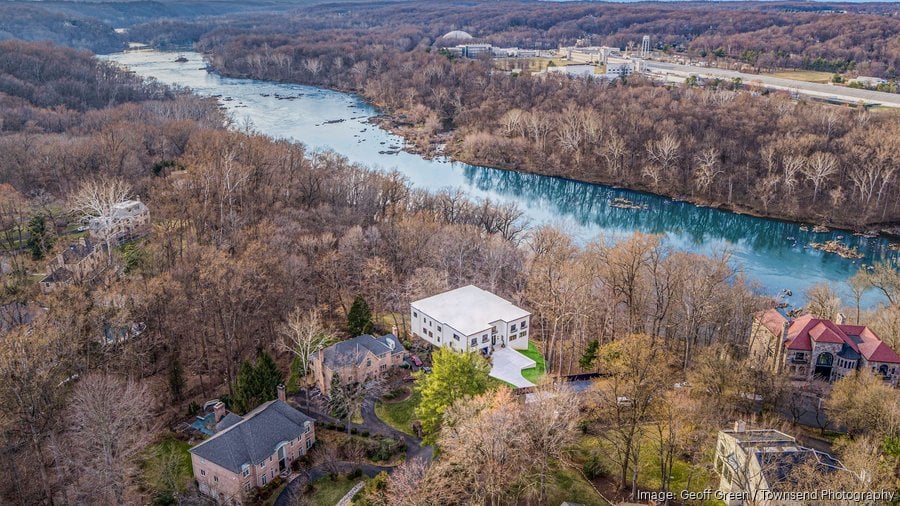
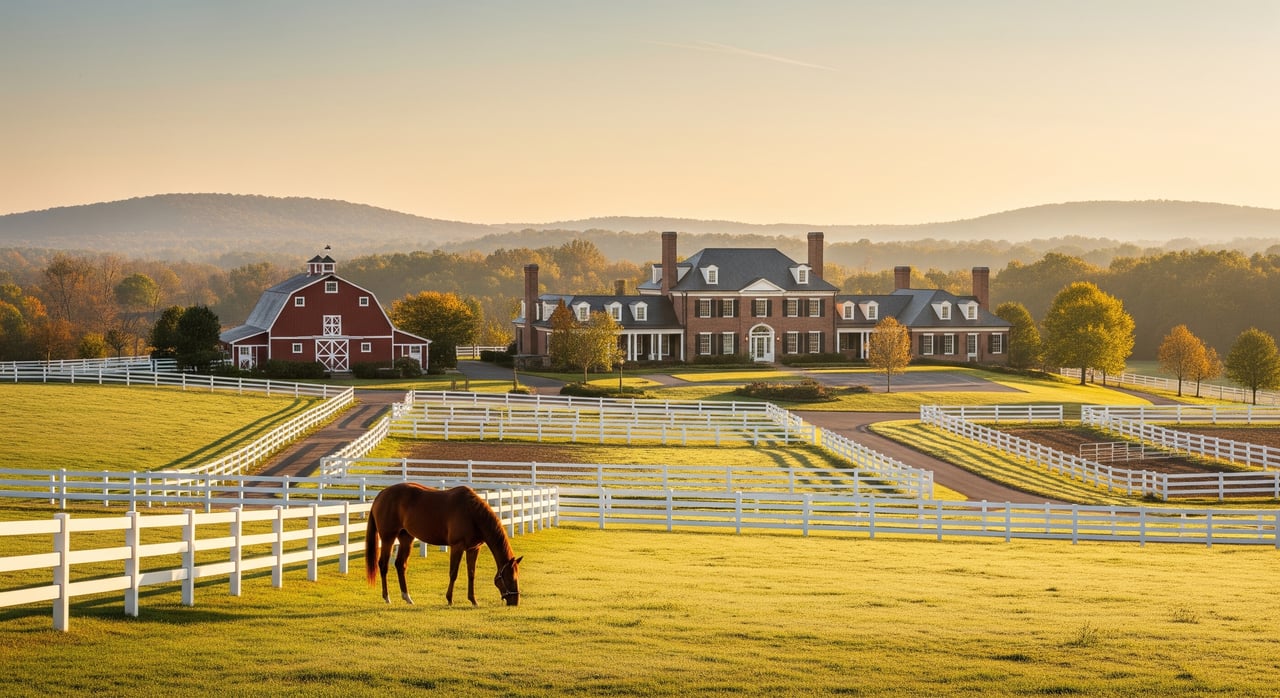
Hunter Mill offers a rare mix of suburban and semi-rural living with larger lots, tree cover, and quiet lanes. You can find properties with room for barns, paddocks, and gardens alongside luxury single-family homes. Many parcels provide natural privacy buffers while keeping you close to shopping, services, and recreation.
Trails, parks, and riding access
Fairfax County and local associations maintain extensive parks and multi-use trails that shape the outdoor lifestyle. Some trails allow horses while others restrict use, so you should always verify rules for specific parks and segments before riding. Many owners keep horses at home or choose nearby boarding if their lot is not set up for daily riding.
Quick reach to jobs and amenities
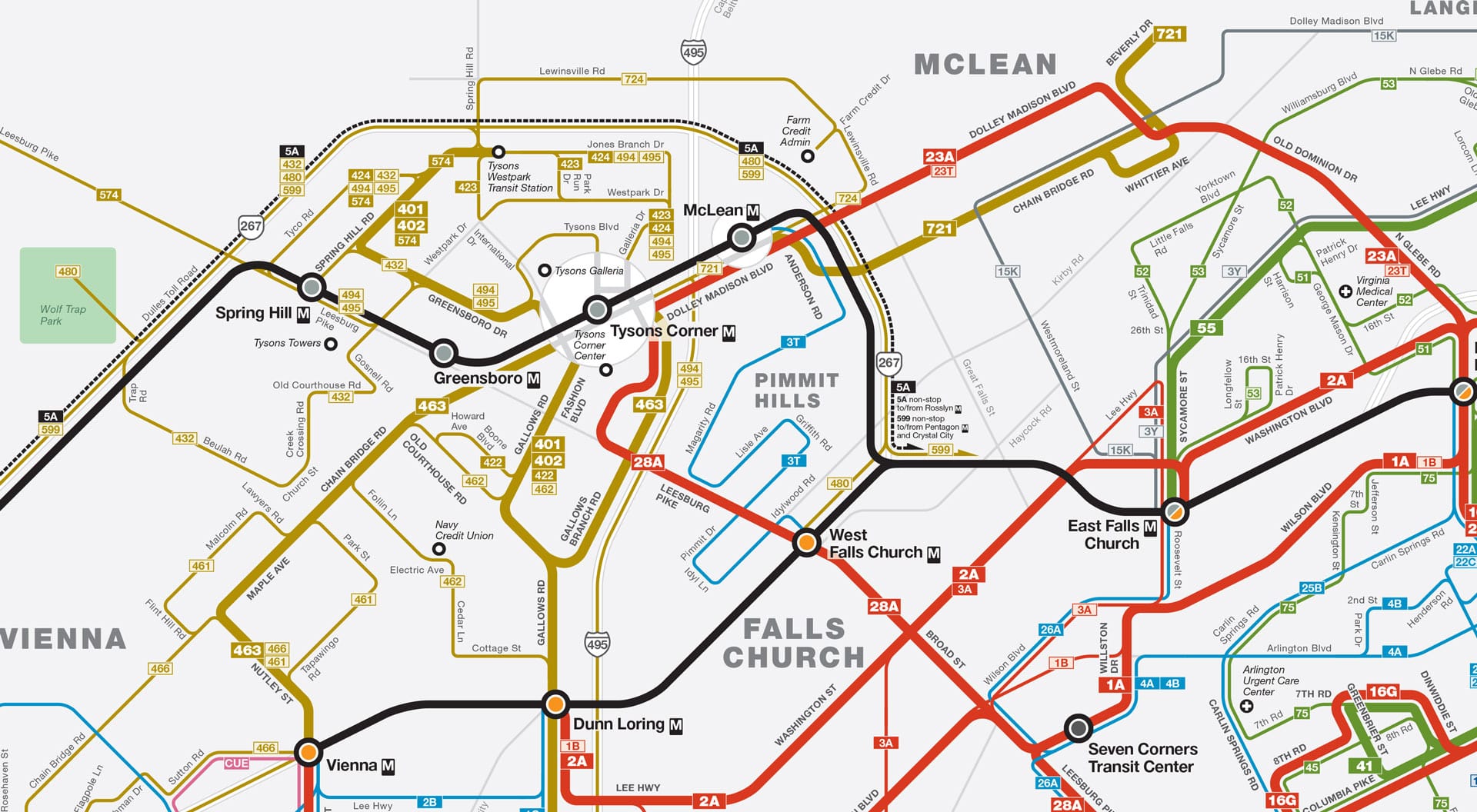
The district is minutes from Reston, Tysons, and the Dulles corridor, which are major employment hubs. The Silver Line and the Dulles Toll Road offer regional connections for commuters and travelers. For many buyers, Hunter Mill strikes the balance between more land and manageable access to work, transit, and airports.
What to look for on equestrian estates
Acres and usable pasture
Aim to confirm both recorded acreage and how much of it is truly usable pasture. Topography, soil, tree cover, and stream buffers affect where you can place paddocks or improvements. Walk the land after a rain to see drainage patterns and any wet spots.
Barns and safety essentials
Private barns often range from 2 to 8 stalls with a tack room, feed storage, and wash or grooming areas. Focus on foundation, roof, ventilation, and electrical systems that support horse health and insurance eligibility. Hay is a fire risk, so proper storage and separation from the main barn are important.
Paddocks, fencing, and drainage
Post-and-rail, vinyl, or high-visibility wire fencing are typical choices. Check fence height, visibility, and condition, then budget for ongoing maintenance. Good drainage and rotational turnout improve pasture health and help your fields carry the workload through all seasons.
Arenas and training options
Outdoor arenas are common and can be highly functional with the right base, surface, and drainage. Indoor arenas are less common on private residences due to cost but exist on higher-end estates. Evaluate access for trailers and safe spectator areas if you plan to host clinics or lessons.
Water, septic, and power
Many estate properties rely on private wells and septic systems, while others connect to public utilities. Confirm well yield and water quality, and verify septic capacity and maintenance records. Ensure electrical service can handle motors, heated buckets, lighting, and any future upgrades.
Ancillary structures and ADUs
Run-in sheds, hay and equipment storage, and dedicated manure areas keep the operation tidy and compliant with local guidance. Some properties include guest cottages or carriage houses. Always verify accessory dwelling rules under Fairfax County zoning before planning a separate living unit.
Luxury home upgrades that pair well
Many buyers seek a blend of equestrian function and refined living. Features like a gourmet kitchen, expanded primary suite, home office, finished lower level, pool, and curated landscaping are common priorities. Upgrading whole-house systems, backup power, and smart-home features can add comfort and resilience.
Rules, permits, and community considerations
Zoning and allowed uses
Zoning determines whether you can keep horses privately, run lessons, or board. Commercial activities such as boarding, breeding, or a riding school often need special approvals. Confirm permitted uses, setbacks, and any conditional requirements with Fairfax County’s zoning administration before you buy or build.
Environmental constraints
Stream buffers, wetlands, floodplain areas, and Chesapeake Bay Preservation rules can limit where you place barns, paddocks, and arenas. Conservation easements may also restrict subdivision or building rights. A current survey and environmental check help you plan improvements without surprises.
Permits and inspections
New barns, arena lighting, and structural changes typically require building permits. Electrical and plumbing work in barns needs inspections. Wells and septic systems are also regulated, so plan for permits and Health Department reviews if you install or modify these systems.
HOAs and planned communities
Some subdivisions, including areas influenced by local associations, have covenants that govern fencing, outbuildings, and noise. Review community rules, architectural guidelines, and approval processes early. These documents can shape your design choices and timelines.
Due diligence checklist
- Site and title
- Obtain an ALTA survey to confirm boundaries, easements, and improvements.
- Run a title search for conservation easements or right-of-way issues.
- Physical inspections
- Inspect barns, roofs, ventilation, electrical systems, and arena footing.
- Evaluate fencing, gates, driveway surfaces, and emergency vehicle access.
- Test well yield and water quality; inspect septic capacity and records.
- Environmental review
- Identify wetlands, stream buffers, floodplain, and critical slopes.
- Confirm manure management areas and runoff controls.
- Operations and costs
- Estimate annual expenses for hay, feed, vet and farrier care, fencing, pasture work, manure handling, insurance, and property taxes.
- Access and logistics
- Verify delivery and trailer access for hay and equipment.
- Map the nearest equine veterinary, farrier, and feed suppliers.
- Insurance and financing
- Confirm coverage for barns, hay, liability, and any commercial activities.
- Speak with lenders who understand rural or equestrian property underwriting.
- Community fit
- Review zoning and HOA limits on animals, structures, and business activity.
- Confirm trail access rules where parks or community paths are part of your plan.
Market context and buying strategy
Limited supply and pricing dynamics
True equestrian estates near major job centers are limited, which supports pricing for well-located parcels. Inventory can be tight, so a longer search horizon is common. Build flexibility into your plan and be ready to act when a suitable property hits the market.
Financing and insurance
Properties with significant acreage or specialized improvements may require lenders who work with rural or equestrian homes. If you plan any commercial use, expect different loan and insurance needs than a standard residence. Start conversations early to align your financing with your intended use.
Timing your search
Seasonality affects how properties show, especially pastures and drainage. Walk land after rain and visit at different times to observe sun, wind, and traffic patterns. If you need to sell first, coordinate timelines and contingencies so you can move quickly when the right estate appears.
Selling an equestrian property
Prep and presentation
Well-prepared estates stand out. Address safety and maintenance items in barns and fences, tidy paddocks, and freshen arena footing as needed. Indoors, highlight the lifestyle with clean lines, staged spaces, and updated systems that signal a turn-key experience.
Marketing to the right buyers
Targeted marketing reaches both equestrian and estate-minded audiences. Clear photography of barns, stalls, paddocks, and arenas helps buyers picture daily life on the property. Detailed descriptions of infrastructure, utilities, and access can shorten decision cycles and support value.
Pricing and timelines
The buyer pool for equestrian homes is smaller than for typical single-family houses. Expect longer timelines and price based on usable acreage, infrastructure quality, and proximity to jobs and transit. The right strategy aligns presentation with a pricing plan that reflects current demand.
How Falcone Real helps
You deserve an advisor who pairs local knowledge with careful execution. Falcone Real offers boutique, client-first service backed by CENTURY 21 systems, with professional staging and photography that elevate presentation for both luxury and equestrian estates. You also benefit from cross-market fluency that covers residential and commercial considerations for properties that blend hobby or business use.
We guide you through zoning, permits, utilities, and due diligence, and we connect you with lenders and insurers who understand equestrian properties. Whether you are seeking a private retreat with pastures or preparing a distinctive estate for market, you get attentive counsel and polished marketing focused on outcomes.
Ready to find the right acreage or position your equestrian property for a strong sale? Start a conversation with Falcone Real today.
FAQs
How many horses can I keep in Fairfax County’s Hunter Mill District?
- It depends on zoning, parcel size, pasture capacity, and any HOA covenants; confirm with county zoning and evaluate pasture health to set a sustainable number.
Do I need permits to build a barn or arena on my property?
- Yes, building plus any electrical or plumbing work typically require permits; some commercial uses may also need special approvals from the county.
Are there public riding trails near Hunter Mill District?
- Some parks and community trail networks allow horses while others do not; verify specific trail rules with the managing authority before riding.
What ongoing costs should I expect if I keep horses at home?
- Budget for hay and feed, veterinary and farrier care, fencing and pasture maintenance, manure handling, insurance, and property taxes in addition to your mortgage.
How long does it take to sell an equestrian estate in this area?
- Timelines are often longer than standard single-family homes due to a smaller buyer pool; pricing, infrastructure quality, and demand all influence days on market.