Picture yourself stepping out your front door to cobblestone streets, river breezes, and a morning stop at a farmers’ market that dates back centuries. If that sounds like your pace, Old Town Alexandria could be a great fit. In this guide, you’ll learn how the waterfront lifestyle blends with historic charm, what types of homes you’ll find, how preservation rules shape renovations, and what to check for flood risk near the river. Let’s dive in.
Why Old Town draws buyers
King Street and Market Square
Old Town centers on the King Street corridor and Market Square, home to one of the country’s longest-running farmers’ markets. The City’s Office of Historic Alexandria maintains museums and sites that anchor the neighborhood’s identity and programs walking experiences across the district. You’ll see clear wayfinding and interpretive signs that make self-guided walking tours simple and fun, a hallmark of living here supported by the City’s historic wayfinding initiative. Explore the City’s historic resources and museums through the Office of Historic Alexandria and its wayfinding program.
Waterfront and arts
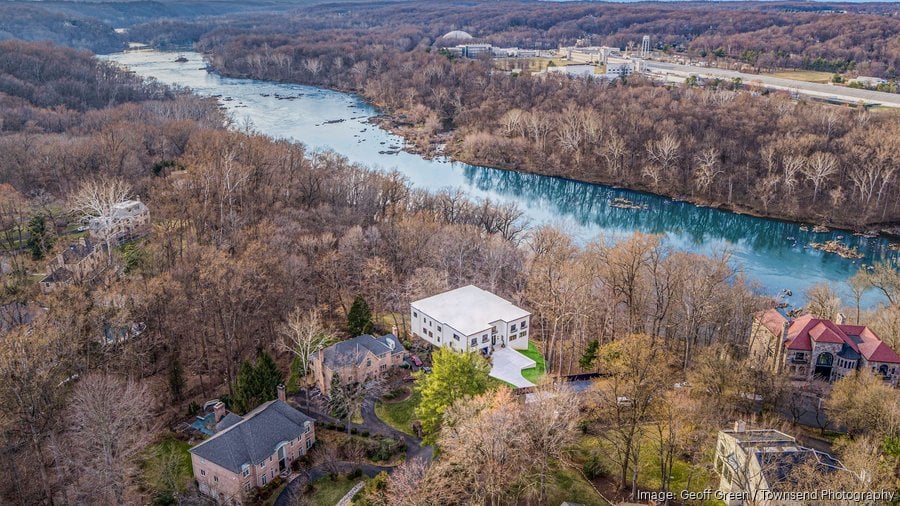
The Potomac River shapes daily life, with small parks along the shoreline and a lively public realm. The Torpedo Factory Art Center is a signature cultural anchor at the waterfront and a favorite for locals and visitors. Learn more about exhibits, studios, and events at the Torpedo Factory Art Center.
Easy transit and commuting
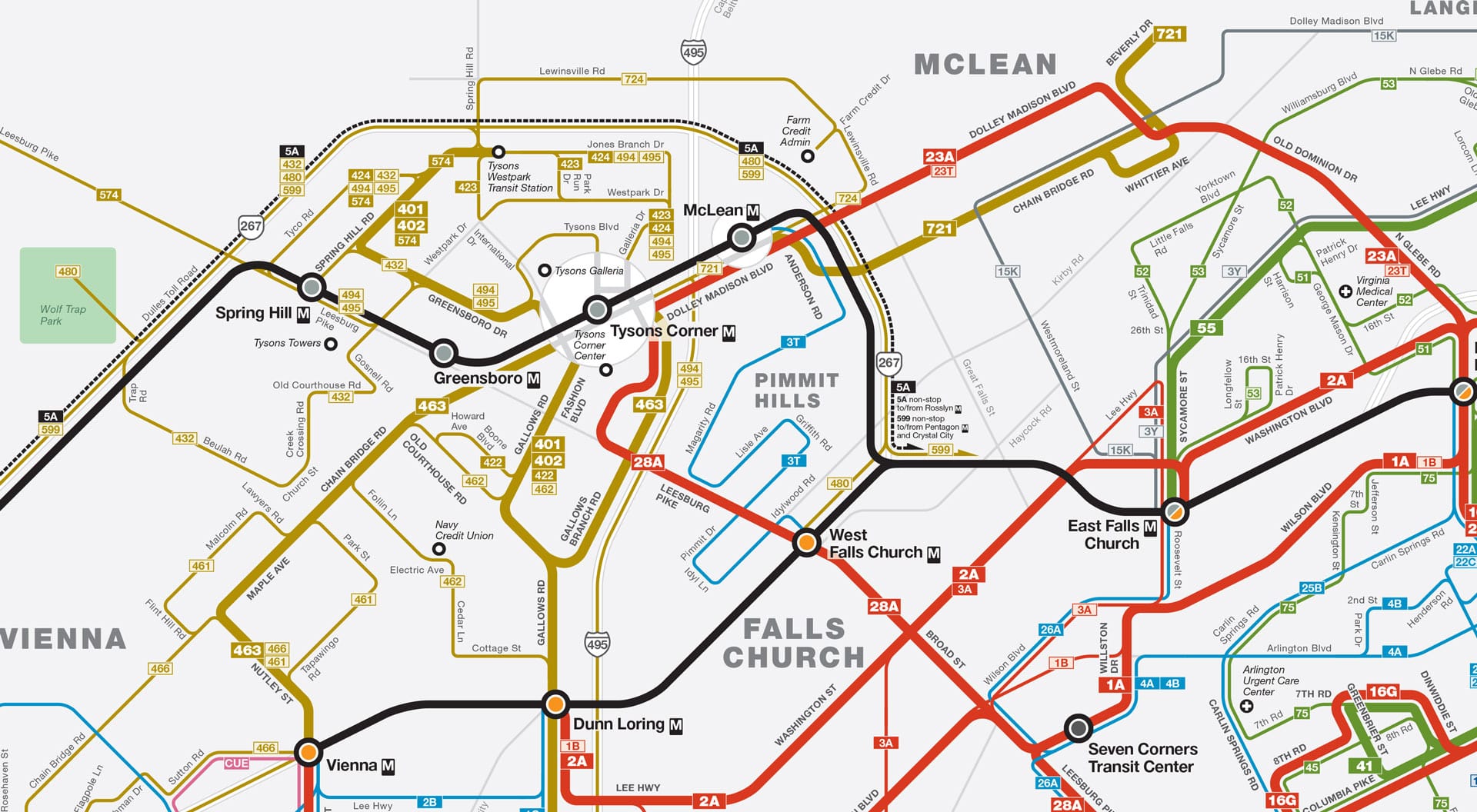
If convenience matters, Old Town offers strong transit access. The King Street–Old Town Metro station connects you to the Blue and Yellow lines for Washington, D.C. commutes, and Alexandria Union Station links to Amtrak and VRE. Get a quick station overview on the King Street–Old Town station page.
Homes you’ll find in Old Town
Historic rowhouses
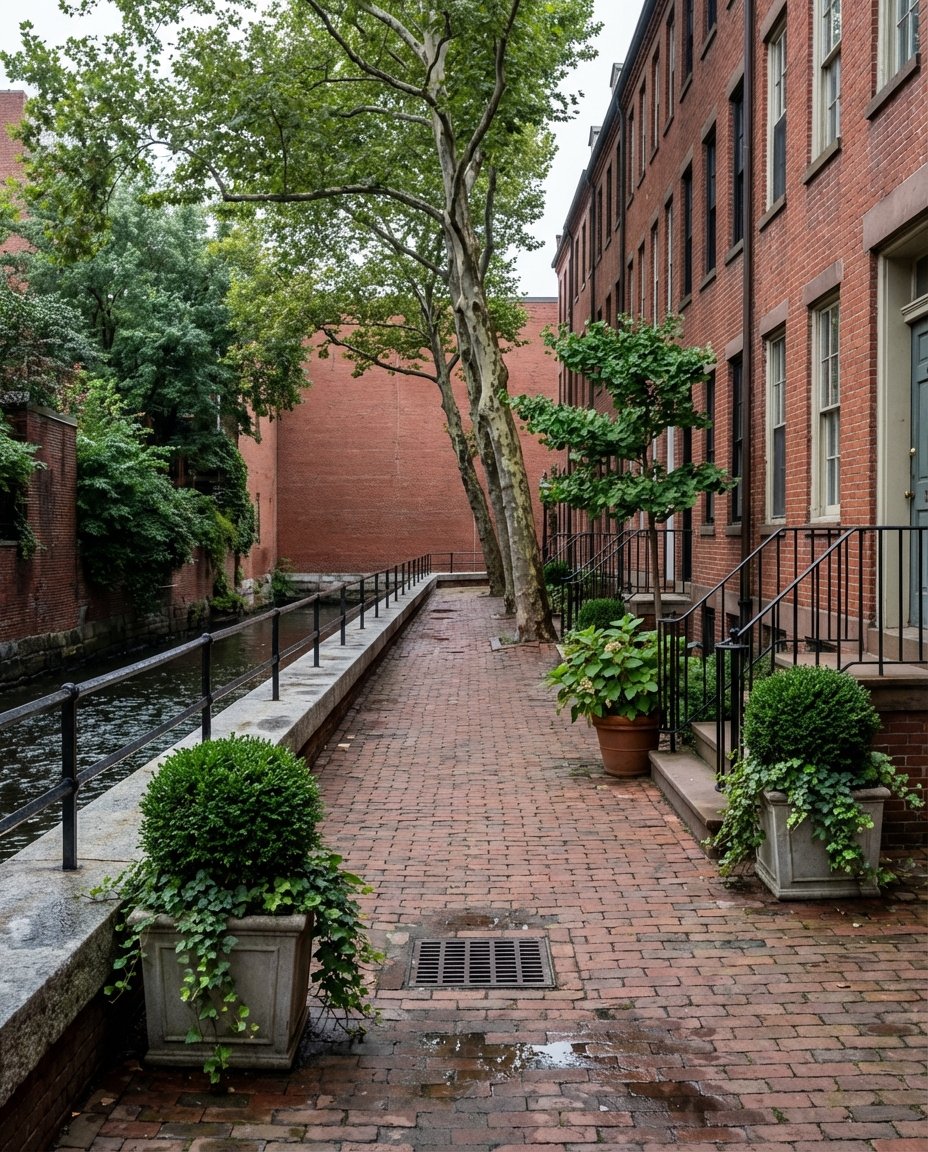
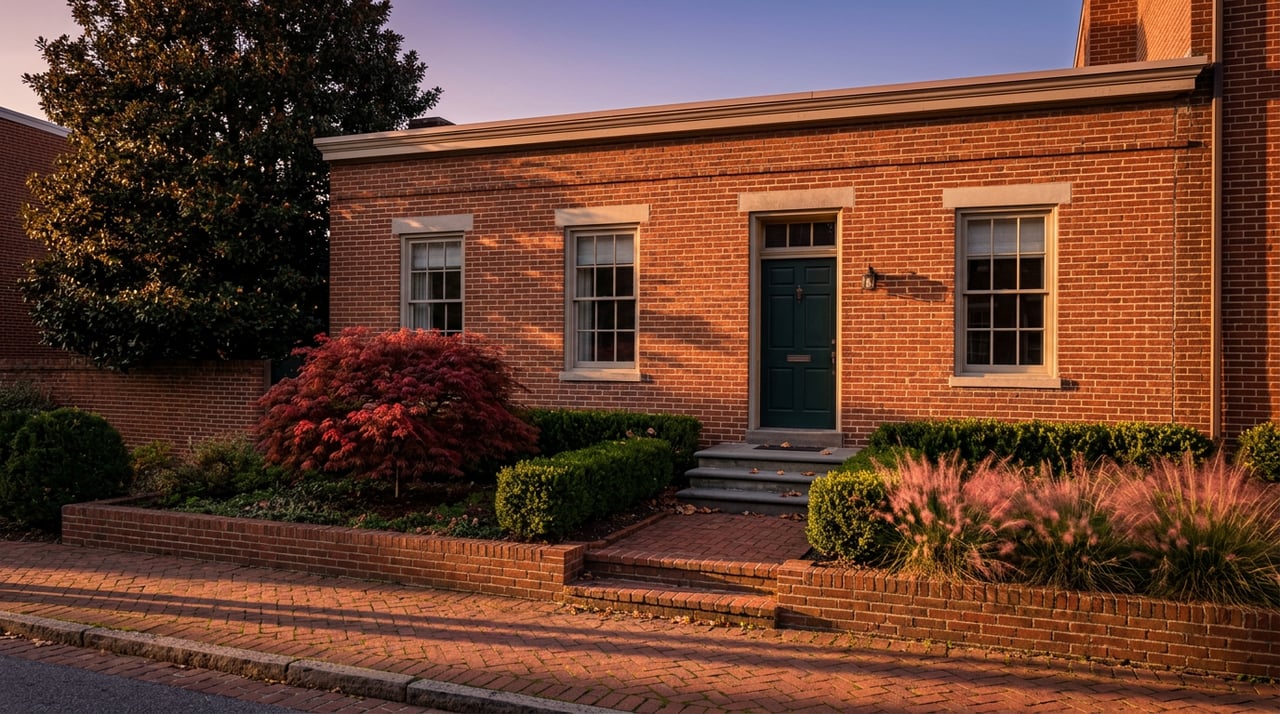
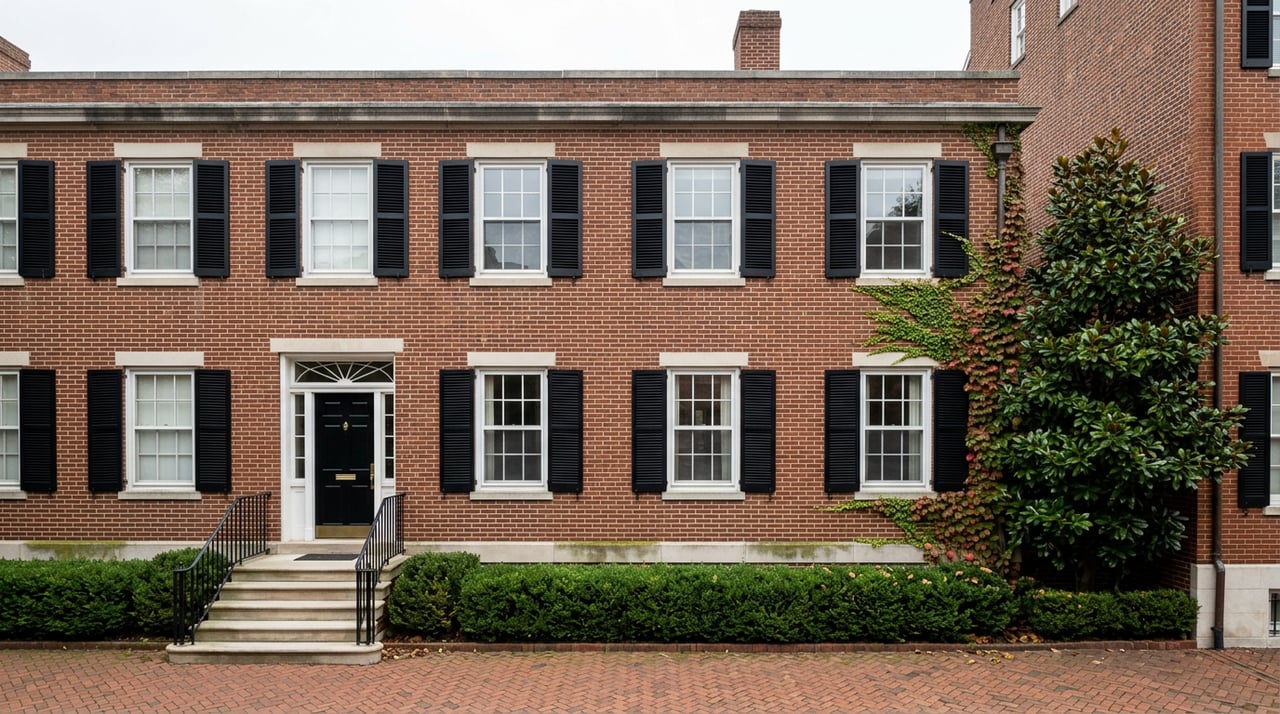
The most iconic homes are narrow brick rowhouses and 18th to 19th century residences with Federal, Georgian, or Victorian roots. Exteriors that face public streets are protected to preserve the district’s character, while interiors are often modernized over time. You get classic curb appeal with the comfort of updated systems inside. For background on the city’s history and building eras, see the City’s history overview.
Modern infill and luxury townhomes
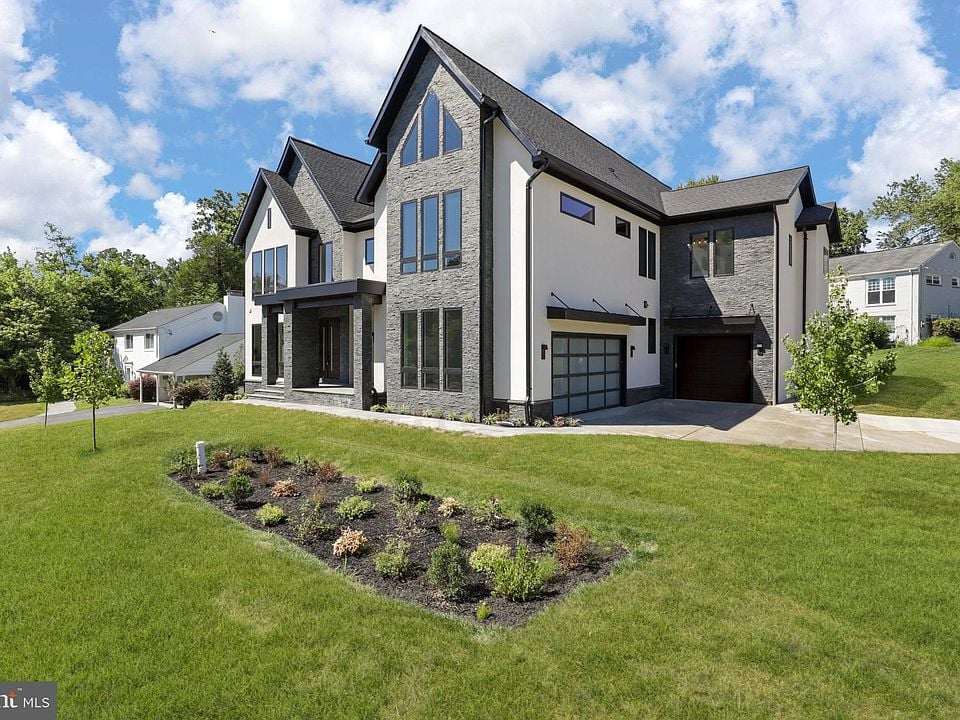
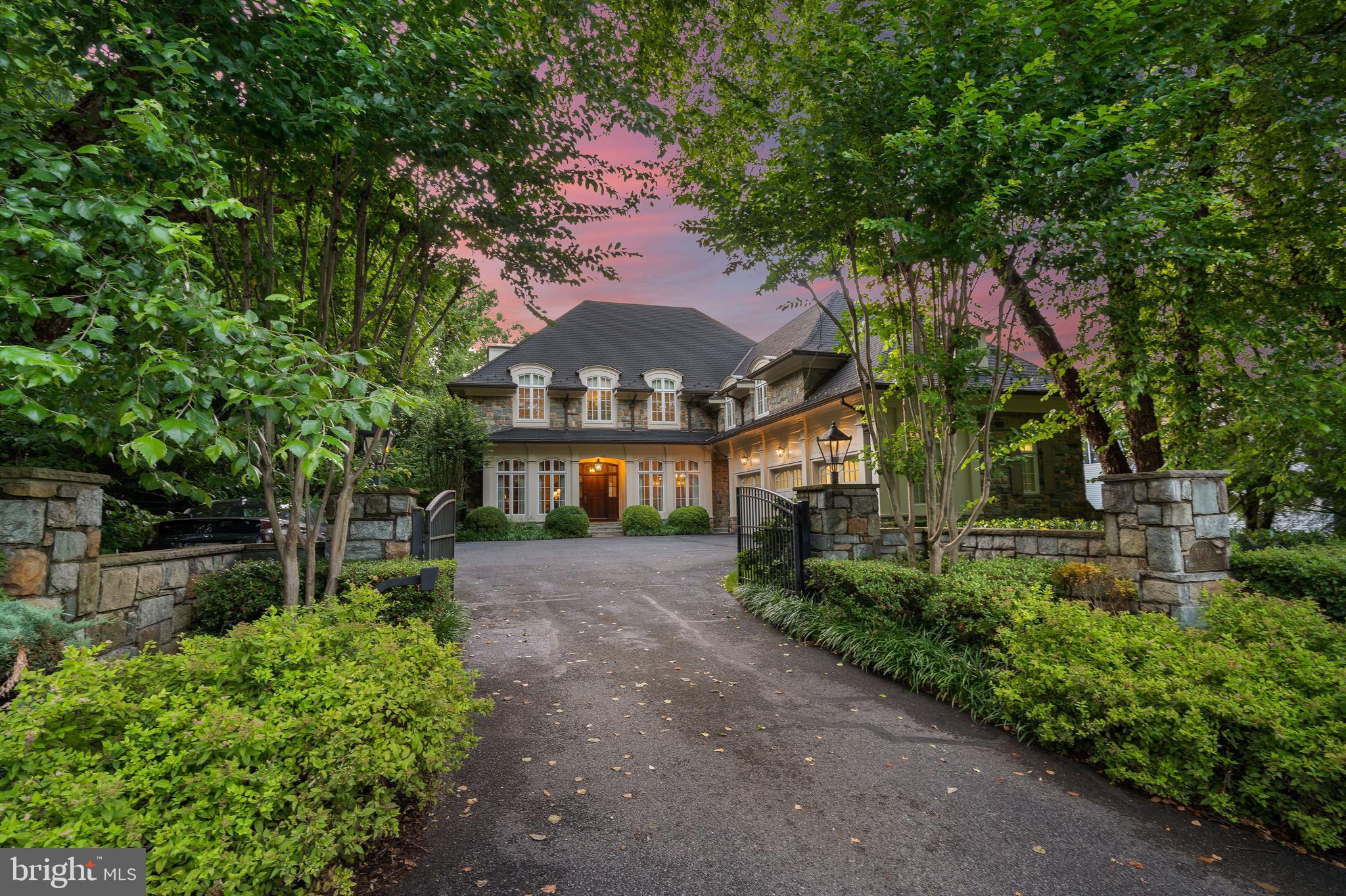
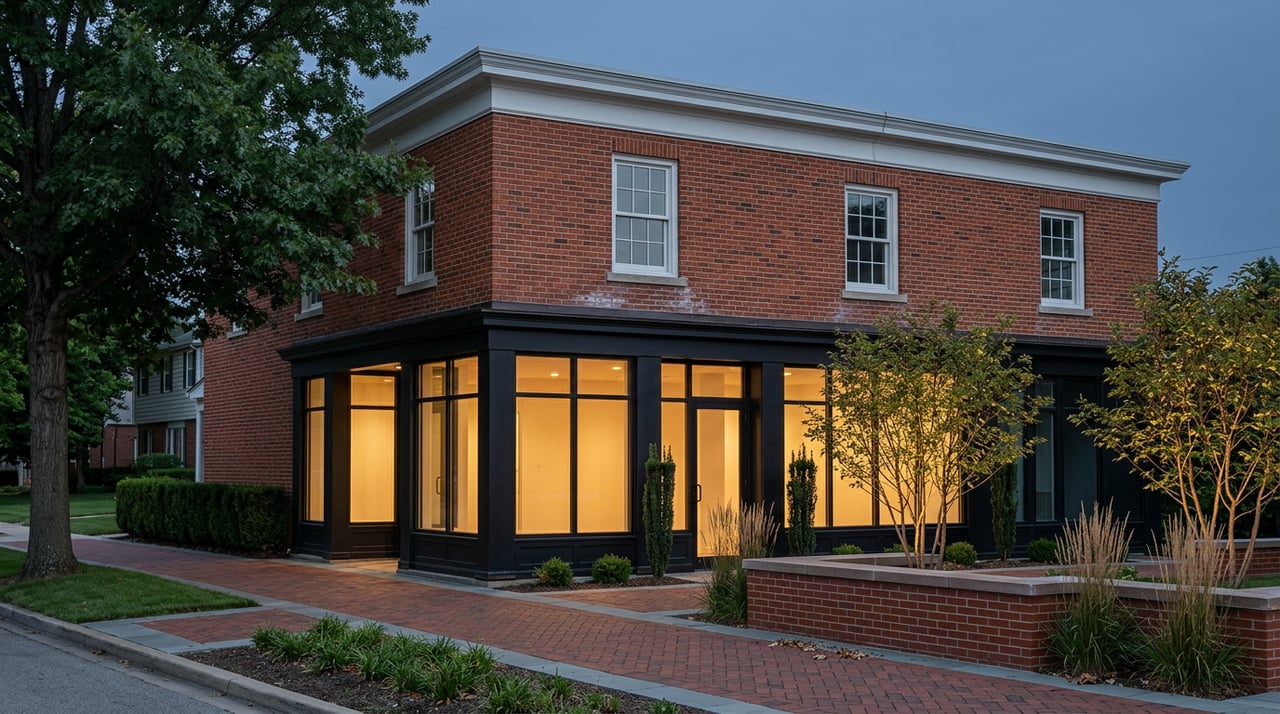
You’ll also find newer fee-simple townhouses and small infill communities from the 2010s and 2020s. Many include garages, elevators, and roof decks, and some sit near the waterfront. These homes offer more space and convenience, which often commands premium pricing.
Condos and lofts
Condominium options range from older conversions to newer luxury buildings with river views. Condos are a great low-maintenance choice. Be sure to review HOA budgets, reserves, rules, and coverage, since these affect monthly costs and what exterior changes you can make.
Prices and market context
When you look at pricing, definitions matter. “Old Town” may refer to the City’s Old & Historic Alexandria District, a broader neighborhood label in a search portal, or the 22314 ZIP code. Those geographies overlap but are not the same, which is why different sources show different medians. The City’s Preservation page explains the local historic district’s boundaries and governance.
As a general guide, smaller one-bedroom condos or modest units can run in the low to mid six figures. Many renovated rowhouses and 2 to 3 bedroom townhomes trade in the mid six to low seven figures. Larger renovated rowhouses, prime waterfront condos, and new luxury townhouses often start around $1 million and can rise from there. Because the market shifts with inventory and rates, it pays to review a fresh, clearly defined snapshot before you act.
Historic rules that shape renovations
What the BAR reviews
Old Town’s character is protected by local review. Exterior changes visible from a public right-of-way in the Old & Historic Alexandria District require approval from the City’s Board of Architectural Review, often through a Certificate of Appropriateness. Interior-only work typically does not require BAR approval. Start with the City’s overview of the BAR, applications, and rules on the Historic Preservation page.
Timelines and approvals
Applications go through the City’s permitting portal. Some projects can be approved administratively by staff in a few business days if materials are complete. Larger or more complex changes go to public hearings on a published schedule, which can add time to your renovation plans. Build this into your contingencies if you plan visible exterior work.
Design guidelines you should know
The City’s design guidelines set clear expectations for visible elements like windows, siding, trim, and roofs. You can expect a preference for retaining and repairing historic windows when feasible, limits on vinyl in visible locations, and guidance on roofing materials and colors for street-facing planes. Solar is supported when it is minimally visible and does not damage historic materials, but street-visible panels can require review. Read the windows and shutters guidance for a sense of detail in the City’s design guidelines PDF.
Common triggers that often require review include:
- Changing window size or materials on a street-facing facade.
- Adding a rooftop deck or stair that is visible from the street.
- Replacing or capsulating more than 25 square feet of siding or exterior wall.
- Installing visible solar arrays or making full-height facade changes.
Tip: Ask the seller for the home’s BAR and permit history and check for prior Certificates of Appropriateness. This saves time and avoids surprises.
Waterfront living and flood planning
Parks, projects, and near-term activity
Old Town’s waterfront is a daily amenity, but it also brings seasonal flooding in certain areas. The City is advancing a Waterfront Flood Mitigation Project that includes design work for pump stations, park improvements, and related infrastructure. Public meetings and concept reviews are ongoing, and some near-water blocks could see construction activity as projects move forward. Follow plans and timelines on the City’s Waterfront Flood Mitigation Project page.
Buyer flood due diligence checklist
Before you write an offer on a property near the river, check the following:
- Confirm the property’s FEMA flood zone and ask for any elevation certificate.
- Review the home’s flood insurance requirements with your lender or insurer.
- Request seller disclosures on past flood events or claims, if any.
- Check the City’s waterfront project pages for planned work that could affect the block.
- Ask about recent drainage or resilience upgrades on the property and street.
The City’s flood mitigation hub is the best local resource for current plans and community meeting records. Bookmark the Waterfront Project page for updates.
Everyday checks before you buy
Use this quick list to evaluate a specific Old Town home:
- Confirm the map: Is the home inside the local Old & Historic Alexandria District or simply in the 22314 ZIP code? Local district homes follow BAR rules. Start with the City’s Preservation page.
- Pull approvals: Ask for BAR dockets or administrative approvals for past exterior work such as windows, dormers, roof decks, or additions. This reveals scope and timing of changes.
- Inspect materials: Older masonry often needs repointing. Check window condition, electrical capacity, and plumbing modernization. The City’s guidelines aim for repair or in-kind replacement of character features. Review detail in the design guidelines PDF.
- Parking reality: Many historic rowhouses do not have off-street parking. Newer townhomes often include garages, which influence price and convenience. Confirm any deeded or permitted spaces.
- HOA and condo docs: For communities and buildings, review CC&Rs, budgets, reserve studies, and minutes. Understand coverage and any planned assessments.
- Commute options: Note your distance to King Street–Old Town Metro and Alexandria Union Station for rail connections. See the station overview.
- Flood and resilience: For waterfront blocks, follow the City’s Waterfront Project updates and confirm insurance requirements early.
Who Old Town fits
Old Town suits buyers who want a walkable, culturally rich neighborhood with a strong sense of place. If you love brick sidewalks, historic streetscapes, boutique dining, and easy access to D.C., this area delivers. Buyers seeking low-maintenance living can focus on condos, while those who enjoy architectural character and outdoor space often prefer rowhouses or modern townhomes with terraces.
How Falcone Real helps
Buying or selling in a locally regulated waterfront district calls for a steady hand. You get more done with a boutique, client-first advisor who pairs presentation craftsmanship with clear guidance on rules, processes, and timelines. With deep Northern Virginia experience and CENTURY 21 distribution, Falcone Real packages listings with professional staging and photography, positions homes for maximum reach, and helps buyers navigate BAR requirements and flood due diligence with confidence.
Ready to explore Old Town? Reach out to Falcone Real to Request a Free Home Valuation or Schedule a Consultation.
FAQs
What is considered “Old Town” in Alexandria?
- “Old Town” can mean the City’s Old & Historic Alexandria District, a broader neighborhood defined by some sites, or the 22314 ZIP code. Only the local historic district falls under BAR rules. Check the City’s Preservation page for context.
Do I need approval to replace windows in Old Town?
- If the home is in the local historic district and the windows are visible from a public right-of-way, you likely need BAR review. The City’s design guidelines explain expectations for repair and replacement.
How does flood risk affect buying near the waterfront?
- Verify the home’s flood zone and insurance needs, ask for elevation certificates and prior flood disclosures, and review planned resilience work. Use the City’s Waterfront Flood Mitigation Project page for updates.
What home types are most common in Old Town?
- You’ll see historic brick rowhouses, newer luxury townhomes with garages and roof decks, and a range of condos and lofts, including buildings near the river. The City’s history overview provides building-era context.
How convenient is Old Town for commuting to D.C.?
- The King Street–Old Town Metro links to the Blue and Yellow lines, and Alexandria Union Station connects to Amtrak and VRE. See the station overview for details.