
Search

Leave a Message

By providing your contact information to Falcone Real, your personal information will be processed in accordance with Falcone Real's Privacy Policy. By checking the box(es) below, you consent to receive communications regarding your real estate inquiries and related marketing and promotional updates in the manner selected by you. For SMS text messages, message frequency varies. Message and data rates may apply. You may opt out of receiving further communications from Falcone Real at any time. To opt out of receiving SMS text messages, reply STOP to unsubscribe.

Thank you for your message. I will be in touch with you shortly.

Browse Properties
Buying A Private Estate In Fairfax Station

Buying A Private Estate In Fairfax Station

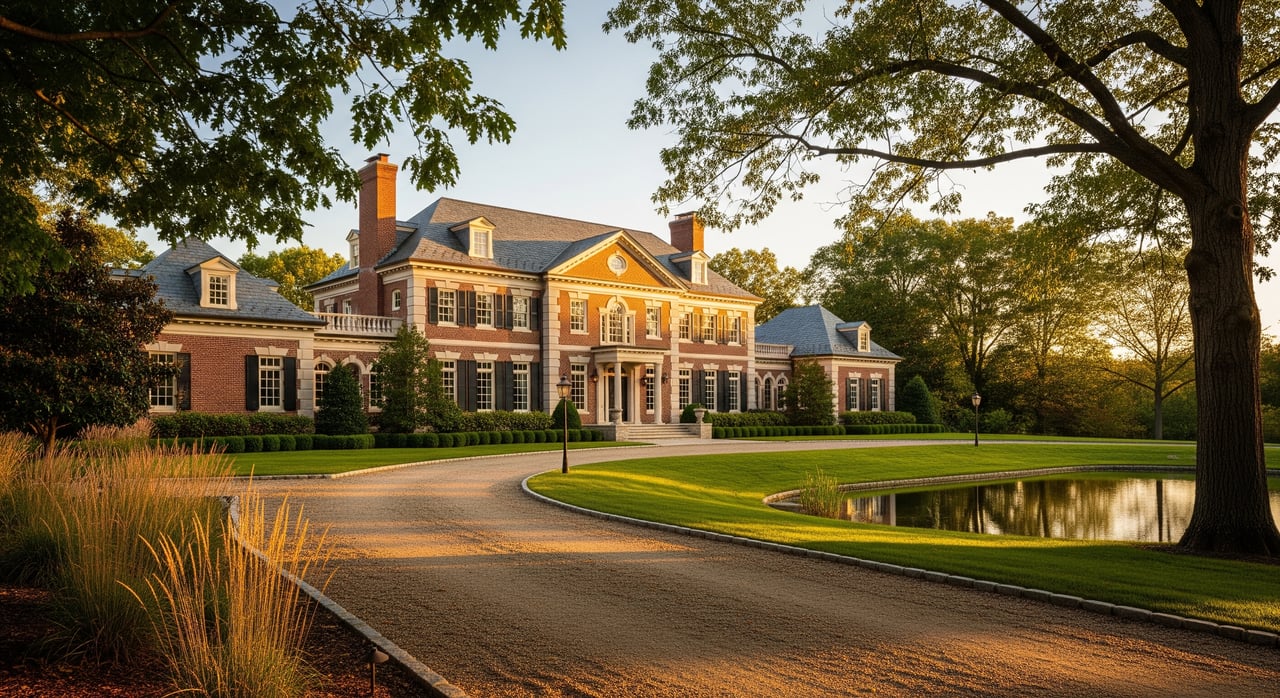
Craving space, serenity, and a true sense of retreat without leaving Northern Virginia? Fairfax Station delivers the wooded privacy and acreage that many buyers cannot find in typical suburban neighborhoods. You want room to breathe and a home that feels custom to your lifestyle. In this guide, you will learn what to expect when buying a private estate here, from lot traits and architecture to wells, septic systems, easements, and smart negotiation moves. Let’s dive in.

Why Fairfax Station appeals

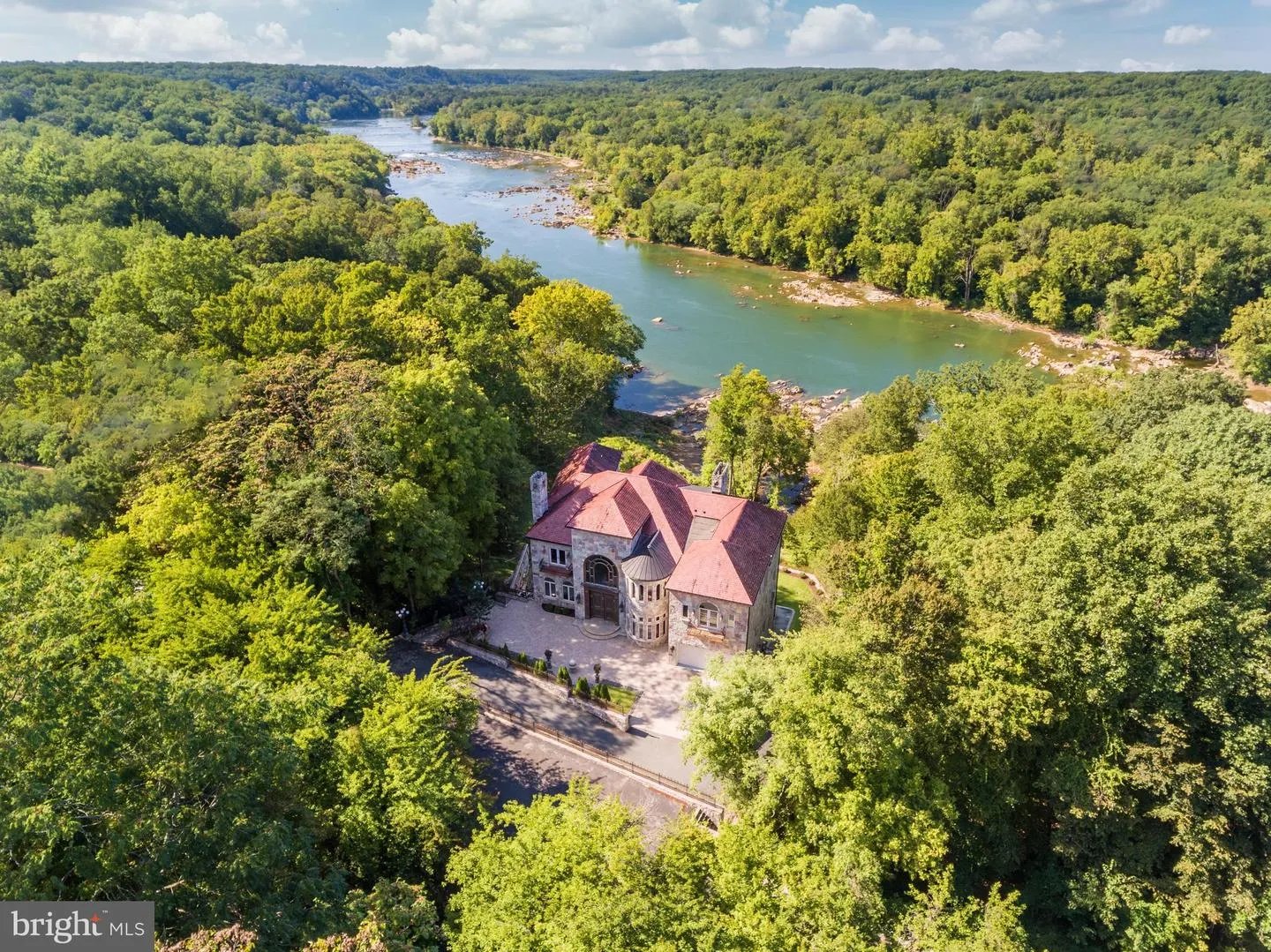
Fairfax Station sits in southwestern Fairfax County with a low-density feel, mature trees, and a mix of older and newer custom homes. You get access to parks and trails, including local county parks and nearby equestrian amenities. Many buyers choose it for privacy, acreage, and a calm setting near Northern Virginia employment centers. It is a strong fit if you value quiet streets and a more natural landscape.

Lot sizes, topography, and privacy

You will see estate lots from about 1 acre up to several acres, with larger holdings available but less common. Many parcels include rolling hills, ridgelines, and stream valleys that shape where you can build or expand. Steep slopes and low-lying areas can affect driveways, drainage, and septic siting. Expect a wooded backdrop and consider how tree cover influences both privacy and maintenance.

Architecture and property features

Fairfax Station offers a range of custom builds across decades. You will find traditional, Colonial, and Georgian styles alongside late-20th-century transitional designs and newer modern farmhouse or contemporary estates. Most homes feature full basements and multi-car garages, and some include detached buildings like barns, workshops, or pool houses. These extras add lifestyle value and can influence insurance, appraisal, and upkeep.

Access and utility realities

Driveways can be long and private, and they are sometimes gravel or partially paved. Clarify who maintains the drive, how snow removal works, and whether any shared road easements exist. Large-lot estates often rely on private wells and onsite sewage systems rather than public utilities. Electric service is available, but longer distances from lines can affect the cost of upgrades.

Wells, water quality, and upkeep

Private wells are common on acreage in Fairfax Station, so plan for careful due diligence.

  • Well records: Request the well log, pump age and type, depth, and yield in gallons per minute.
  • Water quality testing: At minimum, test for total coliform and E. coli and nitrates. Many buyers also test for lead, pH, iron, manganese, and volatile organics if there are nearby risk factors like fuel tanks.
  • System inspection: Have a professional evaluate the wellhead and seal, pressure tank, and any treatment systems such as UV, softeners, or filters.
  • Maintenance history: Ask for service and testing records so you understand performance and replacement timelines.

Septic systems: what to verify

Many estate properties use onsite sewage systems such as conventional gravity, pressure distribution, mound, or aerobic systems. Identify the system type, age, capacity, and service history. Confirm the drainfield location and the presence of a designated reserve area for future replacement. Include a full septic inspection contingency and understand that repairs or replacements require county permits and must meet current codes and setbacks.

Environmental zones and tree management

Larger parcels may include stream corridors, wetlands, or mapped floodplain that limit where you can build or clear. Resource Protection Areas and wetlands require permits for impacts and can add time to projects. If the property is heavily wooded, assess tree health, invasive species, and any hazard trees near structures or driveways. Some parcels may include conservation protections or voluntary programs that influence tree removal and land disturbance.

Easements, HOAs, and restrictions

Review title and plat documents for utility and road easements, open-space or conservation easements, and private covenants. These restrictions can limit subdivision, building envelopes, and certain site changes. While many large-lot estates operate outside HOAs, some planned communities do have rules that affect design choices and maintenance. Always verify recorded documents before you finalize terms.

Due diligence roadmap

A disciplined approach protects your investment and gives you leverage during negotiations.

  • Survey and title: Order a current boundary survey and complete title search to confirm acreage, encroachments, and recorded easements.
  • Water and septic: Secure well inspection and water lab results, plus a septic inspection with pumping records and verification of reserve area.
  • Environmental checks: Review floodplain and potential wetlands, and understand any prior permits for land disturbance.
  • Home and structures: Inspect roof, foundation, HVAC, electrical, chimneys, and any detached buildings.
  • Land and trees: Consider an arborist evaluation for specimen trees and hazard assessment.
  • Access and maintenance: Confirm driveway ownership, maintenance, and plowing responsibility.
  • Valuation support: Use an appraiser experienced with acreage and unique improvements.
  • Zoning and future plans: Verify permitted uses, accessory structures, and feasibility of pools, additions, or equestrian facilities.

Financing, appraisal, and insurance

Most conventional lenders will finance estate properties, but they expect functioning well and septic systems with supporting reports. Appraisals can be challenging due to limited comparable sales, so appraisers may rely more on per-acre adjustments, location, and unique amenities. If the parcel includes barns, arenas, ponds, or multiple structures, provide documentation for improvements and condition. Insurance is widely available, but underwriters will consider wooded-lot fire risk, wind exposure, accessibility, and any flood zone mapping.

Offer and negotiation strategy

Account for estate-specific costs when you set price and terms. Potential near-term expenses include septic repairs or upgrades, water treatment, driveway resurfacing, selective tree work, and utility improvements. Use targeted inspection contingencies to document issues and request credits or price reductions where appropriate. Build in extra time to schedule specialized inspectors, surveyors, or soil scientists who often book out.

Who you need on your team

  • Real estate agent with estate and acreage experience in Fairfax County
  • Land surveyor for boundary confirmation and improvement mapping
  • Septic system inspector and authorized soil scientist
  • Licensed well driller or well inspector and certified water lab
  • Home inspector experienced with large custom homes and outbuildings
  • Arborist for wooded-acreage assessments
  • Real estate or land-use attorney to review easements and restrictions
  • Appraiser with acreage expertise
  • Environmental consultant if wetlands or potential contamination are present

Next steps if you are ready

  1. Get pre-qualified with a lender that is comfortable with acreage and private systems.
  2. Engage an agent experienced with Fairfax Station estate purchases and start a document review for easements and permits.
  3. Write offers with dedicated well, water, septic, survey, and title contingencies, plus a longer inspection window.
  4. Pre-schedule specialized inspectors to meet timelines.
  5. Verify zoning and permitting if you plan additions, pools, barns, or accessory dwellings.
  6. Review title exceptions and any conservation restrictions before finalizing terms.

If you are exploring a private estate in Fairfax Station and want a clear, step-by-step plan, let’s talk. With boutique, client-first advisory backed by strong local expertise, Falcone Real will help you evaluate acreage, protect your due diligence, and negotiate with confidence.

FAQs

Will a lender finance a Fairfax Station home with well and septic?

  • Often yes. Lenders typically require documented functioning systems and may set conditions for inspections and water quality results. Confirm requirements early in the process.

How risky are private wells and septic systems on larger lots?

  • Risks vary by parcel. Common issues include aging drainfields or variable well yield and water quality. Proper inspections, records review, and targeted testing reduce risk.

What environmental limits might affect an estate property?

  • Floodplains, wetlands, and stream buffers can restrict building and clearing and may require permits. Recorded conservation easements or covenants can add further limits.

How long could a septic replacement or new well take?

  • Timelines depend on permits, site conditions, and contractor availability. Expect a process that can take weeks to months once designs and permits are approved.

What should I budget for driveway and access on a private estate?

  • Costs depend on length, surface, and condition. Plan for routine maintenance, possible resurfacing, snow removal, and any shared-road responsibilities documented by easements.
Living & Working in McLean, VA: Pros & Cons (Local Guide)
Michael Falcone headshot placeholder
By Michael Falcone • Updated Aug 18, 2025
Home â–¸ Guides â–¸ McLean, VA
Local Guide

Living & Working in McLean, VA: The Real Pros & Cons

Reading time: 8–10 mins Region: McLean, Tysons, Great Falls corridor
Tree‑lined street and elegant homes in McLean, VA (placeholder)

McLean blends quiet, tree‑canopied neighborhoods with fast access to Tysons, DC, and the George Washington Parkway. It’s where privacy and proximity meet—if you know which streets to target.

Pros (Why people choose McLean)

  • Proximity without the city noise. Minutes to Tysons, 15–25 minutes to DC in off‑peak via GW Parkway; quick access to I‑495, Route 123, and Route 7.
  • Top‑tier public schools. Many neighborhoods feed into highly rated FCPS pyramids; competitive private options nearby.
  • Lot size & privacy. Mature trees, larger lots than Arlington or Alexandria; pockets with estate‑style settings.
  • Safety & prestige. Quiet streets, well‑kept homes, and a refined, low‑key feel.
  • Outdoor access. Great Falls Park, Scott’s Run, and Langley Oaks trails are weekend staples.
  • Dining & retail upgrades. Tysons Corner Center, Tysons Galleria, and a growing fine‑dining scene within a 10‑minute radius.

Cons (The trade‑offs)

  • Peak‑hour traffic. GW Parkway, Chain Bridge, Route 123, and Route 7 bottlenecks can add significant time.
  • Price point. Premium land values; new builds and renovated homes command high multiples.
  • Walkability varies. Some pockets are car‑dependent; sidewalks aren’t universal on interior streets.
  • Older housing stock in core McLean. Many 1960s–1980s homes need updates; tear‑down activity is common.
  • Metro access is nearby—but not everywhere. Silver Line stations sit mainly in Tysons; plan for a short drive or bike unless you’re very close to the McLean station area.
Local note: If your commute depends on Chain Bridge or the GW Parkway, your exact street matters. Two similar addresses can mean a 10‑ to 20‑minute difference during peak.

Neighborhood snapshots (insider quick‑takes)
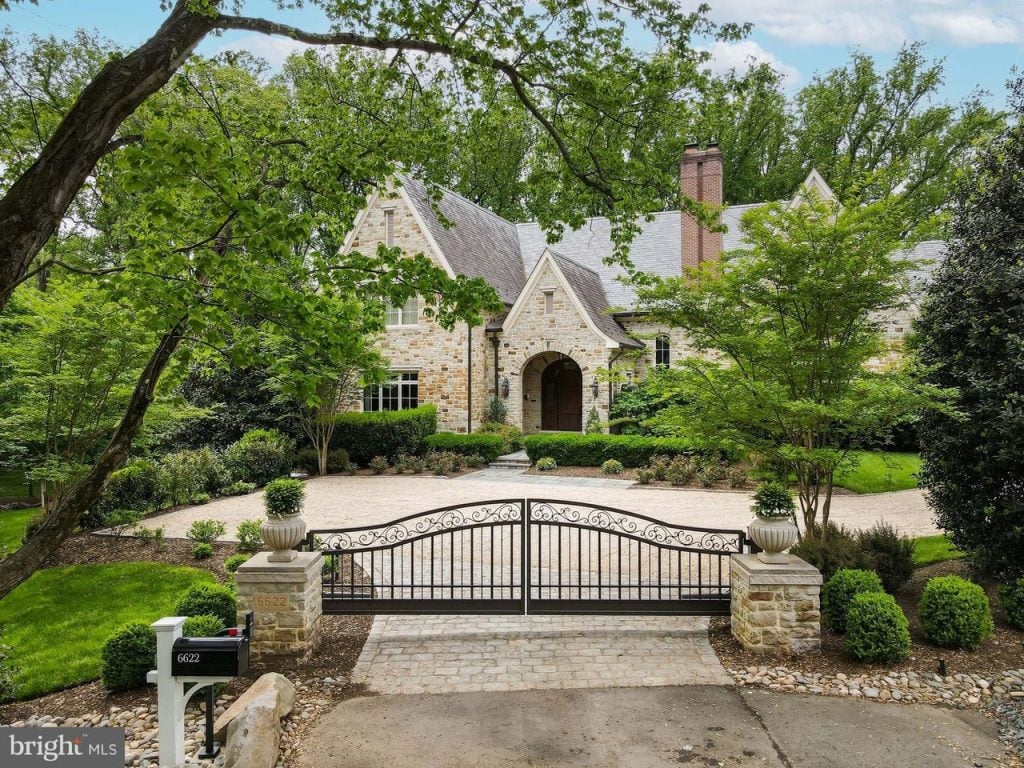
Langley area streetscape (placeholder)

Langley / Chain Bridge Road Estate lots

Leafy, quiet, and close to GW Parkway. Popular for privacy, proximity to DC, and access to scenic trails.
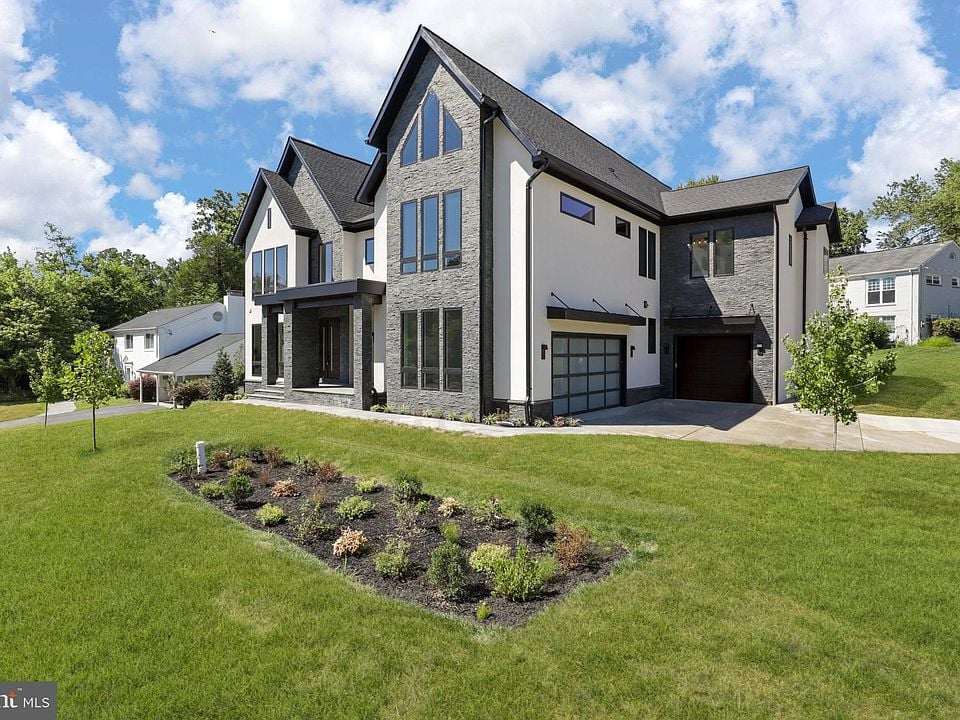
West McLean sidewalk scene (placeholder)

West McLean Convenience

Near central McLean shops and dining; mix of renovated ramblers and new builds. Sidewalk coverage is better here.
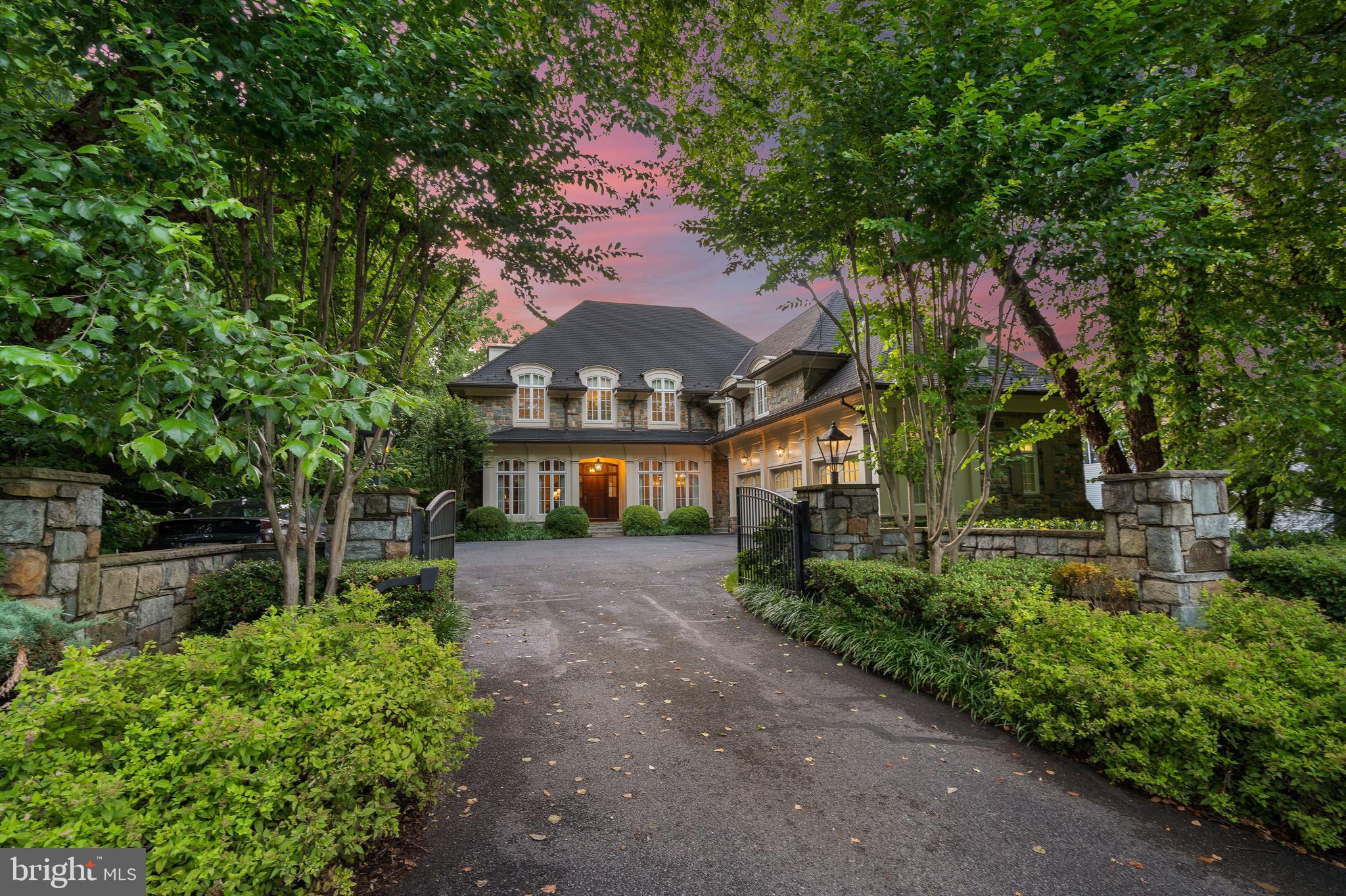
Salona Village home (placeholder)

Salona Village Walkable pockets

Coveted for proximity to downtown McLean and parks; premium for updated homes on larger lots.
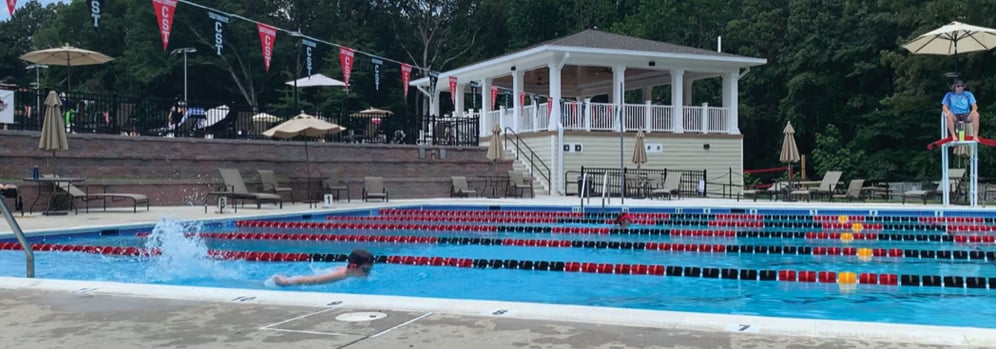
Lewinsville area (placeholder)

Lewinsville / Chesterbrook School focus

Streets with a neighborhood feel, strong school pyramids, a CLub and Pool, and quick access toward Tysons and Arlington.
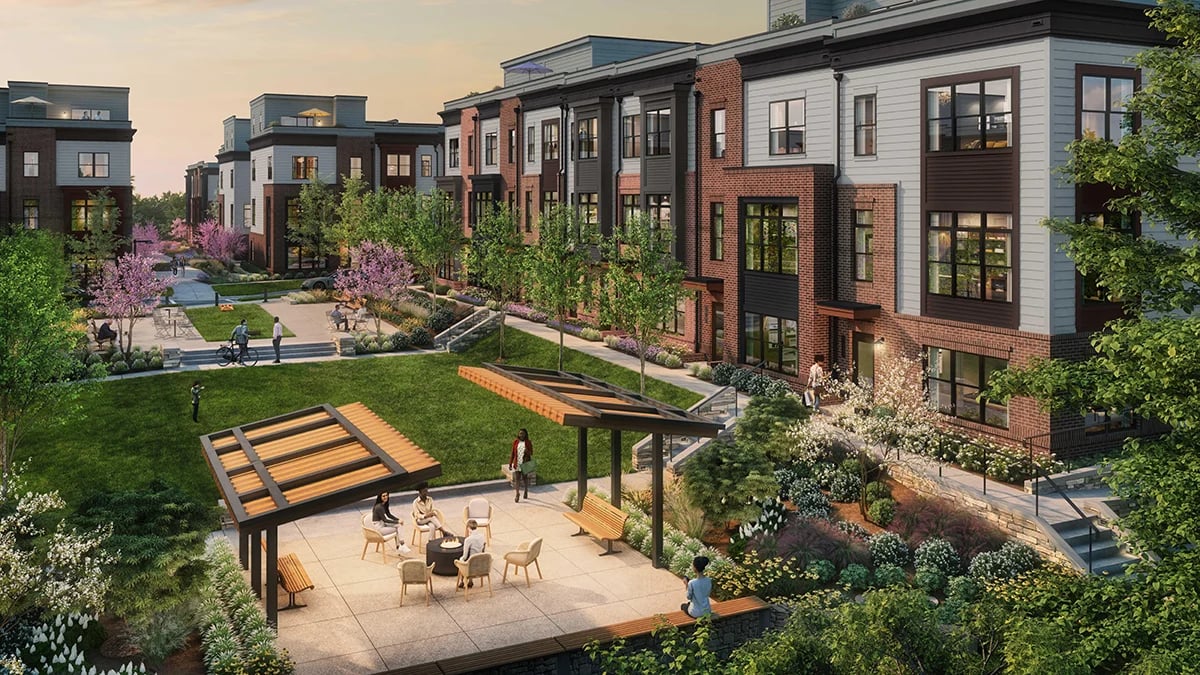
Tysons fringe townhomes (placeholder)

Tysons Fringe Urban access

Townhomes and newer builds within a short hop to Silver Line stations and luxury retail.
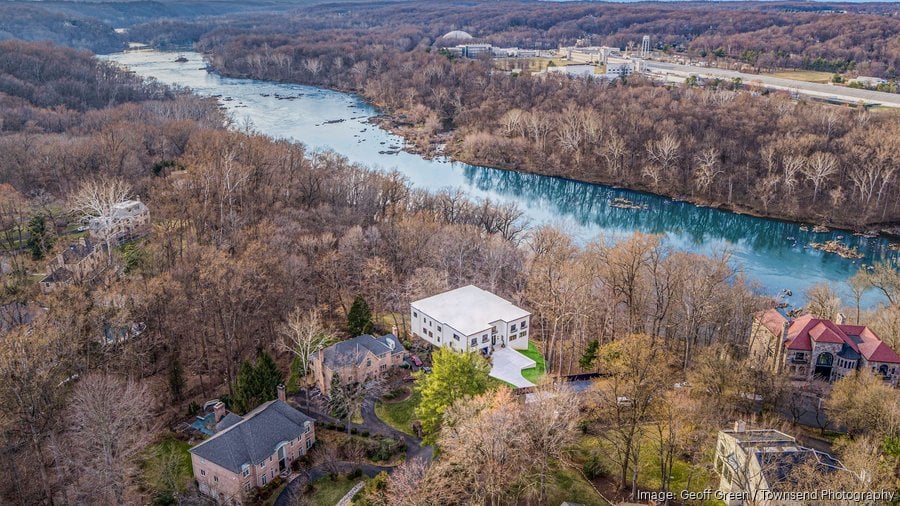
River Oaks area (placeholder)

River Oaks / Potomac side Scenic

Near Scott’s Run and the river; serene streets and a nature‑first vibe. Limited retail—by design.

Commute & transit

  • Fast routes off‑peak: GW Parkway to DC (Chain Bridge/Memorial Bridge), I‑495 to Maryland or Dulles tech corridor.
  • Metro (Silver Line): Stations at McLean, Tysons Corner, Greensboro, Spring Hill. Most McLean addresses are a short drive or bike away.
  • Peak tips: Depart before 7:15am or after 9:15am for DC‑bound trips; in the evening, watch Route 7/123 merges near Tysons.
  • Airport access: DCA via GW Parkway; IAD via Dulles Toll Road or I‑495 express lanes.
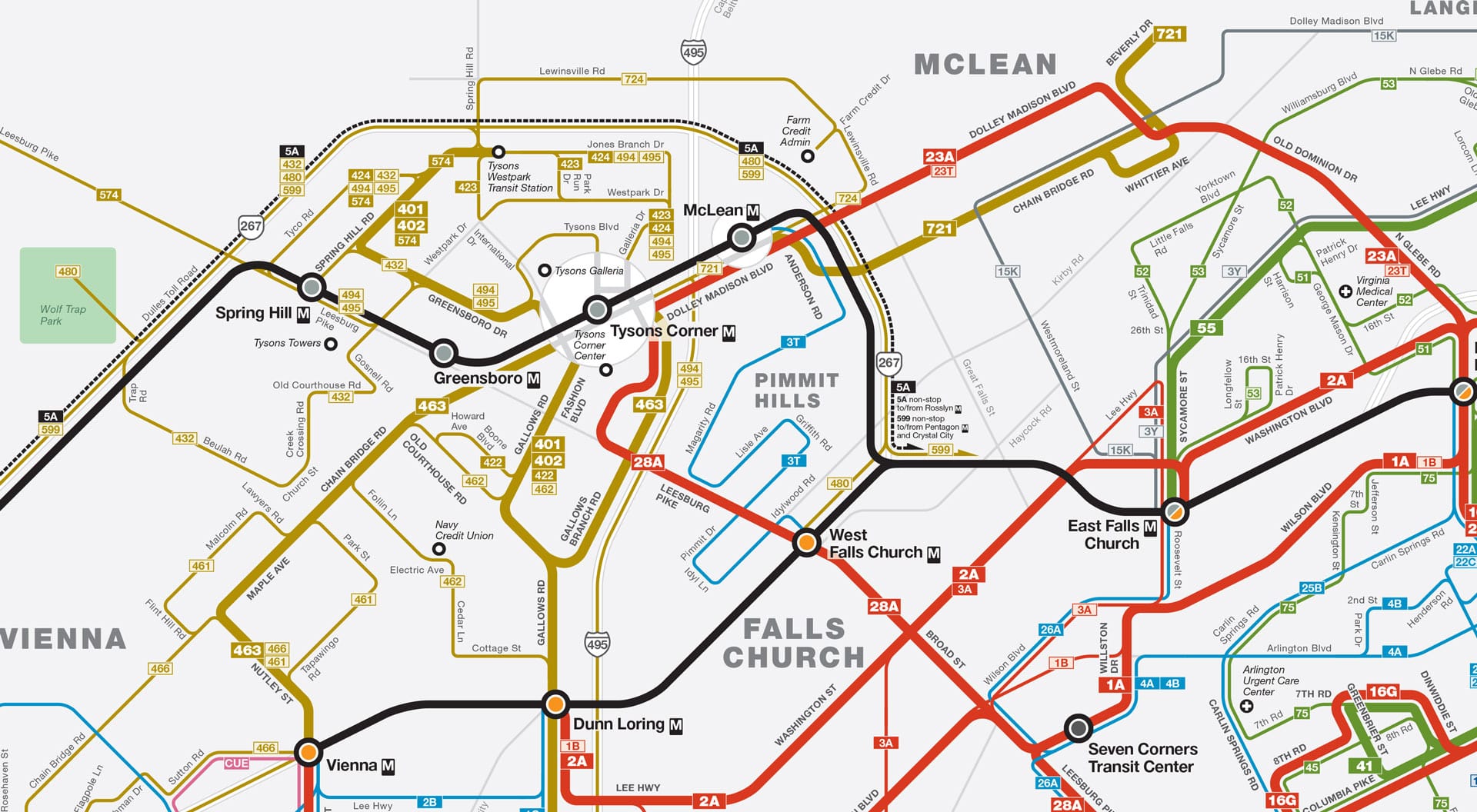
Simplified commute map: McLean to DC, Tysons, airports (placeholder)

Schools (public & private)

Many McLean neighborhoods feed into sought‑after Fairfax County Public Schools pyramids. Several respected private schools are within a 15–25 minute radius. Admissions and boundaries change—verify for your specific address.

Local check: Before you bid, plug the address into the FCPS boundary tool and call the school office to confirm future‑year assignments.

Lifestyle: dining, parks & weekends

  • Dining: Elevated options cluster in Tysons Galleria and along Route 123/7; downtown McLean offers neighborhood favorites and low‑key gems.
  • Parks & trails: Great Falls Park, Scott’s Run Nature Preserve, Clemyjontri Park, and Langley Oaks. Many streets back to parkland—ask about trail cut‑throughs.
  • Retail: Luxury shopping at Tysons Galleria; everyday errands in central McLean. Expect ongoing enhancements along the Tysons corridor.

Costs & housing types

McLean skews higher than neighboring markets due to land value and lot sizes. You’ll find:

  • Renovated 1960s–80s colonials and ramblers on established streets.
  • New‑build luxury homes and curated infill projects (tear‑downs common).
  • Townhomes and condos closer to Tysons for a lower‑maintenance lifestyle.
Buyer tip: Premiums track lot characteristics: usable rear yard, tree canopy, topography, and street quietness. Two similar homes can appraise differently based on these subtleties.

Agent tips (street‑level insights)

  • Mind the cut‑throughs. Some streets feel busier during school drop‑off/commute windows; tour at those exact times.
  • Test your commute. Drive your actual route at your actual hours before you write.
  • Inspect the trees. Mature canopy is a signature here—evaluate health, root systems, and drainage around the foundation.
  • Plan for permits. Renovations and tear‑downs are common; build in time for Fairfax County reviews.
  • Sidewalks & safety. If walkability is key, shortlist West McLean/Salona pockets and verify sidewalk continuity on your block.

FAQs

Is McLean good for commuters?

Yes—especially if you leverage the GW Parkway and avoid peak bottlenecks. Silver Line stations nearby add flexibility.

How competitive is the market?

Turn‑key properties in prime pockets move quickly. Pre‑inspection, strong terms, and flexible post‑occupancy can help.

Which areas are most walkable?

Look around downtown McLean, West McLean, and select pockets near schools and parks. Tysons‑fringe townhomes are walkable to retail and Metro.

Michael Falcone headshot placeholder small

Thinking about McLean?

I tour these streets weekly and track off‑market inventory. Let’s refine your shortlist by commute, school path, and street‑level quiet.
Primary logo placeholder Secondary logo placeholder
© Michael Falcone • All rights reserved • Privacy

Work With Michael

Contact Michael today to learn more about his unique approach to real estate, and how he can help you get the results you deserve.

Follow Me on Instagram