
Search
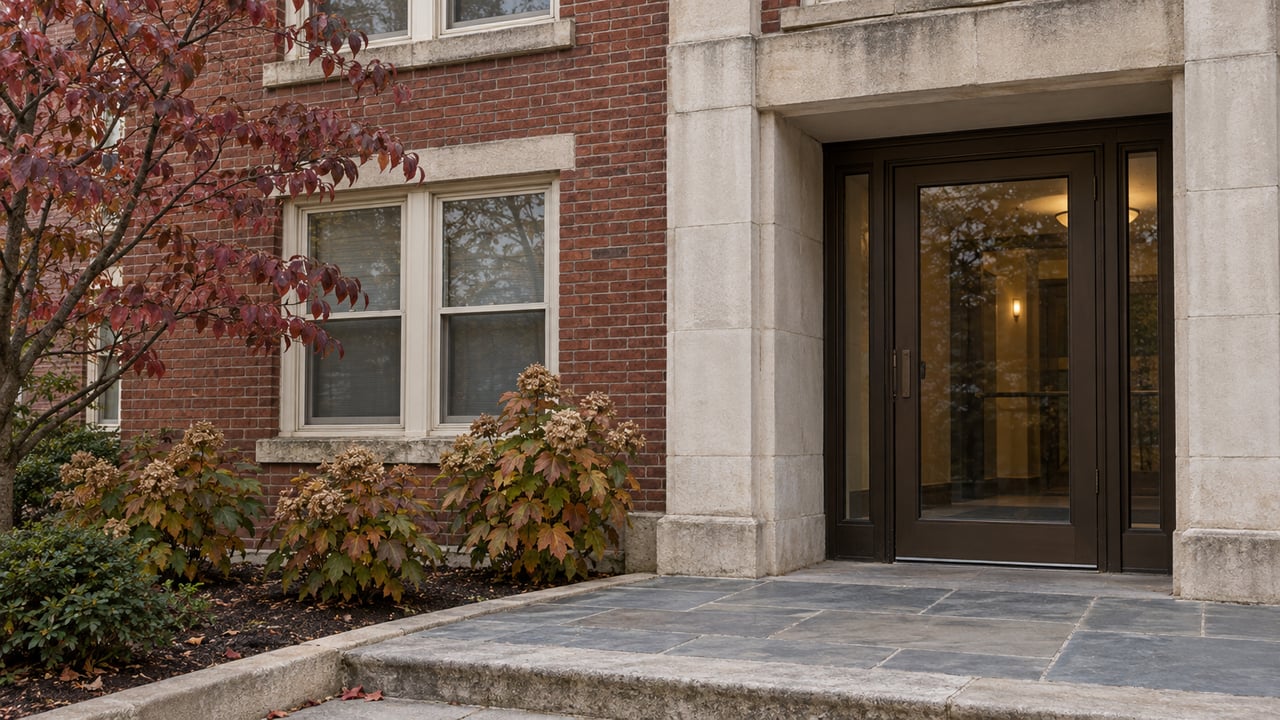
A softly lit Alexandria condominium living room with a linen chair overlooking a late-autumn courtyard and neighboring brick residences.

What Alexandria's Fall Home Sales Tell Buyers About This Winter

In September 2026, Alexandria's median sold price fell 11.4% from September 2025 to $660,000. The Northern Virginia Association of Realtors reported that drop in a month when the median for the wider Northern Virginia region rose 4.2%. A month later, Bright MLS's October 2026 report put the city's October median at $789,900, up 5.3% from October 2025.

Alexandria's median rests on 125 to 145 closings a month, so it moves with whichever homes happened to close. Inventory, contracts, list-price ratios and price cuts are counted across hundreds of listings, and all of them have moved in the same direction since late summer. They show a city where buyers have more room to bargain this winter than buyers in the neighboring jurisdictions, and where homes priced right still sell fast.

A median built on about 130 closings

In September 2026, 143 Alexandria homes closed, down 14.4% from September 2025. In October 2026, 125 closed, down 27.3% from October 2025. With that few sales, the median changes a lot depending on how many detached houses close in a given month compared with condos. NVAR gave no cause for September's drop. Alexandria Living Magazine pointed to a regional shift toward condo and townhouse listings, which usually sell for less than detached homes.

The mix shift works in both directions. In ALXnow's coverage of the September numbers, Bright MLS chief economist Lisa Sturtevant said the regional price gain came largely from a greater share of expensive single-family homes among the homes that sold. So the same effect that pushed Alexandria's median down in September helped push the regional median up. One more detached closing or one fewer condo closing can change the headline in a city of Alexandria's size.

In September, all three segments came in lower

Mix doesn't explain all of September. Alexandria's figures from MarketStats by ShowingTime report averages, not medians, so they are a separate series from NVAR's $660,000 and the two shouldn't be compared directly. Measured that way, average sale prices in September 2026 fell year over year in every category. Single-family homes averaged $1,256,267, down 7.3%. Attached homes, a category covering townhouses, rowhouses and condos, averaged $715,387, down 8%. Condos alone averaged $423,806, down 18.5%.

October's higher median shows these averages are no forecast. They also don't come from one unusual month. In August 2026, ALXnow reported average prices up 14.7% for single-family homes and up 13.6% for attached homes, across only 20 single-family sales and 110 attached sales. Prices that rise in August, fall in September and rise again in October on samples that size are mostly noise.

The numbers that kept moving in one direction

Measure Period Alexandria, 2026 Year earlier
Homes on the market End of September 464 366
Pending sales End of September 133 162
Sale price as share of original list price September 97.7% 98.7%
Active listings October 503 about 365
New purchase contracts October 118 about 173
Months of supply October 3.18 about 2.23
Listings with a price cut Week ending Nov. 8 11.6% 10.3%
Showings Week ending Nov. 8 426 585

The 464 homes on the market at the end of September were about 50% above the five-year September average of 310. Pending sales usually turn into closings within a month or two. October's 31.8% drop in new contracts therefore points to a thin run of closings into December, whatever the median does. Sellers who closed in September got 97.7% of their original list price, below the five-year September average of 98.5%. Bright MLS reports the October figures as preliminary and subject to revision.

Homes that sell still sell in 12 days

Alexandria's median days on market in October 2026 was 12, the same as in October 2025. Half of the homes that closed that month went under contract within 12 days, while active listings rose 37.8% and, in early November, 11.6% of listings carried a price cut. The quick contracts and the rising inventory are happening in the same city at the same time, so the extra room to bargain is not spread evenly across every listing. A buyer who assumes every Alexandria listing is soft is reading the citywide averages, not the home in front of them.

Alexandria next to its neighbors

The price-cut figure shows how Alexandria compares with the places buyers weigh it against. In the week ending Nov. 8, 11.6% of Alexandria listings had a price cut, compared with 9.2% in Arlington and 8.2% in Fairfax County, according to the ALXnow report on October's sales. In October 2026, Alexandria's closings fell 27.3% from a year earlier, while Arlington's fell 1.6%.

The September medians, which carry the same small-sample caveat, ranged widely across the region. Arlington was at $655,000, down 4.6%. Fairfax County was at $749,750, up 5.6%, on 897 sales. Falls Church was at $1,030,000 on 10 sales. Fairfax County's figure, built on almost 900 sales, was the steadiest of these numbers. The smaller jurisdictions' medians swing more for the same reason Alexandria's does. If you're weighing Arlington against Alexandria, compare price cuts and contract counts, not medians.

Condos carry most of the slack

Across the D.C. metro in October 2026, the condo median was $375,000, down 5.1%, and condos took a median 32 days to sell, 11 more than a year earlier. Townhouses held almost flat at $595,000, down 0.8%, and single-family detached homes rose 2% to $826,000. NVAR reported that condo and townhouse inventory across Northern Virginia was up 49.7% in September 2026 from a year earlier, while detached inventory rose 5.7%.

Alexandria's 18.5% drop in average condo price in September matches that regional pattern. Taken together, the figures put most of the new bargaining room in condos and the least in detached homes. Detached listings in the city remain scarce, and a buyer shopping that segment should expect less give than the citywide price-cut numbers suggest.

The new townhouses after this winter

A buyer choosing an Alexandria townhouse this winter is choosing before two new-construction townhouse projects reach the market. In Potomac Yard, the City Council approved the Landbays G and H plan in December 2025. It includes 120 for-sale townhouses at 2601 Main Line Blvd, a 432-unit multifamily building at 2900 and 2901 Main Line Blvd, and 88 affordable homes at 601 E. Glebe Road. The City's October 2026 implementation report lists all 640 units as approved and not yet built, with construction of the townhouses and the larger building expected in early 2027.

At WestEnd, the 52-acre redevelopment of the former Landmark Mall, Van Metre bought blocks L and M at 5801 Duke Street for 110 three-level townhomes and plans to start taking reservations next spring. The first WestEnd residential building, 390 units, broke ground in June, with completion expected in 2028, the same year Inova is targeting for its hospital campus there. When these homes come to market, resale townhouses on the west side of the city and near the Potomac Yard Metro will compete with new construction. If you plan to sell in a few years, that matters as much as this winter's purchase price.

Questions buyers are asking this month

Is Alexandria's price drop over, since October came in higher? The October median is one month of data on 125 sales and is still preliminary. The figures to watch are contracts and active listings, and in October contracts were down 31.8% while active listings were up 37.8%.

Does Bright MLS expect prices to fall further before year-end? Speaking to ALXnow, Sturtevant said the D.C.-area market would stay sluggish through the end of the year. She said buyers still in the market would have more room to negotiate, with sellers more likely to cut asking prices and offer concessions in November and December. Bright's monthly report expects inventory to rise but no significant price drops in most markets.

Are federal job cuts behind the slowdown? In ALXnow's September coverage, Sturtevant attributed the cooler D.C.-area market to higher interest rates, "and not federal government cuts."

If you're comparing Alexandria listings this winter, talk with Falcone Real about how long each home has been on the market and which recent Alexandria sales it should be measured against. Start with our buyer resources or schedule a consultation before you make an offer.

Living & Working in McLean, VA: Pros & Cons (Local Guide)
Michael Falcone headshot placeholder
By Michael Falcone • Updated Aug 18, 2025
Home ▸ Guides ▸ McLean, VA
Local Guide

Living & Working in McLean, VA: The Real Pros & Cons

Reading time: 8–10 mins Region: McLean, Tysons, Great Falls corridor
Tree‑lined street and elegant homes in McLean, VA (placeholder)

McLean blends quiet, tree‑canopied neighborhoods with fast access to Tysons, DC, and the George Washington Parkway. It’s where privacy and proximity meet—if you know which streets to target.

Pros (Why people choose McLean)

  • Proximity without the city noise. Minutes to Tysons, 15–25 minutes to DC in off‑peak via GW Parkway; quick access to I‑495, Route 123, and Route 7.
  • Top‑tier public schools. Many neighborhoods feed into highly rated FCPS pyramids; competitive private options nearby.
  • Lot size & privacy. Mature trees, larger lots than Arlington or Alexandria; pockets with estate‑style settings.
  • Safety & prestige. Quiet streets, well‑kept homes, and a refined, low‑key feel.
  • Outdoor access. Great Falls Park, Scott’s Run, and Langley Oaks trails are weekend staples.
  • Dining & retail upgrades. Tysons Corner Center, Tysons Galleria, and a growing fine‑dining scene within a 10‑minute radius.

Cons (The trade‑offs)

  • Peak‑hour traffic. GW Parkway, Chain Bridge, Route 123, and Route 7 bottlenecks can add significant time.
  • Price point. Premium land values; new builds and renovated homes command high multiples.
  • Walkability varies. Some pockets are car‑dependent; sidewalks aren’t universal on interior streets.
  • Older housing stock in core McLean. Many 1960s–1980s homes need updates; tear‑down activity is common.
  • Metro access is nearby—but not everywhere. Silver Line stations sit mainly in Tysons; plan for a short drive or bike unless you’re very close to the McLean station area.
Local note: If your commute depends on Chain Bridge or the GW Parkway, your exact street matters. Two similar addresses can mean a 10‑ to 20‑minute difference during peak.

Neighborhood snapshots (insider quick‑takes)
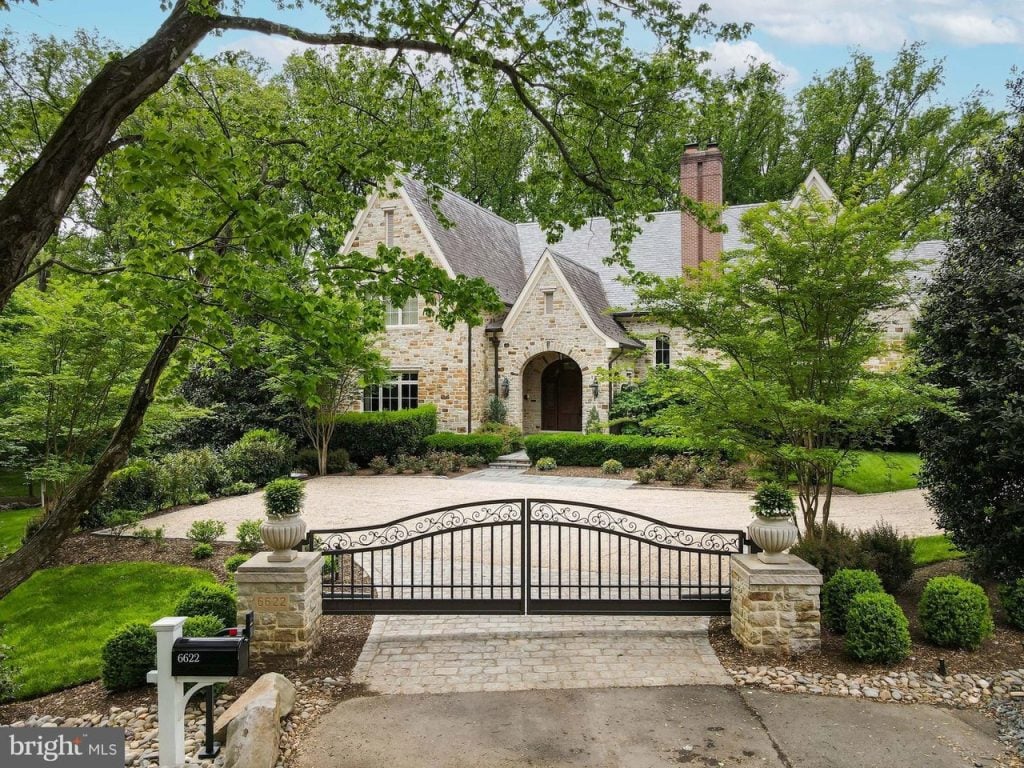
Langley area streetscape (placeholder)

Langley / Chain Bridge Road Estate lots

Leafy, quiet, and close to GW Parkway. Popular for privacy, proximity to DC, and access to scenic trails.
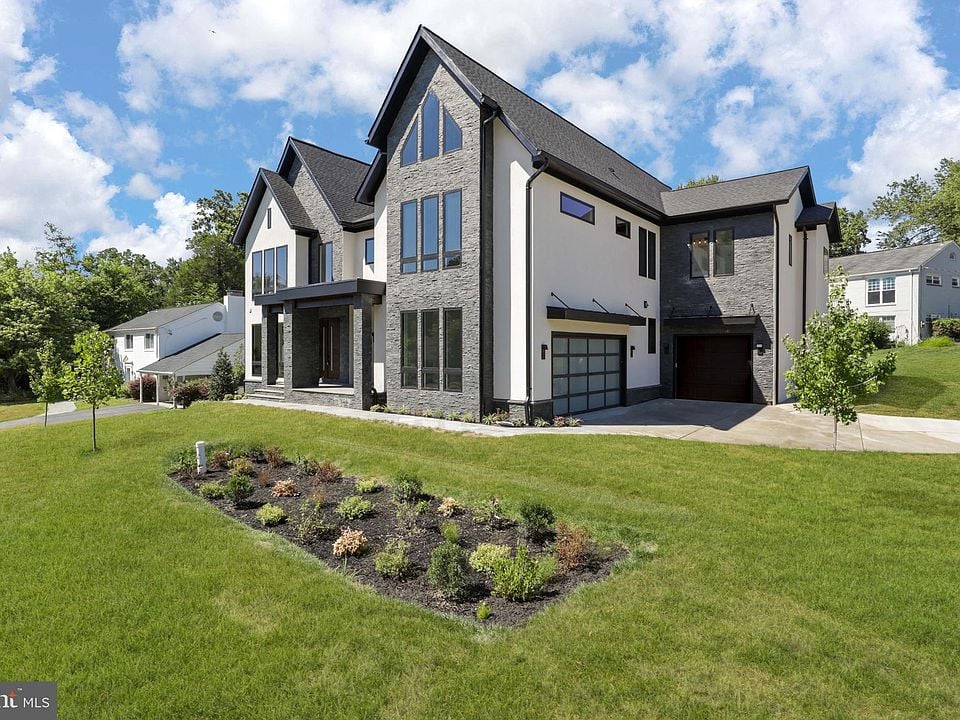
West McLean sidewalk scene (placeholder)

West McLean Convenience

Near central McLean shops and dining; mix of renovated ramblers and new builds. Sidewalk coverage is better here.
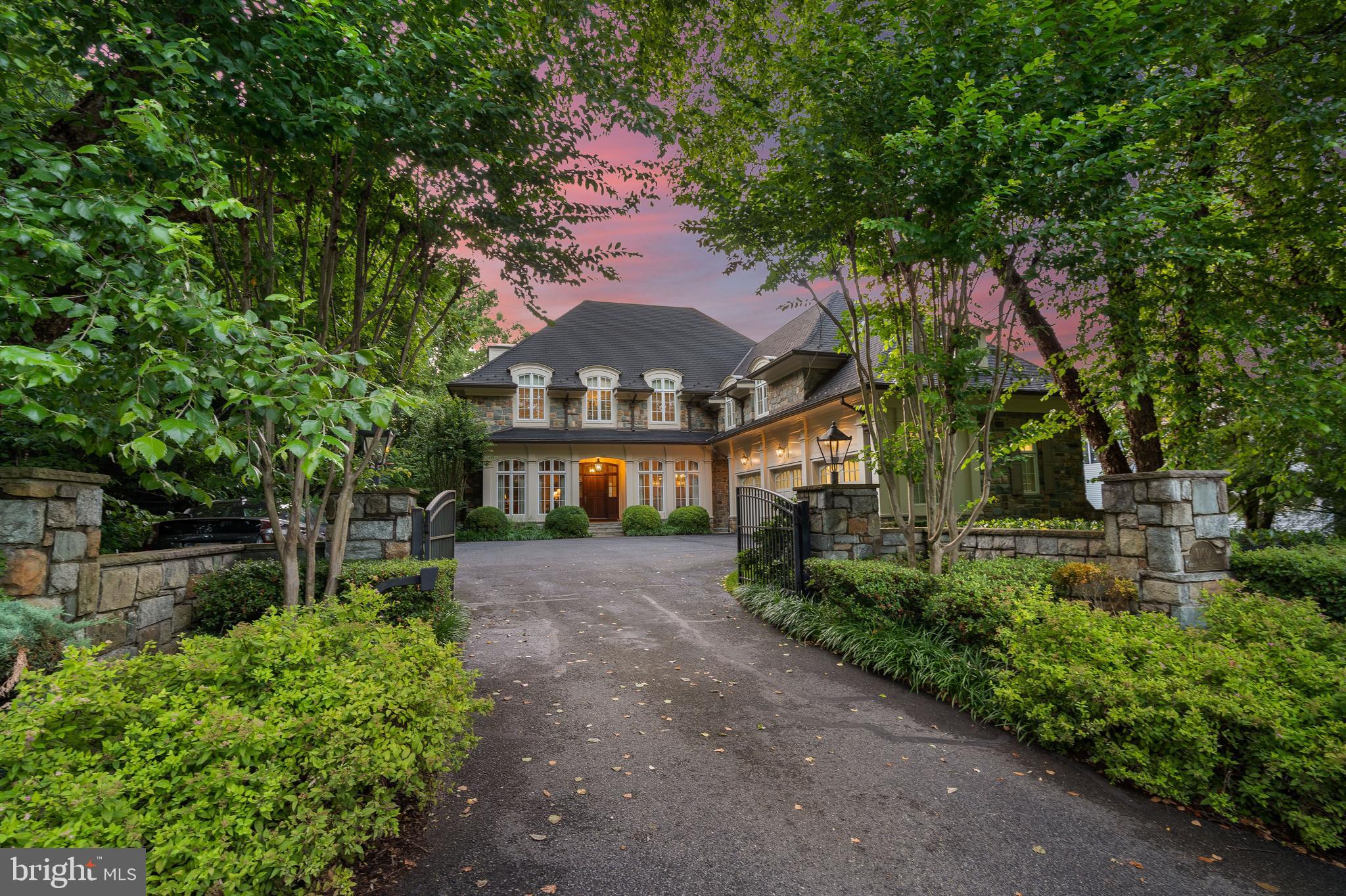
Salona Village home (placeholder)

Salona Village Walkable pockets

Coveted for proximity to downtown McLean and parks; premium for updated homes on larger lots.

Lewinsville area (placeholder)

Lewinsville / Chesterbrook School focus

Streets with a neighborhood feel, strong school pyramids, a CLub and Pool, and quick access toward Tysons and Arlington.
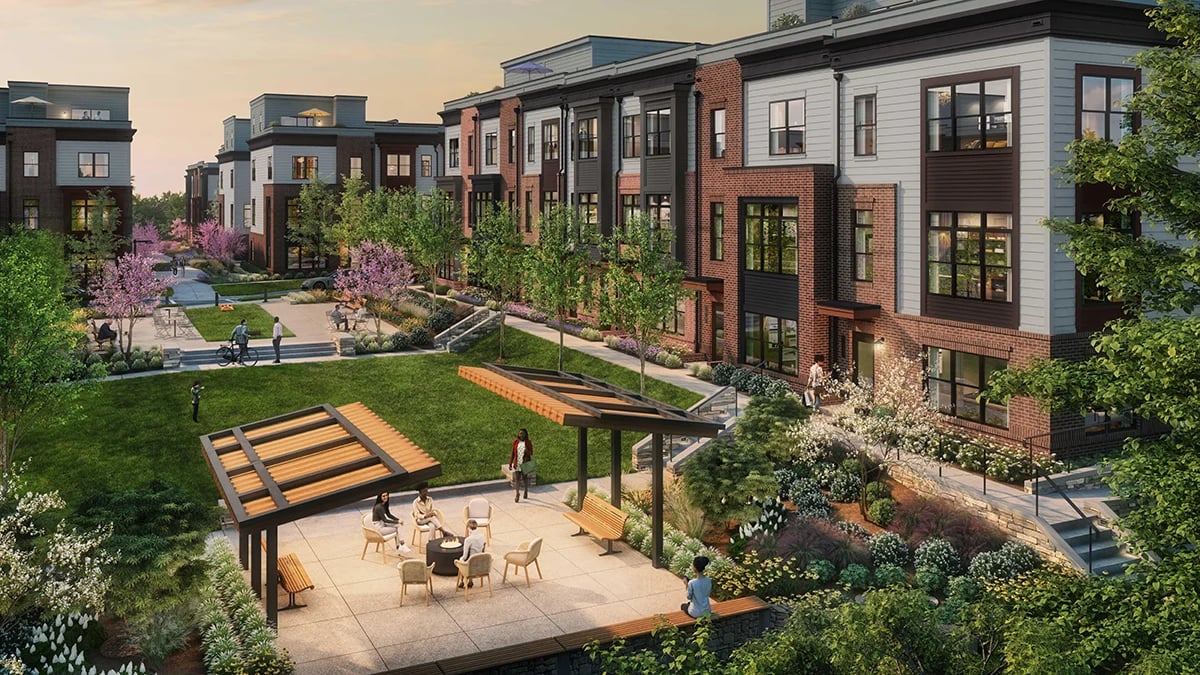
Tysons fringe townhomes (placeholder)

Tysons Fringe Urban access

Townhomes and newer builds within a short hop to Silver Line stations and luxury retail.
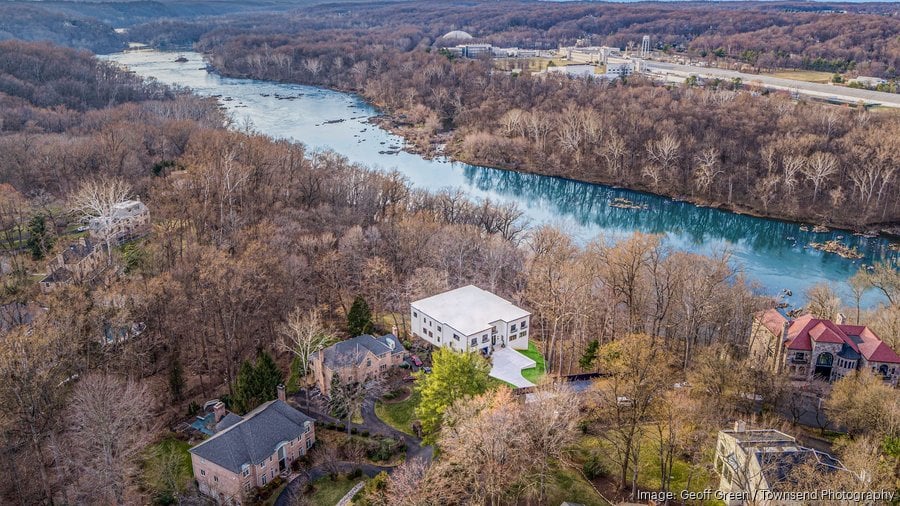
River Oaks area (placeholder)

River Oaks / Potomac side Scenic

Near Scott’s Run and the river; serene streets and a nature‑first vibe. Limited retail—by design.

Commute & transit

  • Fast routes off‑peak: GW Parkway to DC (Chain Bridge/Memorial Bridge), I‑495 to Maryland or Dulles tech corridor.
  • Metro (Silver Line): Stations at McLean, Tysons Corner, Greensboro, Spring Hill. Most McLean addresses are a short drive or bike away.
  • Peak tips: Depart before 7:15am or after 9:15am for DC‑bound trips; in the evening, watch Route 7/123 merges near Tysons.
  • Airport access: DCA via GW Parkway; IAD via Dulles Toll Road or I‑495 express lanes.
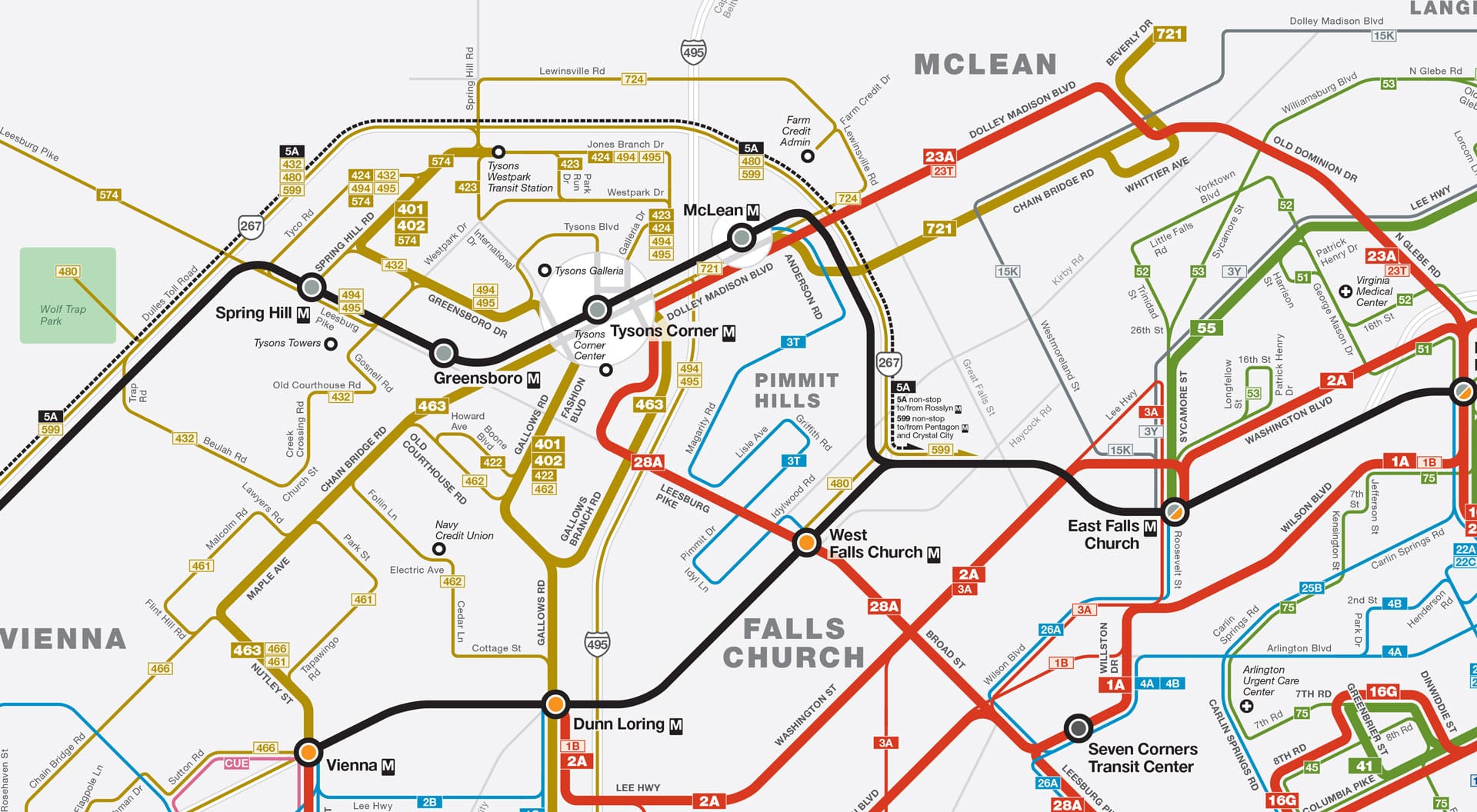
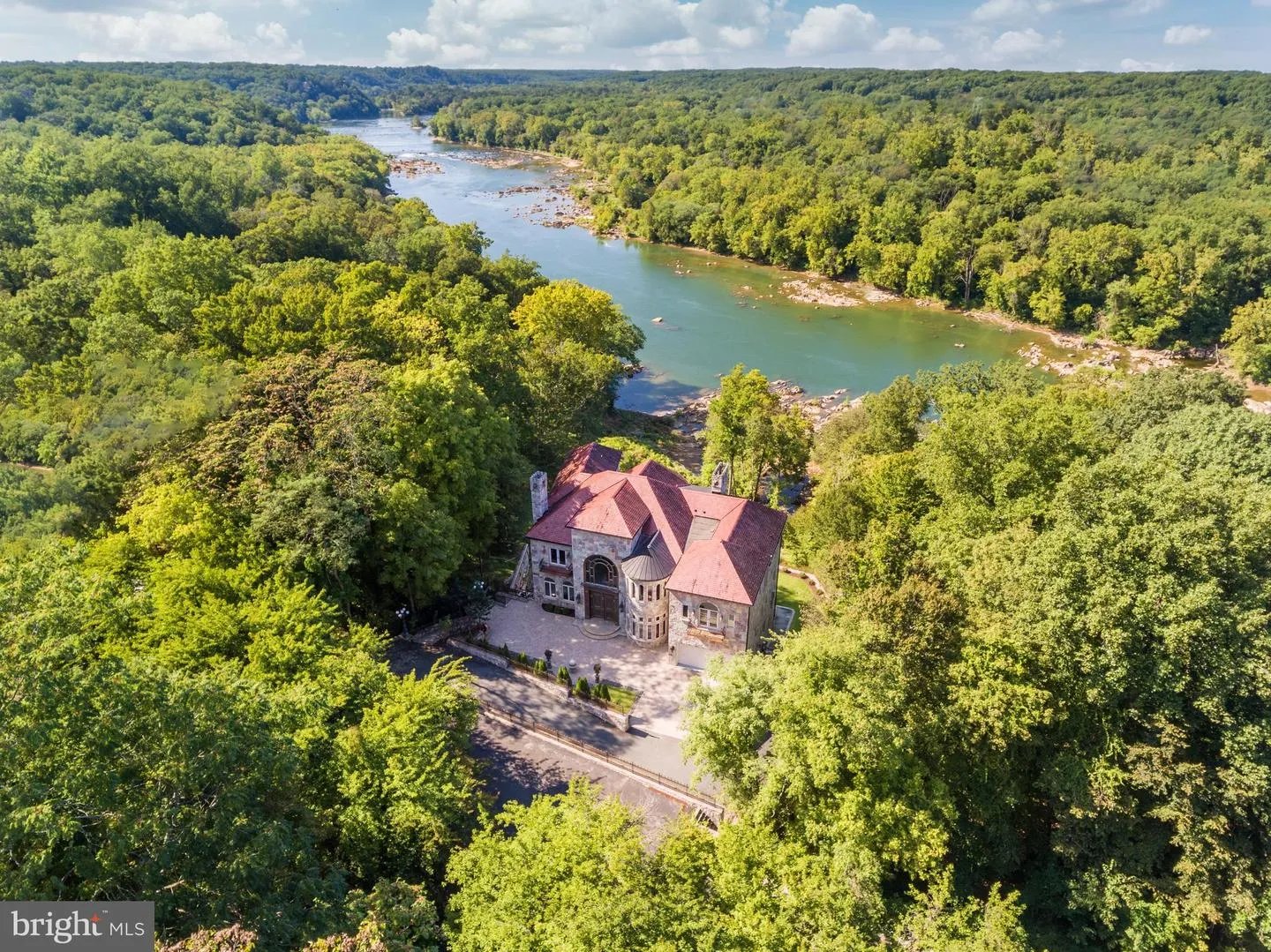
Simplified commute map: McLean to DC, Tysons, airports (placeholder)

Schools (public & private)

Many McLean neighborhoods feed into sought‑after Fairfax County Public Schools pyramids. Several respected private schools are within a 15–25 minute radius. Admissions and boundaries change—verify for your specific address.

Local check: Before you bid, plug the address into the FCPS boundary tool and call the school office to confirm future‑year assignments.

Lifestyle: dining, parks & weekends

  • Dining: Elevated options cluster in Tysons Galleria and along Route 123/7; downtown McLean offers neighborhood favorites and low‑key gems.
  • Parks & trails: Great Falls Park, Scott’s Run Nature Preserve, Clemyjontri Park, and Langley Oaks. Many streets back to parkland—ask about trail cut‑throughs.
  • Retail: Luxury shopping at Tysons Galleria; everyday errands in central McLean. Expect ongoing enhancements along the Tysons corridor.

Costs & housing types

McLean skews higher than neighboring markets due to land value and lot sizes. You’ll find:

  • Renovated 1960s–80s colonials and ramblers on established streets.
  • New‑build luxury homes and curated infill projects (tear‑downs common).
  • Townhomes and condos closer to Tysons for a lower‑maintenance lifestyle.
Buyer tip: Premiums track lot characteristics: usable rear yard, tree canopy, topography, and street quietness. Two similar homes can appraise differently based on these subtleties.

Agent tips (street‑level insights)

  • Mind the cut‑throughs. Some streets feel busier during school drop‑off/commute windows; tour at those exact times.
  • Test your commute. Drive your actual route at your actual hours before you write.
  • Inspect the trees. Mature canopy is a signature here—evaluate health, root systems, and drainage around the foundation.
  • Plan for permits. Renovations and tear‑downs are common; build in time for Fairfax County reviews.
  • Sidewalks & safety. If walkability is key, shortlist West McLean/Salona pockets and verify sidewalk continuity on your block.

FAQs

Is McLean good for commuters?

Yes—especially if you leverage the GW Parkway and avoid peak bottlenecks. Silver Line stations nearby add flexibility.

How competitive is the market?

Turn‑key properties in prime pockets move quickly. Pre‑inspection, strong terms, and flexible post‑occupancy can help.

Which areas are most walkable?

Look around downtown McLean, West McLean, and select pockets near schools and parks. Tysons‑fringe townhomes are walkable to retail and Metro.

Michael Falcone headshot placeholder small

Thinking about McLean?

I tour these streets weekly and track off‑market inventory. Let’s refine your shortlist by commute, school path, and street‑level quiet.

Primary logo placeholder Secondary logo placeholder
© Michael Falcone • All rights reserved • Privacy

Work With Michael

Contact Michael today to learn more about his unique approach to real estate, and how he can help you get the results you deserve.

Follow Me on Instagram