
Search

Leave a Message

By providing your contact information to Falcone Real, your personal information will be processed in accordance with Falcone Real's Privacy Policy. By checking the box(es) below, you consent to receive communications regarding your real estate inquiries and related marketing and promotional updates in the manner selected by you. For SMS text messages, message frequency varies. Message and data rates may apply. You may opt out of receiving further communications from Falcone Real at any time. To opt out of receiving SMS text messages, reply STOP to unsubscribe.

Thank you for your message. I will be in touch with you shortly.

Browse Properties
The First Bar at Great Falls Center Opens This Summer, and It Says Something About the Village

The First Bar at Great Falls Center Opens This Summer, and It Says Something About the Village

Great Falls Center sits at the corner of Georgetown Pike and Walker Road, and for most of the last decade it has been a lunch and early-dinner place. Village Grill for breakfast plates, Izumi for a quiet sushi dinner, Toastique for a mid-morning stop, Bollywood Bistro for a family meal. What the strip has never had is a room that stays lit after nine with people ordering a second drink.

That is the specific gap Great Falls Lodge Bar & Grill is opening into at 9835 Georgetown Pike, in the space that housed El Tio Tex-Mex Grill.

What Is Actually Opening at 9835 Georgetown Pike

The restaurant is the third location of a small Maryland-based concept, following existing lodges in Ijamsville and Clarksburg. Owner and chef Neel Kamal targeted a soft launch in the first week of July, with a potential opening as soon as Monday, June 29. Initial hours are dinner only, from 3 to 10 p.m., with a plan to expand into lunch and happy hour once the kitchen finds its rhythm. Live music on weekends is on the roadmap.

The room itself is roughly the same footprint diners already know from El Tio. The space is 4,689 square feet. The design brief is a rustic mountain lodge, which in practice means dark wood, warm lighting, and taxidermy on the walls, closer in feel to a ski-town tavern than the polished-casual rooms that dominate the rest of the center.

The menu is where the Great Falls version diverges from what you might expect from a "lodge" concept. The food menu mixes standard American bar fare like chicken wings, fish and chips, and hickory burgers with Southern dishes such as jambalaya and Indian cuisine including butter chicken and a chili paneer flatbread. That is Kamal's background showing through. He has been in hospitality for more than thirty years and also runs the Indian restaurant Maharani Palace in Herndon, so the crossover on the plate is deliberate rather than a menu-committee decision.

The Category Great Falls Center Has Never Had

The village center has restaurants. It does not have a bar. That distinction matters more than it sounds.

The existing lineup at Great Falls Center includes Village Grill, Izumi Sushi Japanese Cuisine, Toastique and Bollywood Bistro, but no bars like what Great Falls Lodge plans to offer. Every one of those tenants closes early by design. A resident who wanted a nightcap after a Wolf Trap show or a drink with a neighbor after a Saturday hike at Riverbend has had two choices: drive to Reston Town Center, or drive to Tysons. Both are fifteen to twenty minutes away depending on the light at Route 7.

That absence has been the quiet reason downtown Great Falls has felt more like a daytime service node than a village. Retail concentration is real here. Retail in Great Falls is mostly concentrated around the Georgetown Pike and Walker Road intersection. When the one commercial cluster in a small residential area has no evening anchor, the sidewalks empty out by 8:30. The Lodge is the first tenant with an economic model that rewards staying open past dinner.

The Operator's Read on Why Now

Kamal was direct about the market logic:

Great Falls is a neat community with plenty of history but limited existing options for dining.

The candor is worth pausing on. Operators looking at a submarket usually talk about growth, demographics, or a pipeline of nearby development. Kamal named the thing residents already know. There are not many places to eat here, and even fewer where you would linger. He also noted, more directly, that "there's not much there, so people are really excited."

That is a candid read on a submarket most operators would either avoid because the storefront count is small, or oversell because the household income is high. Kamal is doing neither. He is treating Great Falls as a village that can support one more tenant if the tenant fills a gap the existing ones do not.

The Vienna Sibling Changes How to Read This

The Great Falls opening is not standalone. A second Northern Virginia location is coming behind it.

A Vienna Lodge is in the works in Merrifield, expected to open sometime in August in the former Blackfinn Ameripub storefront at 2750F Gallows Road. The Vienna Lodge will be significantly larger than the Great Falls restaurant at 8,654 square feet. The Merrifield location is planned to lean more sports-focused, with a possible pool table and a brunch buffet, but running the same basic menu.

The staggered rollout tells you something about how Kamal is thinking about the two rooms. Great Falls is the intimate one. Merrifield is the volume play with a bar-first identity. He is not treating the Great Falls Center storefront as a test kitchen for a larger regional concept, which is what would usually happen when a Maryland operator opens their first Virginia location in an affluent, low-density submarket. He is treating it as a neighborhood tavern that happens to precede a bigger sibling.

For residents, the practical effect is that the Great Falls room will run differently than a suburban sports bar. Smaller footprint, dinner hours first, live music on weekends rather than eight televisions above the bar. Closer to the tone of the existing center than to the format Merrifield is getting.

What a Weeknight in Great Falls Looks Like After This

Consider the small mechanics that change once the Lodge is open.

  • A late arrival home from Tysons no longer forces a decision between cooking or driving out again for a drink.
  • A group meeting a neighbor after 8:30 has one option inside the 22066 ZIP that does not require Georgetown Pike west toward Leesburg or east toward the Beltway.
  • Weekend live music adds a reason to be at the intersection at an hour when it has previously gone dark.

None of that reshapes the village. It does mean that the pattern residents have adapted to, where the after-hours plan is somewhere else, gets a small local alternative for the first time.

The Lodge concept also brings a bar program that Kamal's Maryland rooms are known for. The Urbana and Clarksburg lodges are described on their sites as neighborhood bars with a focus on whiskeys and craft beers, and Kamal says both have been very successful, which is what encouraged the Virginia expansion. Whiskey depth and a craft list are a specific bet on a demographic that reads more like a country-club member than a happy-hour commuter, and that is a defensible read on who actually walks into a Great Falls Center storefront at 9 p.m.

The Small Read on the Village Itself

Great Falls has always been valued for what it lacks. No high-density corridor, no rail station, no fifteen-block retail spine. The residential character is the product. Georgetown Pike stays two lanes because residents want it to. The village center stays small for the same reason.

Inside that constraint, every new tenant is a signal about what the community is willing to have. A bar-forward concept moving in tells you that the appetite exists for one evening anchor, not that the village is about to add five more. Kamal himself framed the opportunity in terms of scarcity rather than growth, and residents can read that both ways. Fewer options mean the ones that arrive have to work harder to earn a Saturday night. It also means the ones that succeed will define the after-dark rhythm of the intersection by themselves for a while.

The Lodge opens into that quiet space. Whether it becomes a Friday-night habit or stays a monthly stop is a question the neighborhood will answer over the next few seasons. For now, the fact that the answer is even available at Georgetown Pike and Walker Road is the news.


If you are thinking about what a village like this looks like over the next few years, and what a new evening anchor at the center actually means for the homes around it, Michael Falcone has spent more than three decades reading Northern Virginia block by block. Reach out for a conversation about your home, your search, or the market you are watching.

Living & Working in McLean, VA: Pros & Cons (Local Guide)
Michael Falcone headshot placeholder
By Michael Falcone • Updated Aug 18, 2025
HomeGuidesMcLean, VA
Local Guide

Living & Working in McLean, VA: The Real Pros & Cons

Reading time: 8–10 mins Region: McLean, Tysons, Great Falls corridor
Tree‑lined street and elegant homes in McLean, VA (placeholder)

McLean blends quiet, tree‑canopied neighborhoods with fast access to Tysons, DC, and the George Washington Parkway. It’s where privacy and proximity meet—if you know which streets to target.

Pros (Why people choose McLean)

  • Proximity without the city noise. Minutes to Tysons, 15–25 minutes to DC in off‑peak via GW Parkway; quick access to I‑495, Route 123, and Route 7.
  • Top‑tier public schools. Many neighborhoods feed into highly rated FCPS pyramids; competitive private options nearby.
  • Lot size & privacy. Mature trees, larger lots than Arlington or Alexandria; pockets with estate‑style settings.
  • Safety & prestige. Quiet streets, well‑kept homes, and a refined, low‑key feel.
  • Outdoor access. Great Falls Park, Scott’s Run, and Langley Oaks trails are weekend staples.
  • Dining & retail upgrades. Tysons Corner Center, Tysons Galleria, and a growing fine‑dining scene within a 10‑minute radius.

Cons (The trade‑offs)

  • Peak‑hour traffic. GW Parkway, Chain Bridge, Route 123, and Route 7 bottlenecks can add significant time.
  • Price point. Premium land values; new builds and renovated homes command high multiples.
  • Walkability varies. Some pockets are car‑dependent; sidewalks aren’t universal on interior streets.
  • Older housing stock in core McLean. Many 1960s–1980s homes need updates; tear‑down activity is common.
  • Metro access is nearby—but not everywhere. Silver Line stations sit mainly in Tysons; plan for a short drive or bike unless you’re very close to the McLean station area.
Local note: If your commute depends on Chain Bridge or the GW Parkway, your exact street matters. Two similar addresses can mean a 10‑ to 20‑minute difference during peak.

Neighborhood snapshots (insider quick‑takes)
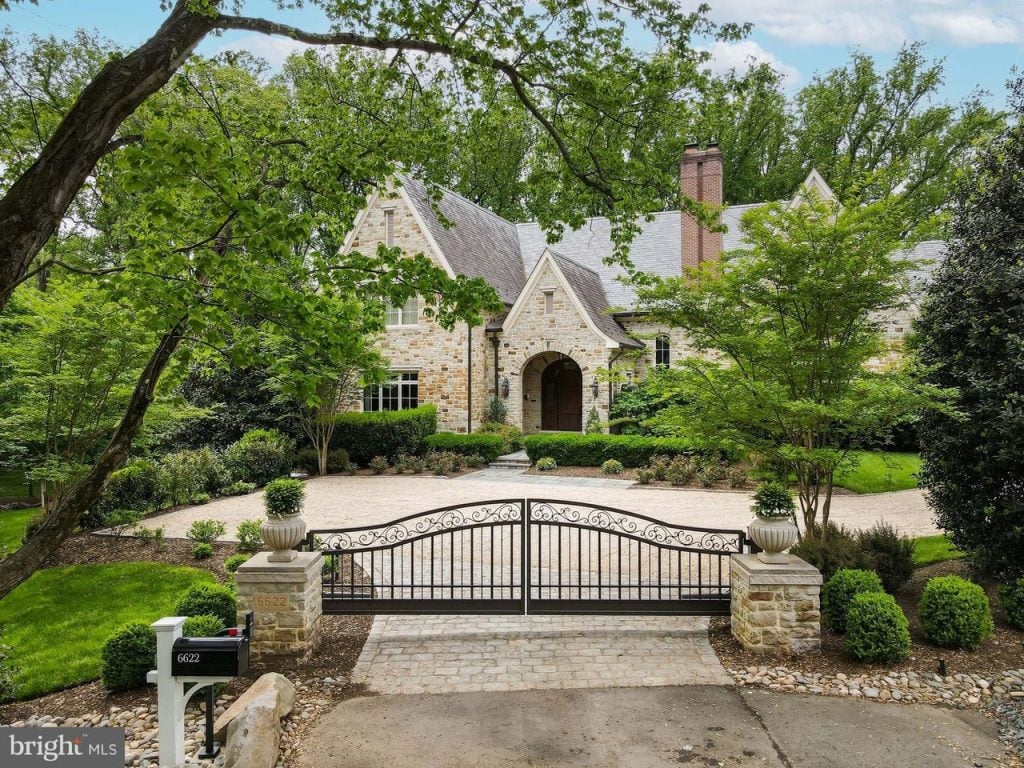
Langley area streetscape (placeholder)

Langley / Chain Bridge Road Estate lots

Leafy, quiet, and close to GW Parkway. Popular for privacy, proximity to DC, and access to scenic trails.
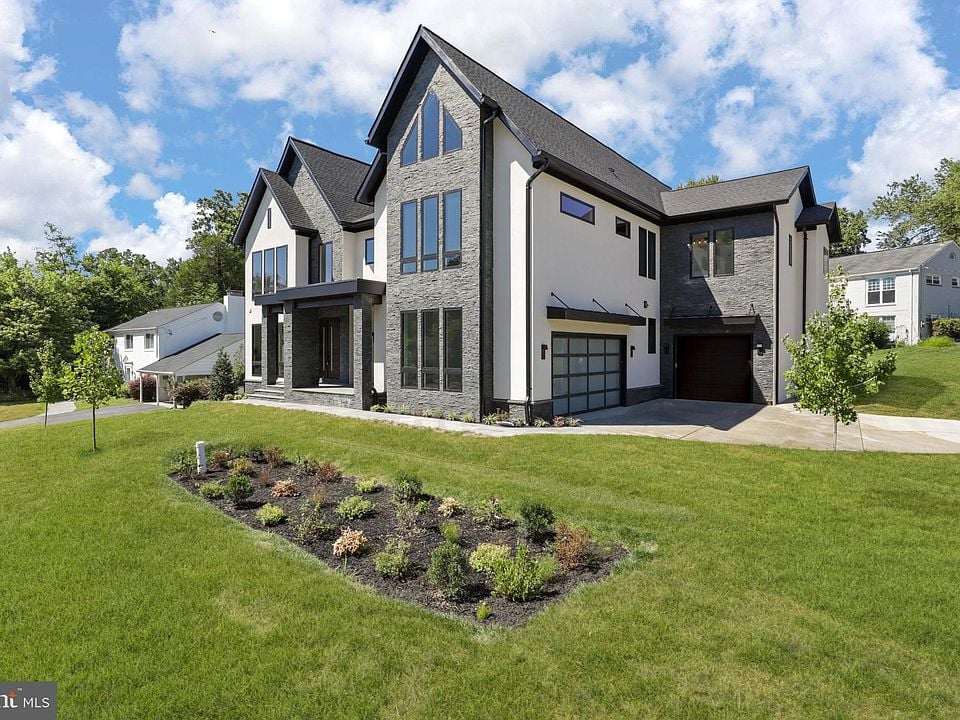
West McLean sidewalk scene (placeholder)

West McLean Convenience

Near central McLean shops and dining; mix of renovated ramblers and new builds. Sidewalk coverage is better here.
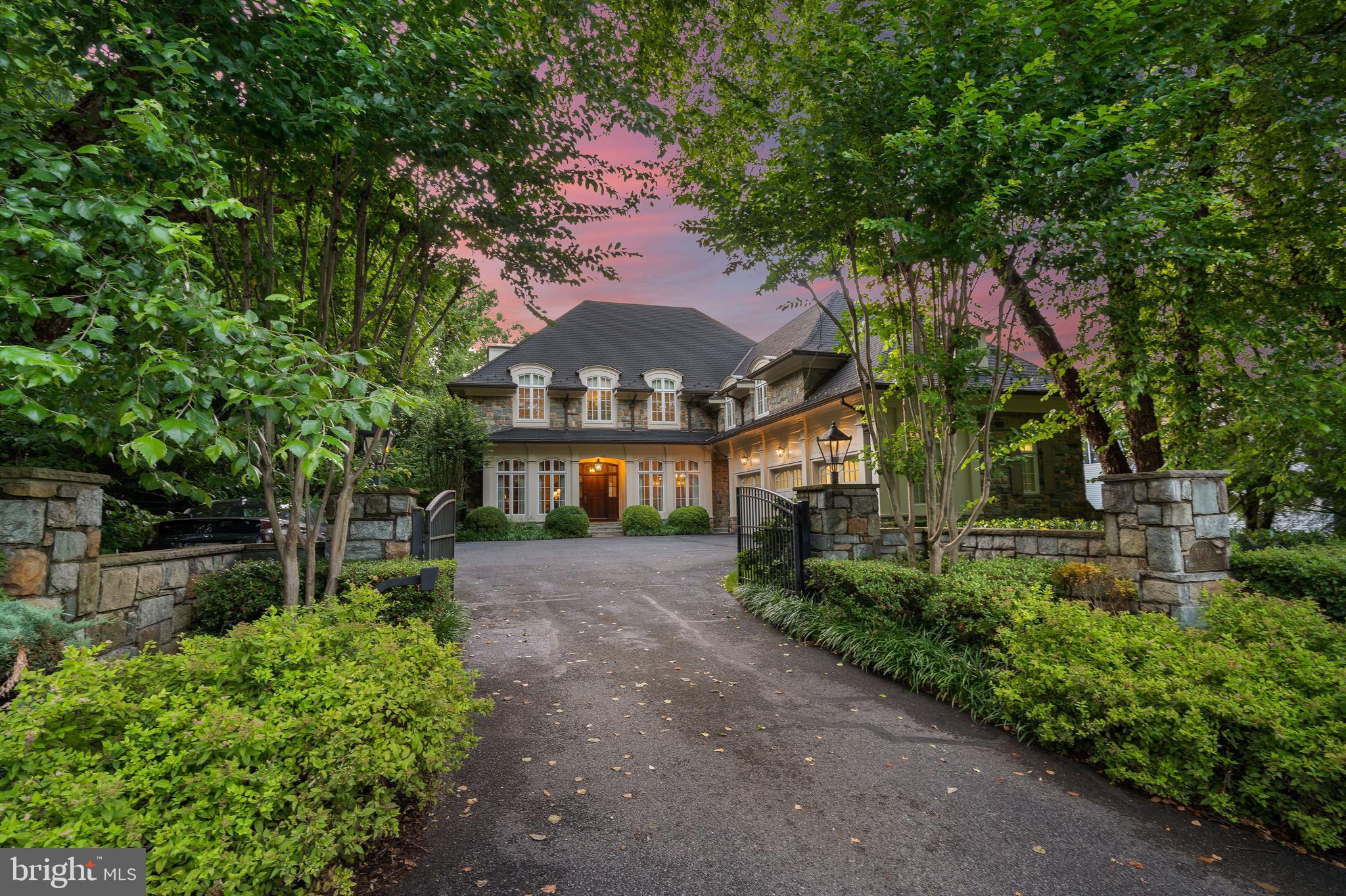
Salona Village home (placeholder)

Salona Village Walkable pockets

Coveted for proximity to downtown McLean and parks; premium for updated homes on larger lots.
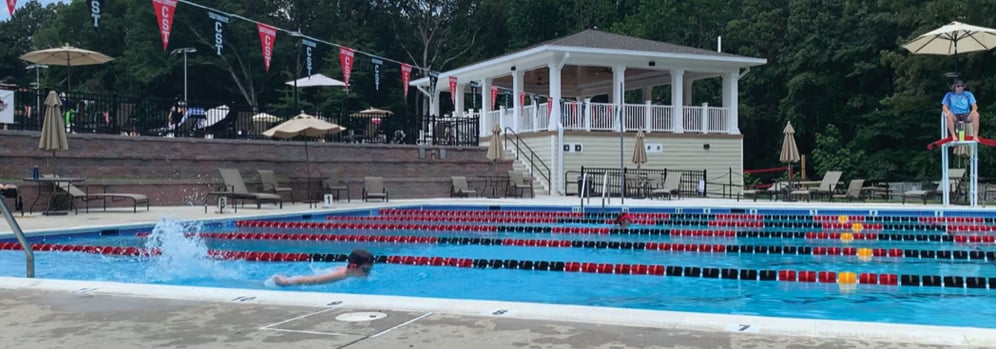
Lewinsville area (placeholder)

Lewinsville / Chesterbrook School focus

Streets with a neighborhood feel, strong school pyramids, a CLub and Pool, and quick access toward Tysons and Arlington.
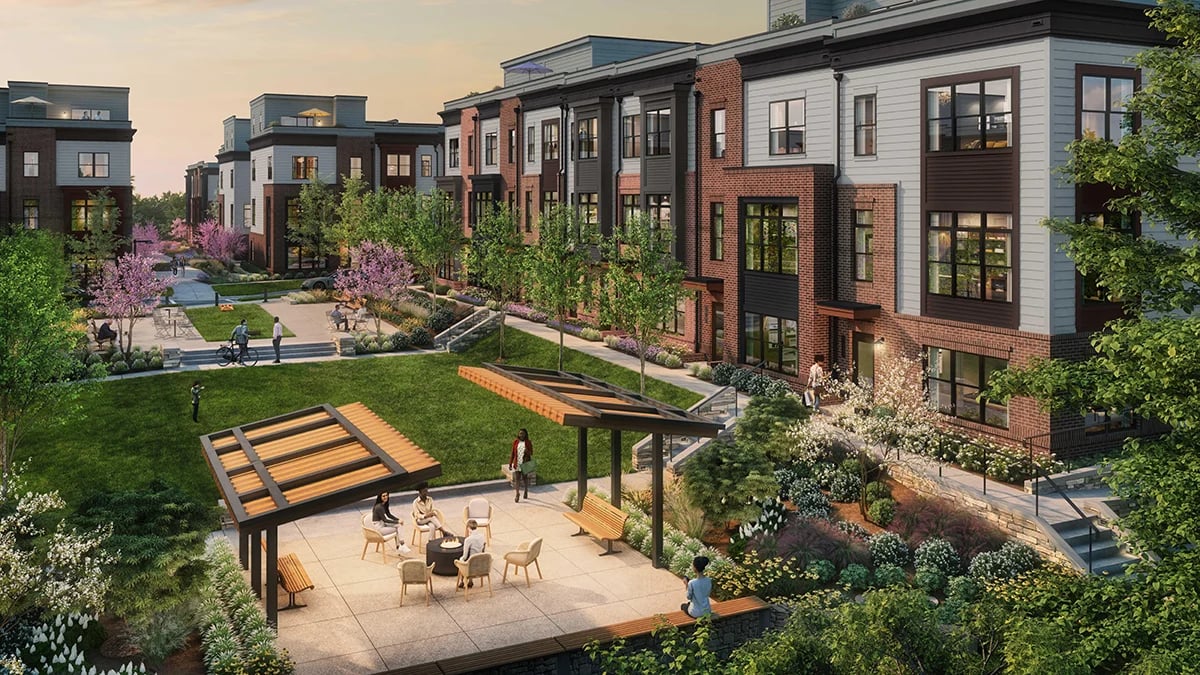
Tysons fringe townhomes (placeholder)

Tysons Fringe Urban access

Townhomes and newer builds within a short hop to Silver Line stations and luxury retail.
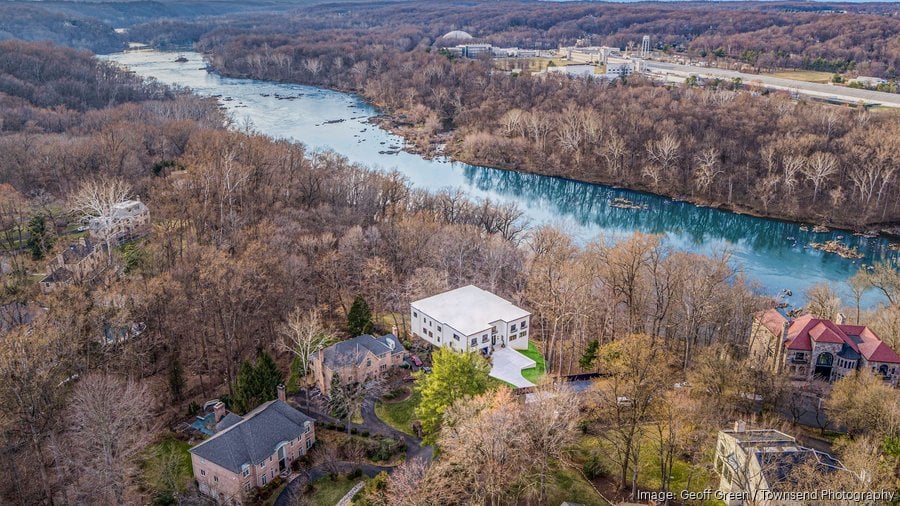
River Oaks area (placeholder)

River Oaks / Potomac side Scenic

Near Scott’s Run and the river; serene streets and a nature‑first vibe. Limited retail—by design.

Commute & transit

  • Fast routes off‑peak: GW Parkway to DC (Chain Bridge/Memorial Bridge), I‑495 to Maryland or Dulles tech corridor.
  • Metro (Silver Line): Stations at McLean, Tysons Corner, Greensboro, Spring Hill. Most McLean addresses are a short drive or bike away.
  • Peak tips: Depart before 7:15am or after 9:15am for DC‑bound trips; in the evening, watch Route 7/123 merges near Tysons.
  • Airport access: DCA via GW Parkway; IAD via Dulles Toll Road or I‑495 express lanes.
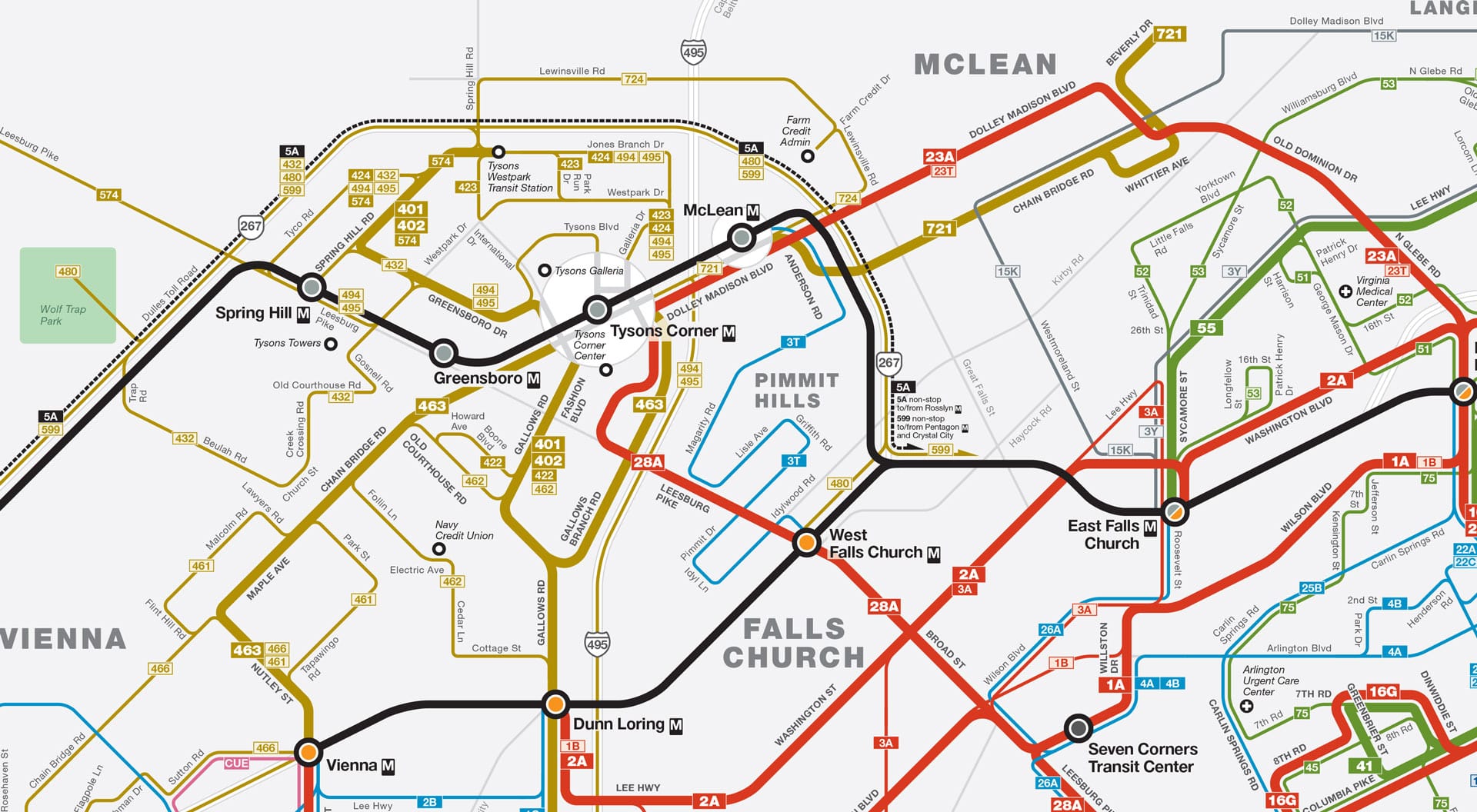
Simplified commute map: McLean to DC, Tysons, airports (placeholder)

Schools (public & private)

Many McLean neighborhoods feed into sought‑after Fairfax County Public Schools pyramids. Several respected private schools are within a 15–25 minute radius. Admissions and boundaries change—verify for your specific address.

Local check: Before you bid, plug the address into the FCPS boundary tool and call the school office to confirm future‑year assignments.

Lifestyle: dining, parks & weekends

  • Dining: Elevated options cluster in Tysons Galleria and along Route 123/7; downtown McLean offers neighborhood favorites and low‑key gems.
  • Parks & trails: Great Falls Park, Scott’s Run Nature Preserve, Clemyjontri Park, and Langley Oaks. Many streets back to parkland—ask about trail cut‑throughs.
  • Retail: Luxury shopping at Tysons Galleria; everyday errands in central McLean. Expect ongoing enhancements along the Tysons corridor.

Costs & housing types

McLean skews higher than neighboring markets due to land value and lot sizes. You’ll find:

  • Renovated 1960s–80s colonials and ramblers on established streets.
  • New‑build luxury homes and curated infill projects (tear‑downs common).
  • Townhomes and condos closer to Tysons for a lower‑maintenance lifestyle.
Buyer tip: Premiums track lot characteristics: usable rear yard, tree canopy, topography, and street quietness. Two similar homes can appraise differently based on these subtleties.

Agent tips (street‑level insights)

  • Mind the cut‑throughs. Some streets feel busier during school drop‑off/commute windows; tour at those exact times.
  • Test your commute. Drive your actual route at your actual hours before you write.
  • Inspect the trees. Mature canopy is a signature here—evaluate health, root systems, and drainage around the foundation.
  • Plan for permits. Renovations and tear‑downs are common; build in time for Fairfax County reviews.
  • Sidewalks & safety. If walkability is key, shortlist West McLean/Salona pockets and verify sidewalk continuity on your block.

FAQs

Is McLean good for commuters?

Yes—especially if you leverage the GW Parkway and avoid peak bottlenecks. Silver Line stations nearby add flexibility.

How competitive is the market?

Turn‑key properties in prime pockets move quickly. Pre‑inspection, strong terms, and flexible post‑occupancy can help.

Which areas are most walkable?

Look around downtown McLean, West McLean, and select pockets near schools and parks. Tysons‑fringe townhomes are walkable to retail and Metro.

Michael Falcone headshot placeholder small

Thinking about McLean?

I tour these streets weekly and track off‑market inventory. Let’s refine your shortlist by commute, school path, and street‑level quiet.
Primary logo placeholder Secondary logo placeholder
© Michael Falcone • All rights reserved • Privacy

Work With Michael

Contact Michael today to learn more about his unique approach to real estate, and how he can help you get the results you deserve.

Follow Me on Instagram