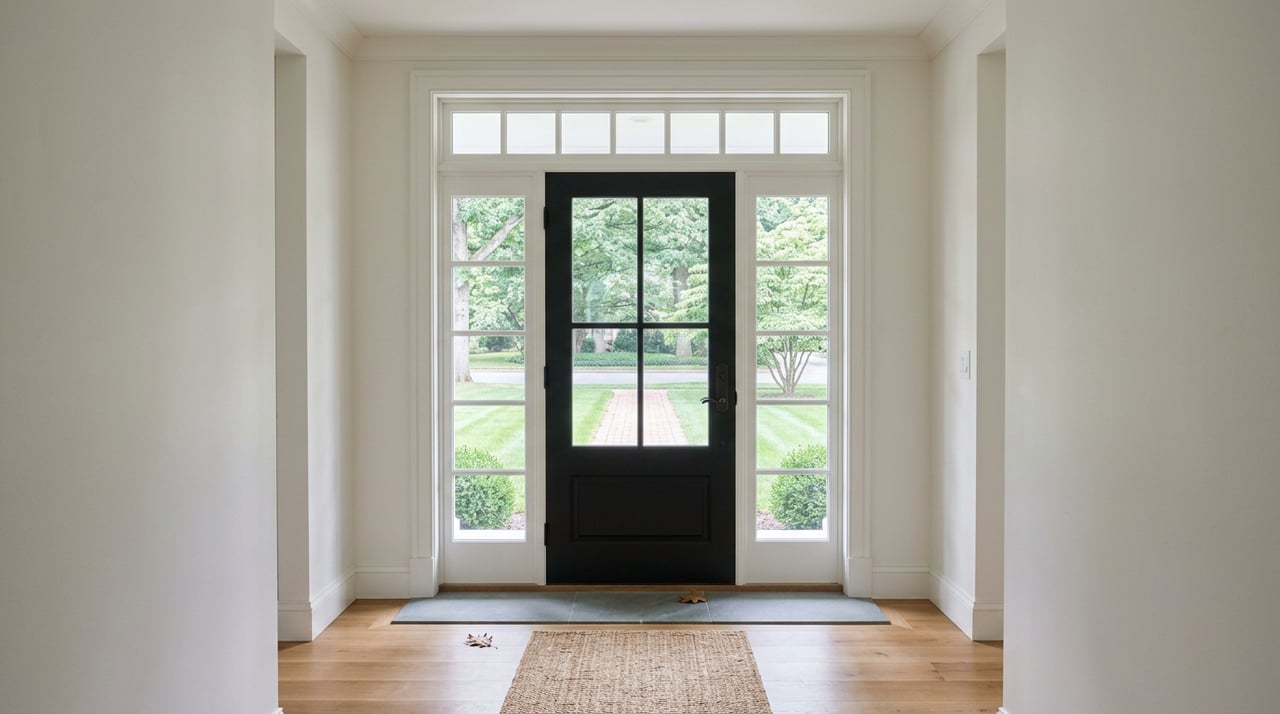
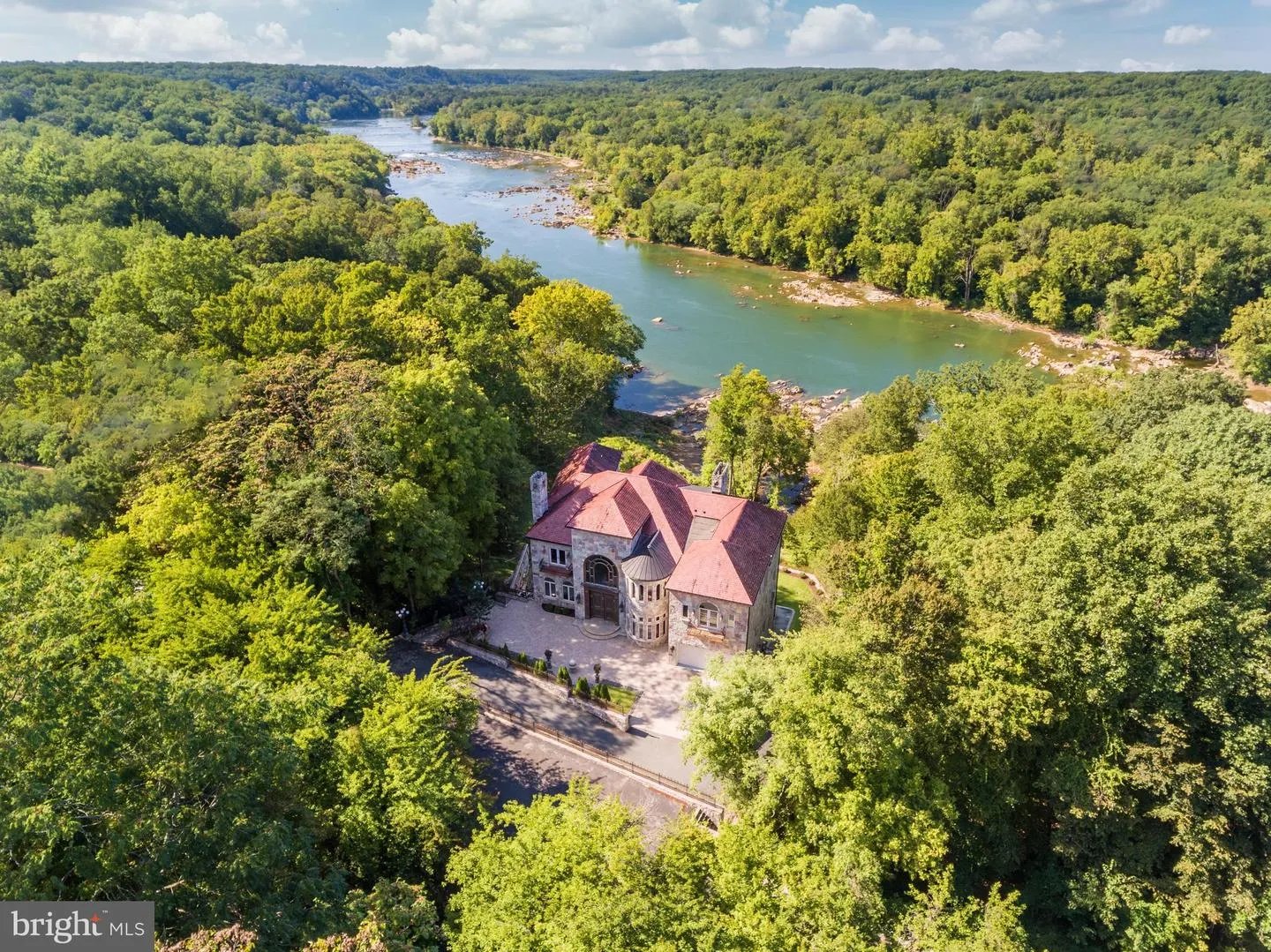
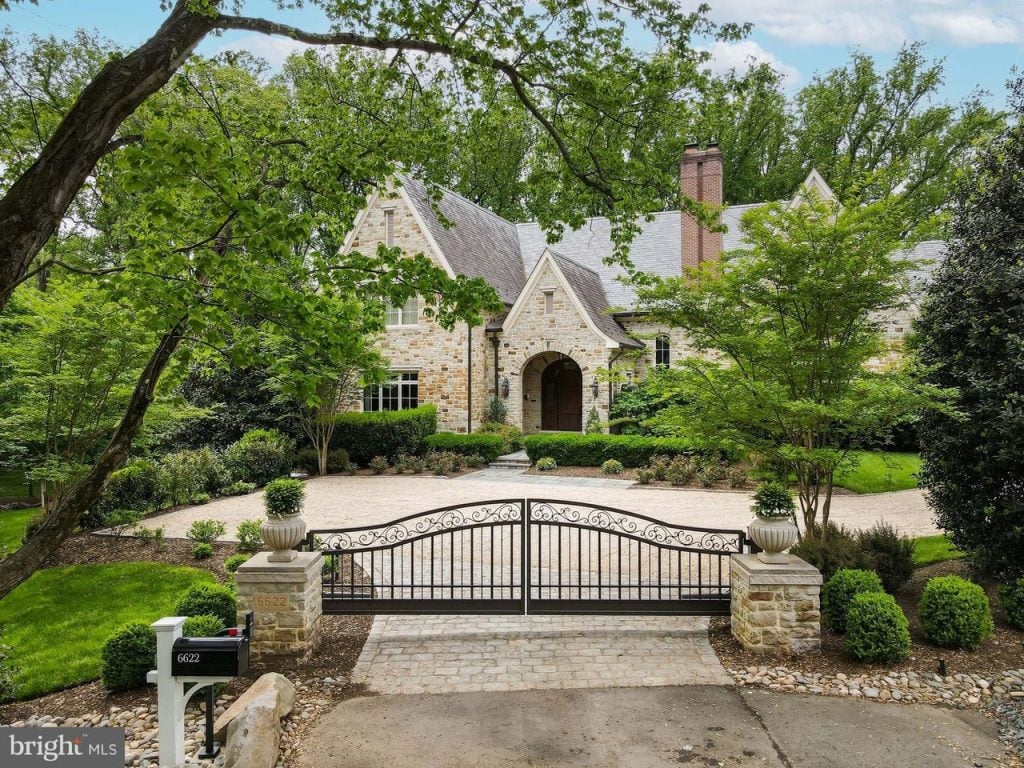
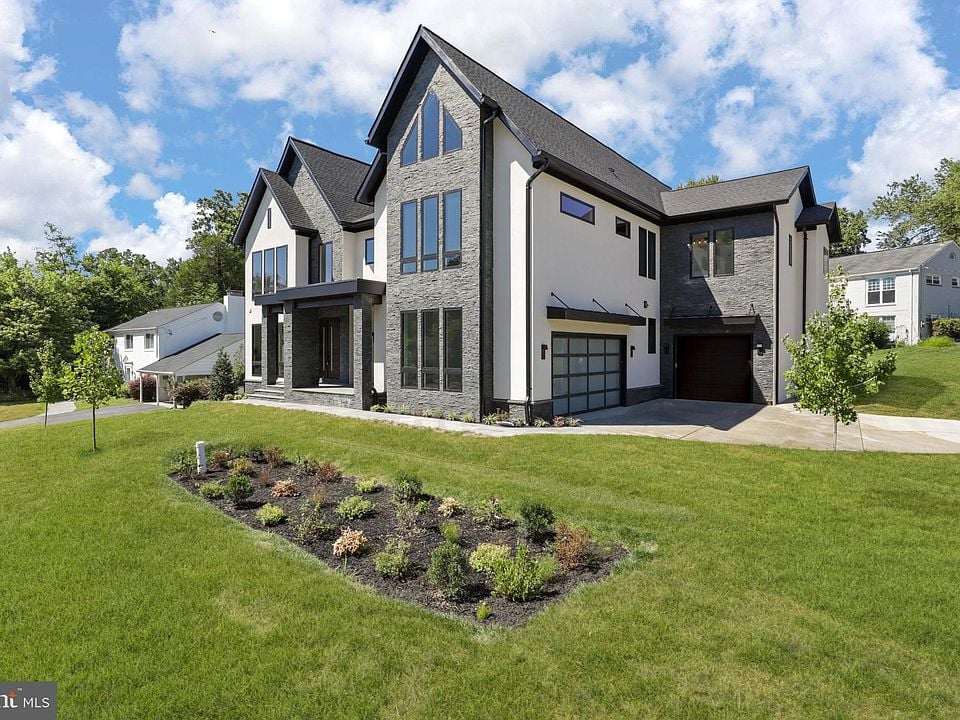
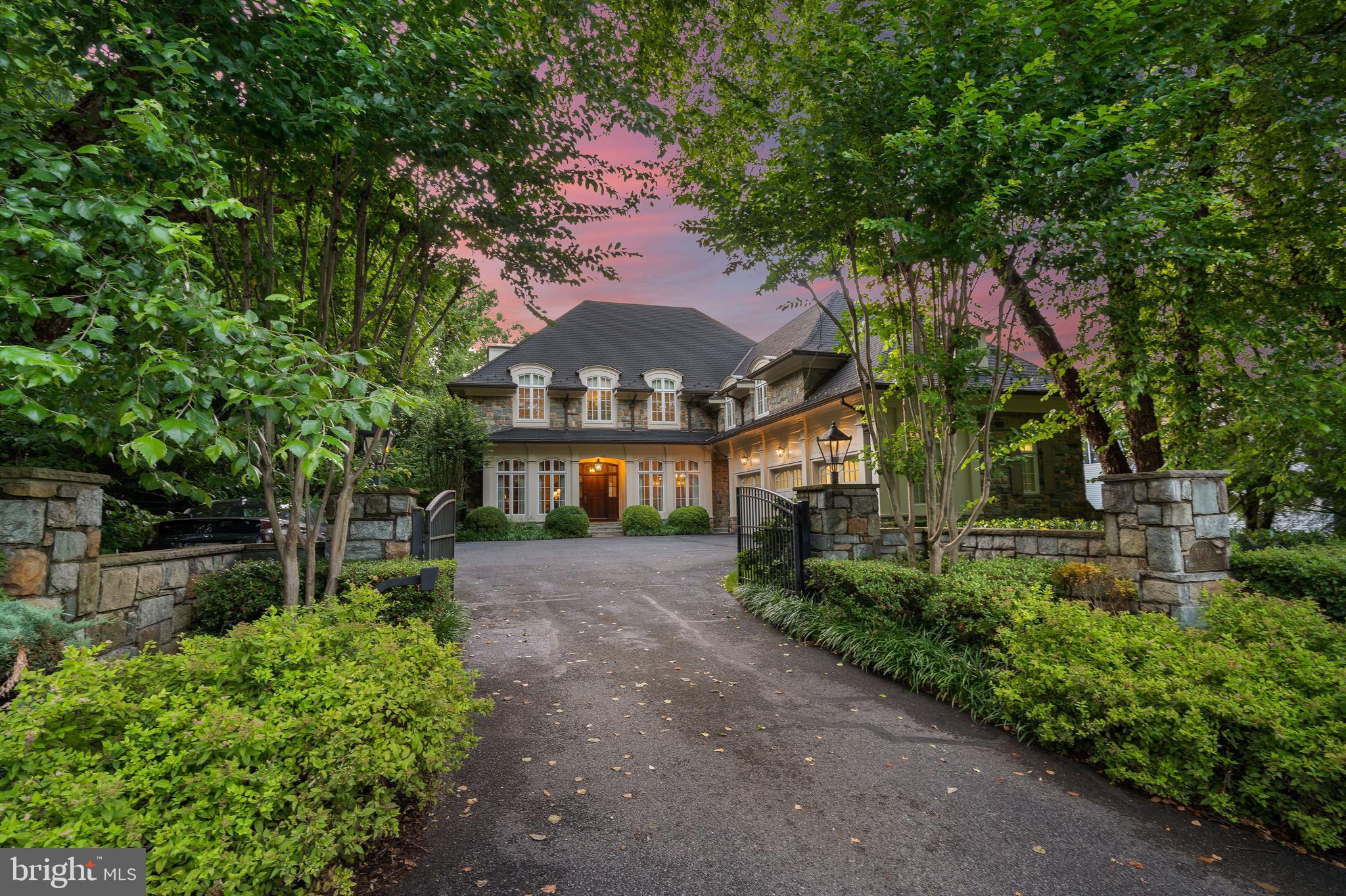
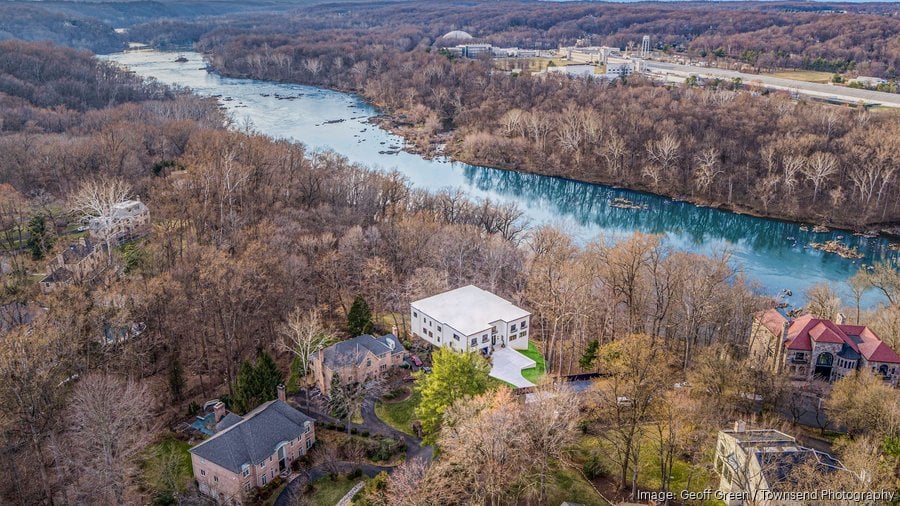
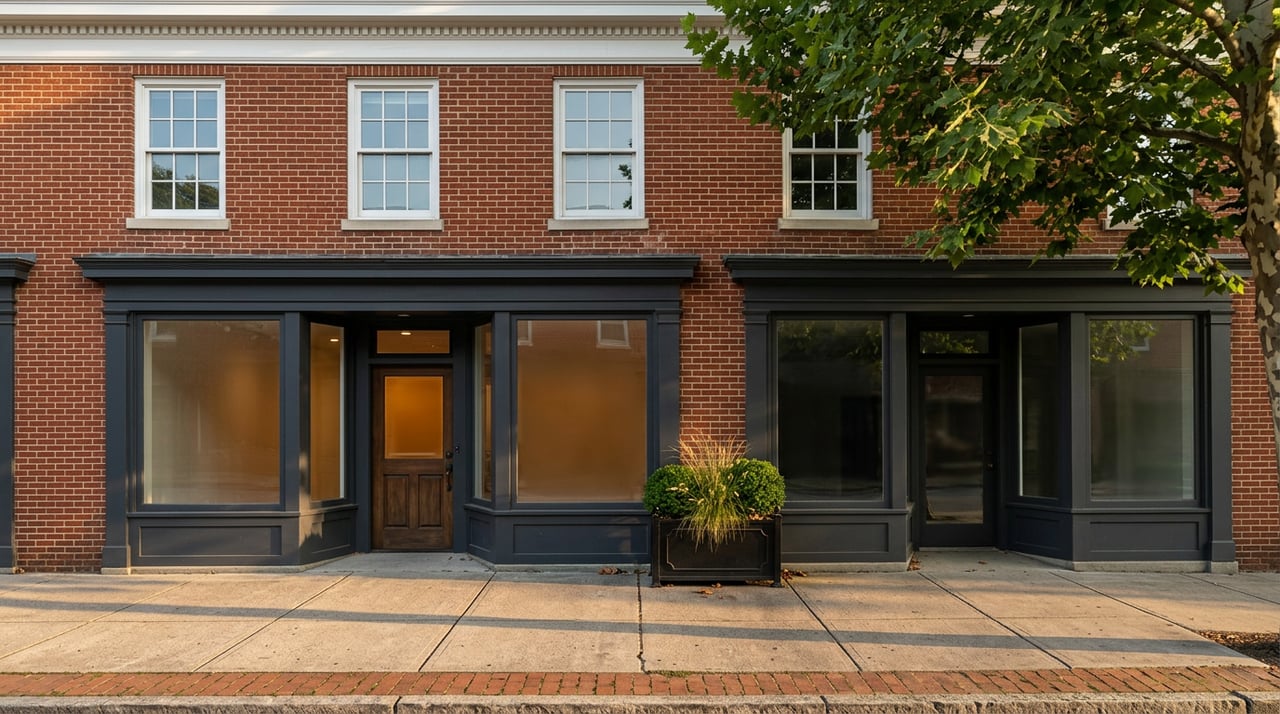
Two homes sit four blocks apart. Both say Falls Church, VA on the tax bill and the mailbox. One sold in the first half of 2026 for a per-square-foot number that leads the entire Mid-Atlantic. The other sold for roughly two-thirds of that, on a comparable floor plan and lot. Nothing about the buildings explains the gap.
The gap is jurisdictional. And if you tour Falls Church without decoding which side of the line an address falls on before you fall for the kitchen, you are pricing the wrong asset.
The Line That Runs Between Two Houses on the Same Postal Route
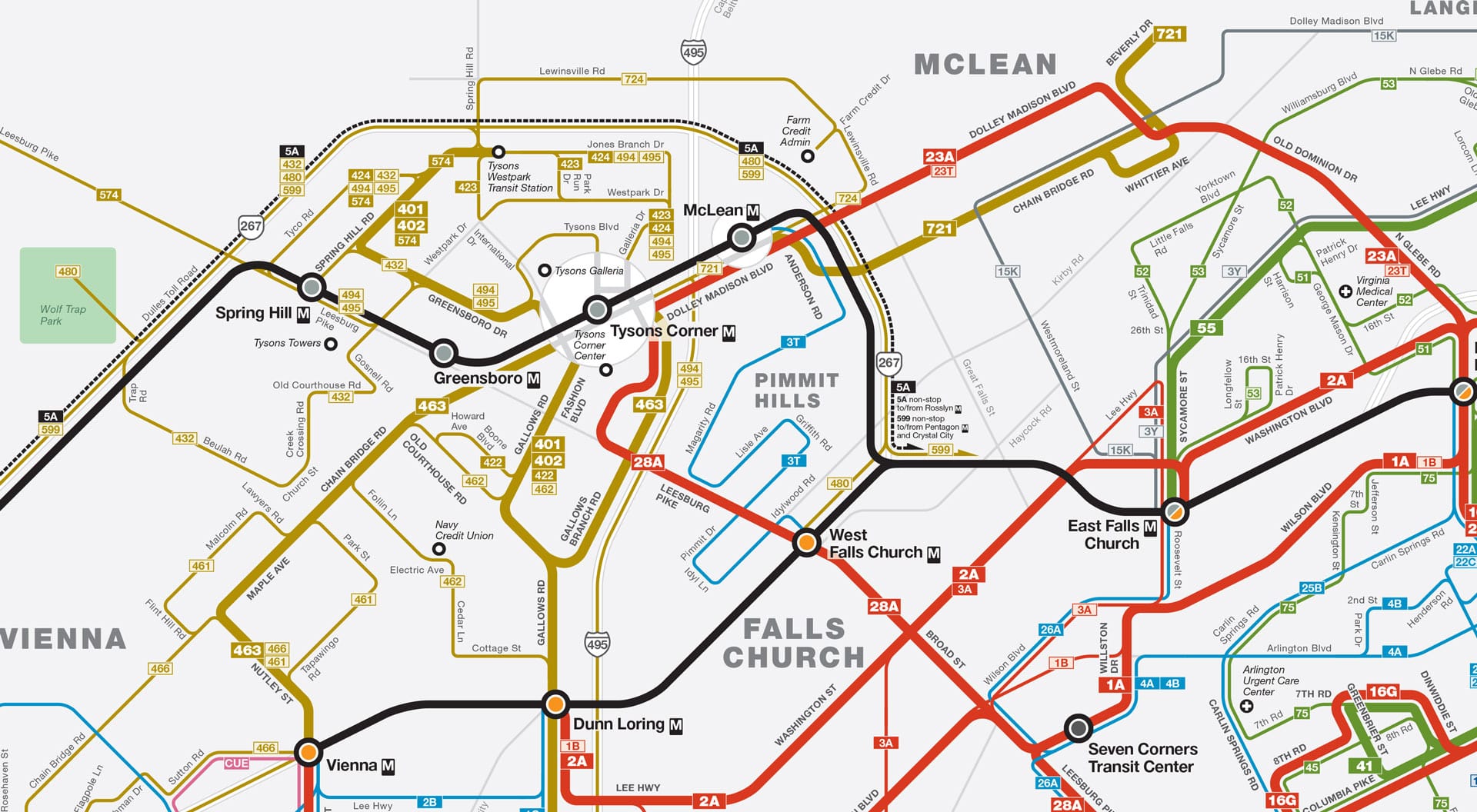
The City of Falls Church is an independent Virginia city of about 2.2 square miles and roughly 16,000 residents. It operates its own government, its own school district, its own sanitary sewer utility, and its own real estate assessor. Surrounding it on three sides is Fairfax County, which also mails a lot of "Falls Church, VA" envelopes. According to the City's own Address Finder, the primary in-city ZIP is 22046, with a small number of parcels in 22042, 22044, and 22205, while much larger populations in Pimmit Hills, Sleepy Hollow, Lake Barcroft, Broadmont, Holmes Run Acres, Virginia Forest, Jefferson Village, Seven Corners, Bailey's Crossroads, and Merrifield share the Falls Church mailing address but live under Fairfax County governance.
The practical shortcut: most residential addresses inside the City carry only three digits. Most addresses numbered 1400 and above sit outside the City, and anything on Leesburg Pike, Route 50 / Arlington Boulevard, Lee Highway, or Route 29 is almost certainly Fairfax County. The City's Address Finder is the definitive check, and it is the first tool a buyer should open before requesting a tour.
That two-mile boundary is what the market is repricing every time a listing hits.
What the Boundary Is Worth on Paper
| Item |
City of Falls Church |
Fairfax County (Falls Church address) |
| Real estate tax rate, FY2026 |
$1.185 per $100 assessed |
$1.1225 per $100 assessed |
| Schools |
Falls Church City Public Schools |
Fairfax County Public Schools |
| Meals tax |
4% (established) |
New county food & beverage tax effective January 1, 2026 |
| Sewer utility |
City sanitary sewer, City billing |
Fairfax County sewer where available, private septic in some pockets |
| Permits |
City of Falls Church Permits Counter |
Fairfax County Department of Land Development Services |
| Primary in-city ZIP |
22046 |
22041, 22042, 22043, 22044 |
The City rate for the fiscal year that began July 1, 2025 came down a quarter of a cent from the prior year's $1.210, per the City's FY2026 budget documentation. Fairfax County's FY2026 rate of $1.1225 per $100, unchanged from FY2025, produces a projected typical residential annual bill of $8,915.29 on the county's average assessed value, according to the FY2026 Adopted Budget Overview.
On a $1 million assessment, the raw rate delta works out to roughly $625 a year. That is not the interesting number. The interesting number is what the market is willing to pay to sit on the City side of that line even after paying the higher rate.
The First Half of 2026 Made the Premium Visible
ARLnow's July 14, 2026 report on Northern Virginia sales through June had Falls Church City topping the Mid-Atlantic region on both metrics that matter for a comparison shop: median sales price of $1,015,000 for H1 2026, up about 2%, and a per-square-foot sales price of $530 that leads the region and factors out the mix between detached homes, townhomes, and condos. Arlington came in next at a $806,000 median. Sales volume inside the City rose to 99 closings for the first half of 2026 from 83 the year before, which is a meaningful uptick in an inventory pool the Jamil Brothers' 2026 selling guide pegs at roughly 6,000 total housing units across the entire City footprint.
Fairfax County, taken as a whole, sat near an $813,000 median in spring 2026. The broader Falls Church mailing area inside the County saw price growth around 6% in calendar 2025, a faster rate of change than the City itself, which had already been recalibrating after several years of aggressive gains.
Read together, the H1 2026 data says something buyers rarely hear stated cleanly: the City is not appreciating faster than the County side. The premium is stable, not expanding. What buyers are paying for is the level, not the trajectory. Whether that premium is worth it is a question about the specific line items the boundary controls.
The Friction That Only Shows Up After You Are Under Contract
Most out-of-area buyers price the tax rate and the school assignment. The items below are the ones that surprise people at the settlement table or three weeks after move-in.
- Sewer billing entity changes at the line. Parcels inside the City are on the City's sanitary sewer system, billed by the City. Parcels on the County side are served by Fairfax County sewer where available, and some older pockets still rely on private septic. Ask for twelve months of actual bills, and confirm the billing authority against the property address in the City's Address Finder before removing contingencies.
- Water is Fairfax Water almost everywhere, but billing arrangements vary. Confirm which entity issues the bill for the specific parcel, in writing, rather than assuming continuity from your last home.
- Permit office follows the parcel, not the mailing address. A basement finish, a deck expansion, or a rebuild inside the City goes through the City of Falls Church permits counter at 300 Park Avenue. The identical project on a Pimmit Hills or Sleepy Hollow parcel goes through Fairfax County. Fee schedules, timelines, and inspector rotations differ.
- Tax proration cycles differ. Fairfax County bills real estate tax in two installments due July 28 and December 5. The City runs its own schedule. When your closing lands, the prorated credit at settlement depends on which authority sent the most recent bill and which cycle it covered. Ask your title company to show the proration math on both sides for any deal that closes near an installment date.
- Fairfax County's new food and beverage tax, effective January 1, 2026, does not apply inside the City of Falls Church, the City of Fairfax, Vienna, Herndon, or Clifton. That does not change your closing statement, but it changes the effective cost of eating at a West Broad restaurant versus a Seven Corners restaurant, and it is a small but real reason the City's dining corridor has retained pricing power.
- Assessments move on separate calendars. Fairfax County notices go out in mid-February, and the average residential assessment rose 3.99% for 2026 per the Department of Tax Administration. The City assesses on its own timeline through the City's Real Estate Assessment Office. A buyer looking at last year's tax bill on a listing sheet is looking at a lagging number on either side of the line.
None of these items is exotic. All of them turn into a phone call, an escrow adjustment, or a rewritten scope of work if they are handled at contract instead of before offer.
What the Premium Actually Buys, Line by Line
Inside the City, the feeder pattern runs through Mt. Daniel and Thomas Jefferson Elementary, Mary Ellen Henderson Middle, and Meridian High School, all operated by Falls Church City Public Schools. On the County side, the same mailing address feeds into Fairfax County Public Schools, one of the largest districts in the country, with school assignment determined by parcel rather than ZIP. Buyers who care about the specific district should confirm boundaries at both jurisdictions' locators for any address on their shortlist, since boundaries can shift.
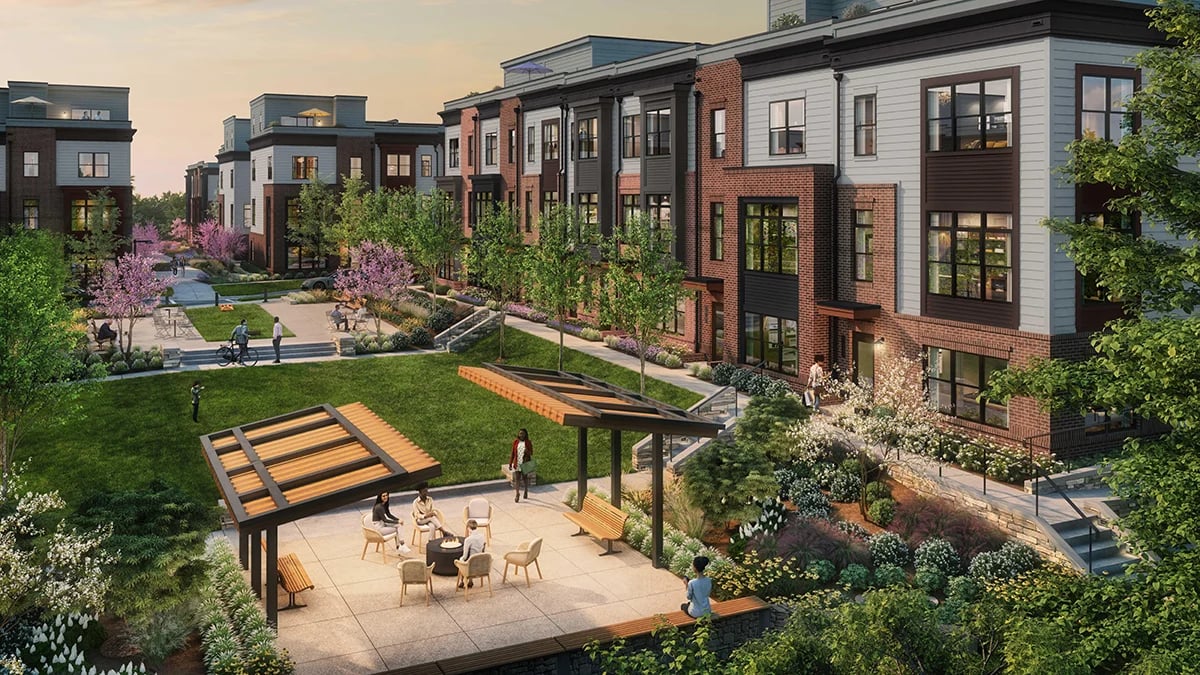
Walkability is the other line item. The City's compact geometry concentrates its dining, retail, and civic uses along West Broad Street inside a footprint you can cross on foot, and it feeds directly into the W&OD Trail. The County-side neighborhoods that share the address are lower density with larger lots and a car-first daily pattern, and their transit anchors are the East Falls Church station on the Orange and Silver lines at the Arlington border, and West Falls Church station on the Orange line on the County side of Haycock Road.
Inventory is the mechanism buyers underweight. With roughly 6,000 total housing units in the City and 99 sales in the first half of 2026, the City turns over a small number of detached homes each month. In a market that thin, one well-prepared listing sets the comp for the next three. On the County side, the comparable inventory pool is an order of magnitude larger and the pricing signal is proportionally noisier.
That thinness is the reason the City's per-square-foot number can lead the region while the year-over-year appreciation rate does not. Scarcity plus small-sample volatility, not runaway demand, is what the H1 2026 data is describing.
The Read for a Buyer Comparing Neighborhoods Right Now
If your budget lands inside the City median at just above $1 million, the boundary is doing most of the work in your monthly cost. Same square footage on the County side buys more house, a larger lot, and a lower tax bill, at the cost of the FCCPS feeder pattern, City walkability, and the sales-comp thinness that has protected City resale values through several rate cycles.
If your budget is below the City median but the "Falls Church" address is a hard requirement, the County-side neighborhoods carrying the mailing address, particularly Pimmit Hills, Holmes Run Acres, Broadmont, and Virginia Forest, are where the arithmetic works. Just price them as Fairfax County homes with a Falls Church mailing convenience, not as discount versions of the City.
The one move that consistently costs buyers money is treating the two markets as one because the envelopes look identical.
FAQ
Does a Falls Church mailing address guarantee Falls Church City Public Schools?
No. School assignment follows the parcel's actual jurisdiction, not the postal city. A large share of homes with a Falls Church mailing address feed into Fairfax County Public Schools instead.
How do I confirm which side of the line an address is on?
Use the City of Falls Church Address Finder at fallschurchva.gov and cross-check with the Fairfax County Parcel Viewer. Do this before you tour, not after you write.
Does the January 2026 Fairfax County meals tax apply to restaurants in the City?
It does not. City-limits restaurants operate under the City's own 4% meals tax, unchanged by the County ordinance.
Is the City's price premium expanding?
Not through the first half of 2026. The City's median rose about 2% year over year while the County-side Falls Church area posted higher rate-of-change numbers in 2025. The premium is a level, not a trend.
If you are weighing an offer on either side of the City line, or want a parcel-by-parcel read on how the boundary changes your monthly cost, Falcone Real can walk you through the tax math, the comp thinness, and the permit and utility questions before you write. Request a consultation and bring the address you're considering.