If you picture acreage living in Great Falls as endless privacy with none of the work, it helps to pause and look a little closer. Larger lots here can offer room, quiet, and a strong connection to nature, but they also come with systems, land constraints, and daily routines that buyers need to understand before they fall in love with the idea. If you are considering a move to Great Falls, this guide will help you weigh the lifestyle, the upkeep, and the key questions to ask before you buy. Let’s dive in.
Why Great Falls Acreage Appeals
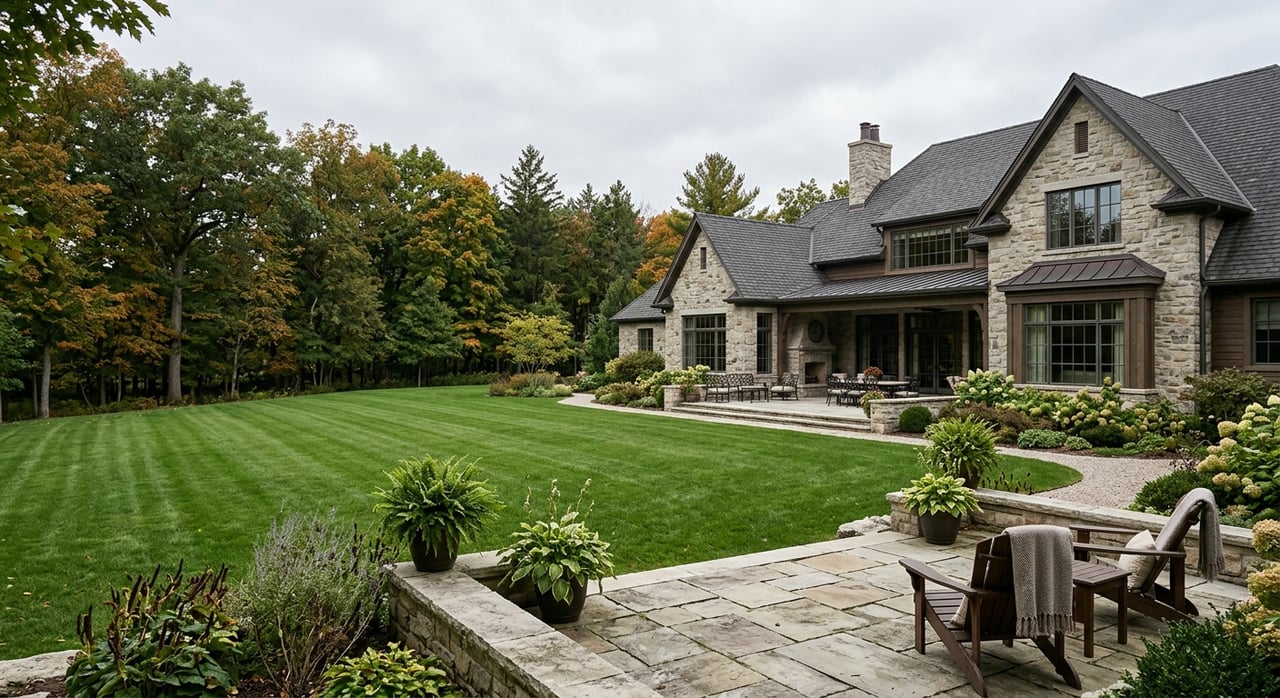
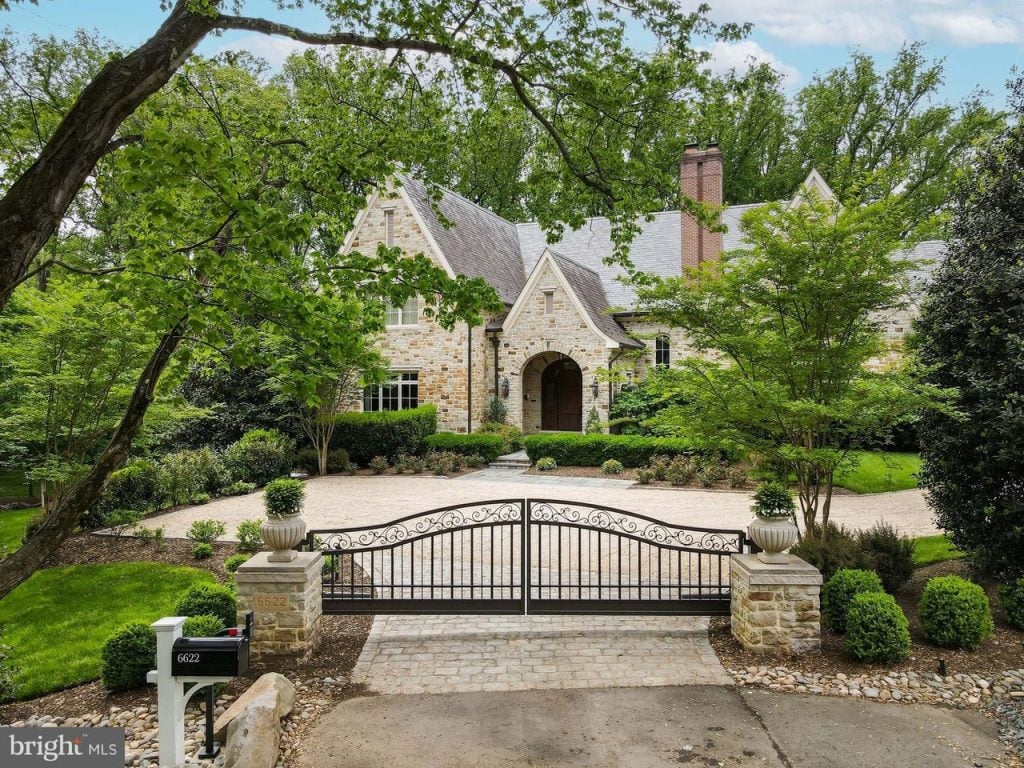
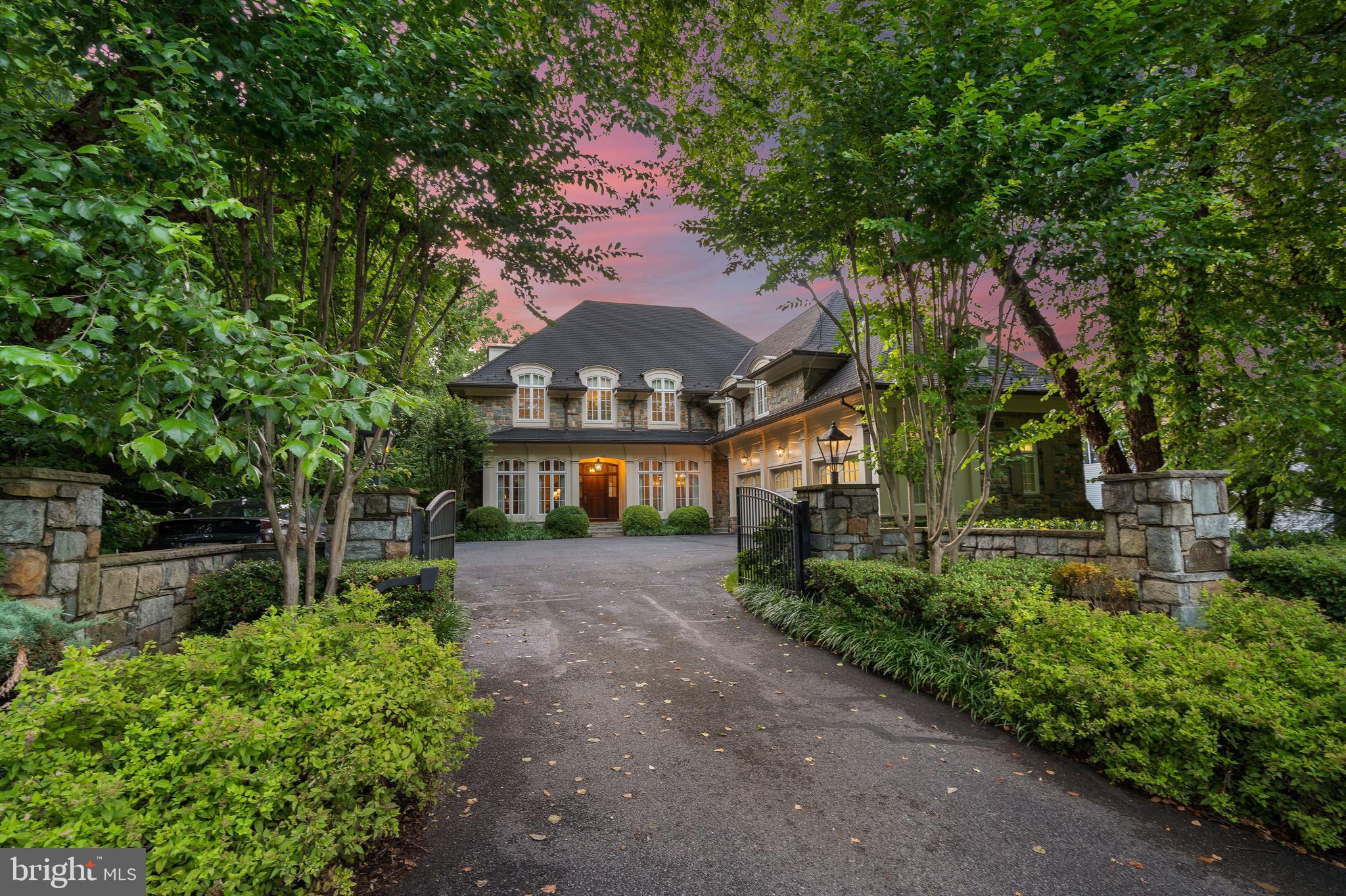
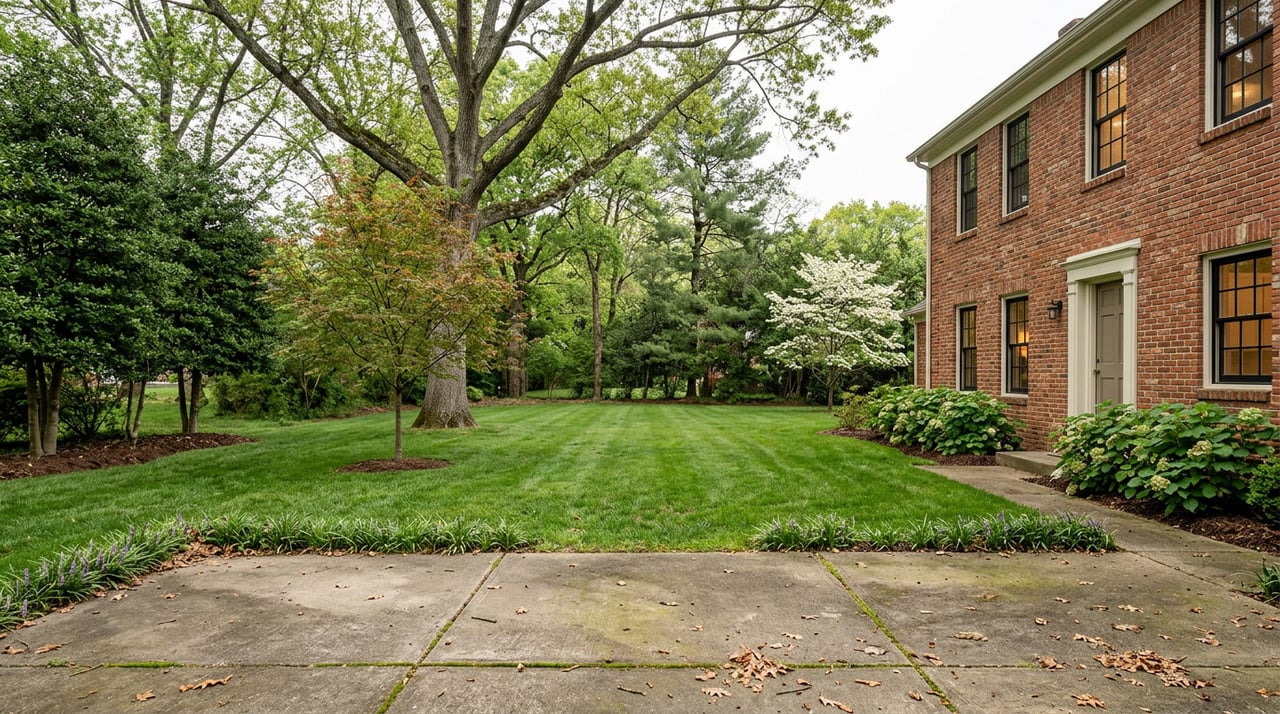
Great Falls has a distinct identity within Fairfax County. County planning guidance describes parts of the area as rural or very low-density, with large-lot residential development, open space, and in some places planned densities as low as one home per two acres or one home per five acres.
That low-density pattern is a big part of the draw. If you want more separation between homes, more private outdoor space, and a setting that still feels tied to the Washington metro area, Great Falls stands out.
The area also carries visible reminders of its agricultural past. Fairfax County notes that Great Falls Grange remains an important historic site and a connection to the county’s dairy-farming era, which helps explain why the area still feels different from more compact suburban communities nearby.
What Daily Life Really Feels Like
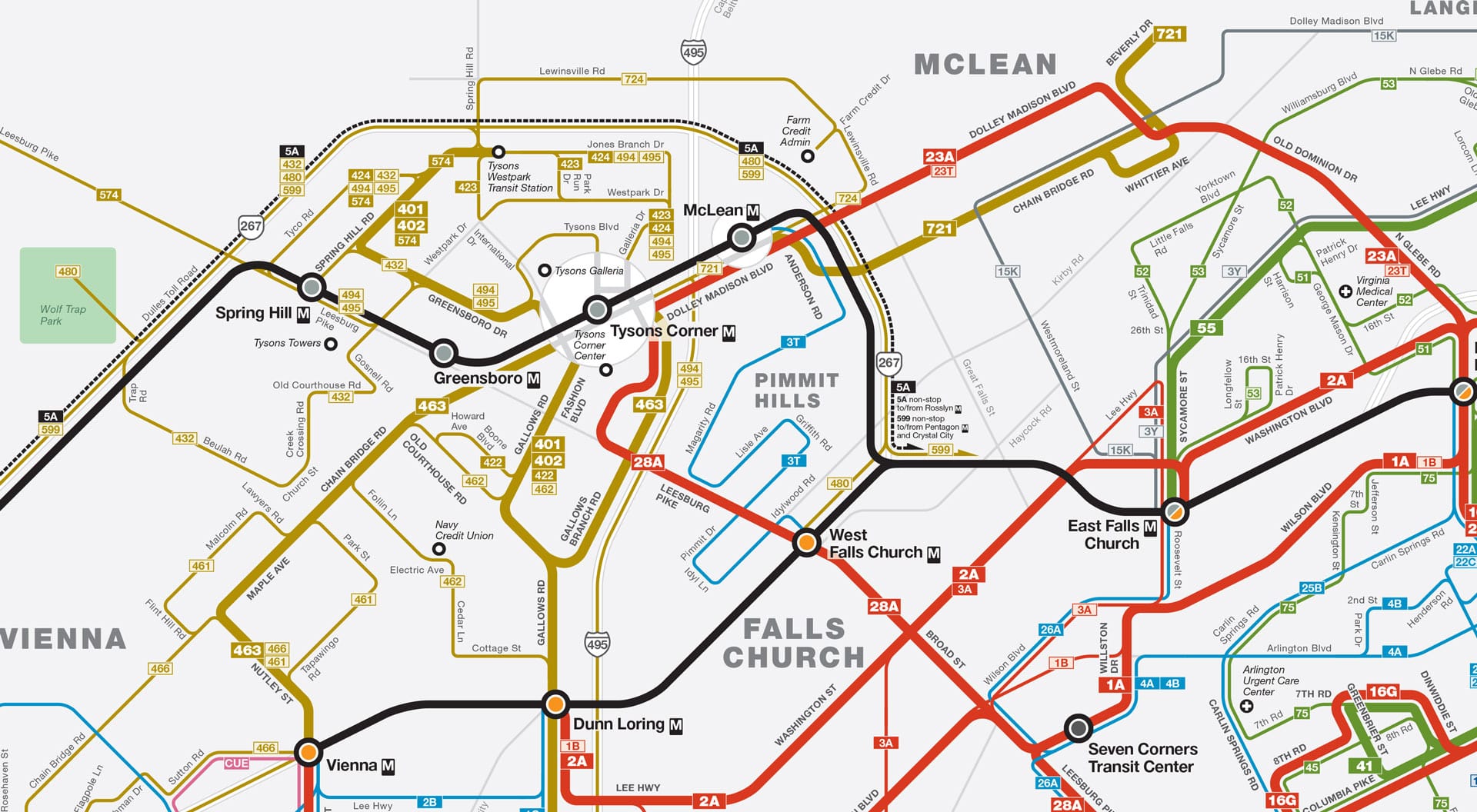
Acreage living in Great Falls is not the same as living in a walkable town center. While there are some local-serving commercial uses, Fairfax County planning guidance points residents toward nearby service hubs like Reston, Herndon, Tysons Corner, and Vienna for broader day-to-day errands.
That means your routine is likely to be car-oriented. If you are moving from a neighborhood where quick walks to shops or services are part of daily life, this is an important lifestyle adjustment to think through.
Road access matters in other ways too. The National Park Service notes that biking to Great Falls Park via Georgetown Pike and Old Dominion Drive is not recommended because those roads are narrow, two-lane, and lack shoulders or bike paths.
More Land Means More Responsibility
One of the biggest differences with acreage properties is that the home may rely on private systems rather than public utilities. Fairfax County says homeowners with private wells are responsible for their water safety and should test well water annually for bacteriological and chemical contaminants.
Wastewater can require hands-on attention too. Fairfax County states that septic tanks generally must be pumped at least once every five years when the system falls under the county’s onsite-sewage rules.
The Virginia Department of Health adds another layer of buyer diligence. If a home has an onsite sewage system, you should verify the system type, operation permits, and any ongoing maintenance obligations before closing.
In practical terms, acreage ownership often asks more of you after move-in. You are not just buying square footage and land. You are often taking responsibility for the systems that make the property function day to day.
Land Features Matter More Than You Think
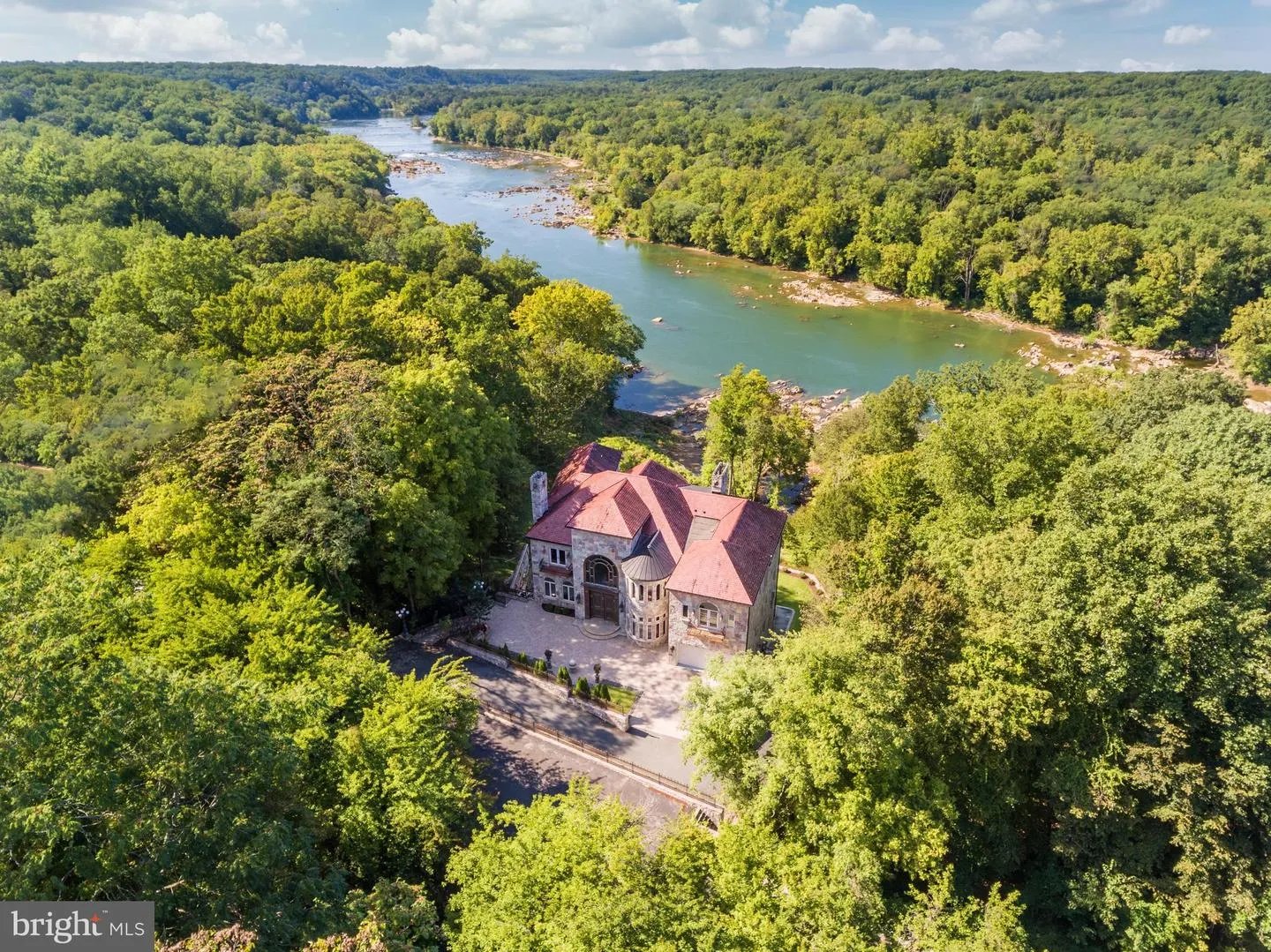
A beautiful lot can be more complex than it first appears. Fairfax County’s comprehensive planning guidance for the riverfront area emphasizes preserving natural drainage, topography, view sheds, steep slopes, stream valleys, historic resources, and desirable vegetation.
For you as a buyer, that means the land itself deserves close review. Grading, drainage, wooded buffers, easements, and protected areas can all affect what you can do with the property over time.
A yard that looks wide open on a listing photo may not be fully flexible in practice. Before you assume you can add structures, reshape outdoor spaces, or clear vegetation, it is smart to confirm what restrictions or site conditions apply.
Buyer Diligence That Deserves Extra Attention
When you tour acreage homes in Great Falls, it helps to move beyond the house and evaluate the whole property. Some of the most important questions are not obvious from a quick showing.
Focus on these checks early in the process:
- Confirm whether the property is on public water and sewer or on private well and septic.
- Ask for information about well testing, septic maintenance, and any permits tied to onsite systems.
- Review drainage patterns, tree coverage, and any stream-valley or conservation easements.
- Look at driveway access, especially if the home uses a shared driveway or sits on a narrow local road.
- Consider whether proximity to parks or trails may affect privacy, traffic, or weekend activity.
These details may not change whether you love the home, but they can change how the property lives and what it costs to maintain.
Equestrian and Hobby Uses Need Verification
Many buyers are drawn to Great Falls because acreage can create room for horses or other hobby uses. That can be a real advantage here, but it is not automatic.
Fairfax County allows livestock and domestic fowl only on lots of at least two acres, and the county counts horses by animal units. Chickens and other fowl also come with lot-size and density rules.
That means lot size alone is not enough. You also need to verify the permitted use, any rules around barns, pens, coops, or similar structures, and whether placement limits apply.
There is also a second layer to check. Fairfax County’s Soil and Water Conservation District notes that homeowners’ associations may prohibit chickens even when county rules allow them.
If hobby farming or horse keeping is part of your vision, this is an area where assumptions can get expensive. The right property can support your goals, but only if the land, zoning, and any HOA rules line up.
Great Falls Has Real Equestrian Access
For buyers interested in riding, Great Falls offers meaningful local resources. Fairfax County’s Park Authority says The Turner Farm includes nearly 40 acres of fenced open fields for general riding.
Great Falls Park also includes about ten miles of multi-use trails open to horseback riding, and visitors must bring their own horses. Beyond that, Fairfax County notes that Riverbend Park and The Turner Farm are part of the county’s broader equestrian trail network.
At the same time, trail conditions can vary. The county says some local bridle paths may be overgrown or muddy in wet weather, which is worth remembering if year-round riding access is high on your list.
Recreation Is a Major Benefit, but Also a Shared Reality
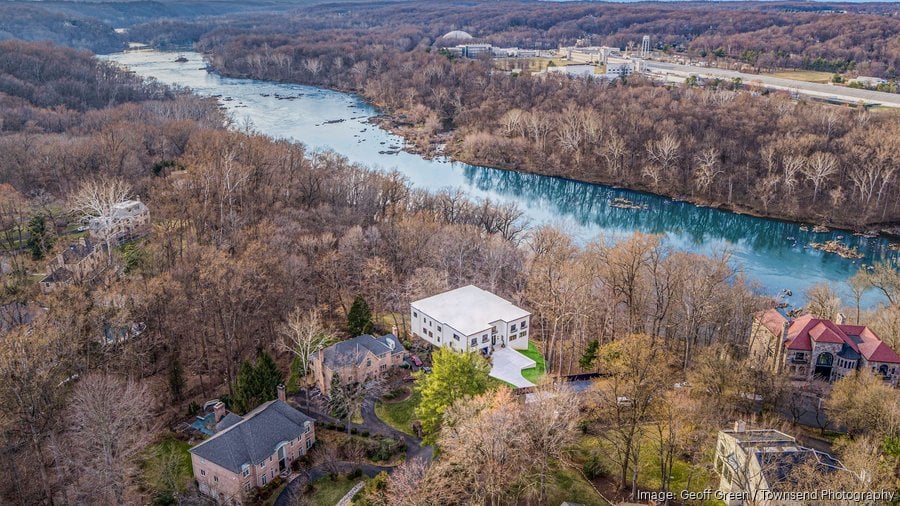
One reason buyers love Great Falls is the direct access to natural beauty. Great Falls Park is an 800-acre park about 15 miles from the Nation’s Capital, and the Potomac Heritage National Scenic Trail runs through it.
The trail experience here is scenic and active, not polished and paved. According to the National Park Service, Great Falls Park has 15 miles of hiking trails, with some open to biking and horseback riding, and there are no paved trails in the park.
Trail surfaces are generally packed dirt and gravel, and some sections can be steep, rocky, muddy, or flood-prone. If you love woods, river views, birding, and rugged outdoor access, that is part of the appeal.
The Potomac itself is also more dramatic than casual. The National Park Service says whitewater boating in the park commonly ranges from Class II to Class VI, and swimming, wading, and tubing are not allowed.
So while water views and river access add major lifestyle value, this is not a beach-style waterfront environment. It is better understood as a scenic and high-energy natural setting.
Park Traffic Is Part of the Lifestyle
Acreage living near exceptional public land comes with tradeoffs. Great Falls Park is a major regional destination, and the National Park Service notes that weekend parking is often at a premium during the spring, summer, and fall.
That activity can shape your experience of the area. Depending on where a property sits, park traffic, visitors, and trail use may affect access patterns, privacy, or the feel of nearby roads on peak days.
The trail network also extends beyond one park. Fairfax County says Riverbend Park has over 10 miles of trails, and the Cross County Trail stretches 41.5 miles from Great Falls to Lorton, creating broad recreational connectivity across the county.
For many buyers, that access is a huge positive. The key is understanding that you are not just buying private land. You are also buying into a landscape shared with active public recreation.
Is Great Falls Acreage the Right Fit?
Great Falls acreage living tends to work best if you value privacy, open space, and a stronger connection to the outdoors. It can also be appealing if you want room for approved equestrian or hobby uses and you are comfortable managing more property-related detail.
It may be a less natural fit if you want low-maintenance living, easy walkability, or a simple lock-and-leave routine. Homes here can be exceptional, but the lifestyle is rarely hands-off.
The smartest buyers usually succeed by going in with clear eyes. When you understand well and septic responsibilities, land constraints, animal rules, road patterns, and park activity upfront, you are in a much better position to choose the right property with confidence.
If you are weighing acreage living in Great Falls and want practical guidance tailored to how you actually live, Falcone Real can help you evaluate the property, the land, and the tradeoffs so you can move forward with clarity.
FAQs
What does acreage living in Great Falls usually mean?
- Acreage living in Great Falls usually means large-lot residential property in a low-density setting, with more privacy and open space but often a more car-oriented daily routine.
What should you check about utilities on a Great Falls acreage property?
- You should confirm whether the home uses public water and sewer or a private well and septic system, and review testing, permits, and maintenance history when those private systems are in place.
What land issues matter most when buying acreage in Great Falls?
- The most important land issues often include drainage, topography, tree coverage, stream-valley or conservation easements, and whether parts of the property have limits on clearing or improvements.
Can you keep horses or chickens on acreage in Great Falls?
- Possibly, but you need to verify Fairfax County rules on lot size, animal density, and structures, and also confirm whether any HOA rules are more restrictive.
What is recreation like near acreage homes in Great Falls?
- Recreation is one of the area’s biggest strengths, with access to Great Falls Park, Riverbend Park, riding areas, and connected trail systems, but trails can be rugged and peak weekend activity is part of local life.
Is Great Falls acreage living low maintenance?
- No. Great Falls acreage living can offer a special lifestyle, but it usually requires more attention to land management, private systems, access, and ongoing property upkeep than a smaller-lot neighborhood home.